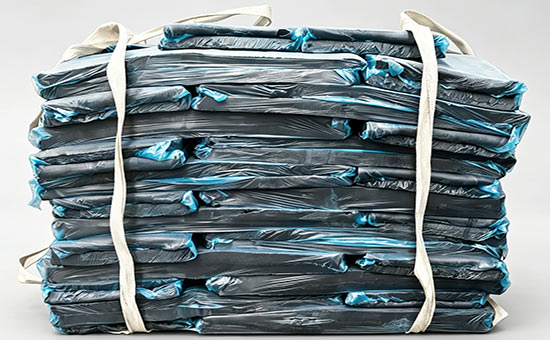
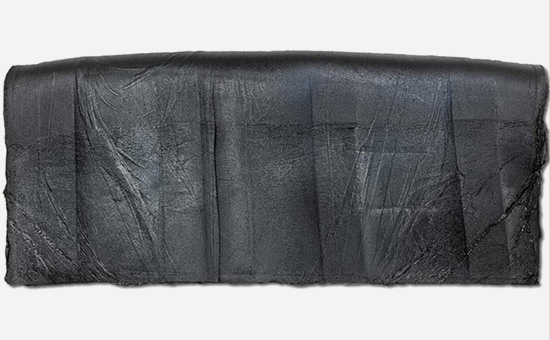
Chloroprene reclaimed rubber is mainly processed from cable sheaths (with some tire tread rubber added). It has certain weather resistance, ozone resistance, and oil resistance, and can be used to produce rubber products such as rubber sheets, seals, strips, hoses, and miscellaneous parts. When making rubber products with chloroprene reclaimed rubber, using it together with other rubbers in the right proportion can further improve the overall performance of the rubber products and reduce production costs.
1. Using chloroprene reclaimed rubber with chloroprene rubber
Chloroprene rubber is made by α-polymerization of chloroprene and is a relatively expensive special synthetic rubber. Chloroprene reclaimed rubber retains the basic performance characteristics of chloroprene rubber and can replace raw rubber to reduce production costs of chloroprene rubber products. In practice, chloroprene reclaimed rubber can be used with chloroprene rubber in any proportion. It has good plasticity and disperses more easily with raw rubber and compounding agents, shortens mixing time, reduces energy consumption, and can improve processing performance in later operations such as calendering and extrusion.
2. Using chloroprene reclaimed rubber with nitrile rubber
Nitrile rubber is polymerized from butadiene and acrylonitrile and is an ideal material for oil-resistant rubber products. Chloroprene reclaimed rubber can be used with nitrile rubber to produce rubber products that require some oil resistance, ozone resistance, and weather resistance, while reducing costs. Nitrile rubber improves the oil resistance of the blend, and chloroprene reclaimed rubber helps maintain ozone and weather resistance. In practice, the compatibility among nitrile rubber and chloroprene reclaimed rubber depends on the acrylonitrile content of the nitrile rubber and the blending ratio. When chloroprene reclaimed rubber is the main raw material, the amount of nitrile rubber should be controlled within an appropriate range so that the blend maintains both oil resistance and the original properties of the chloroprene system.
3. Using chloroprene reclaimed rubber with natural rubber
The main component of natural rubber is rubber hydrocarbon, which has good elasticity and high strength but poor oil and aging resistance. Using chloroprene reclaimed rubber with natural rubber can improve the processing performance of natural rubber and the aging resistance of the finished product, while positively affecting adhesion, flex resistance, and tear resistance. When natural rubber is moderately used in products with chloroprene reclaimed rubber as the main material, it effectively improves product elasticity and strength. However, when using magnesium oxide with chloroprene reclaimed rubber, it can affect the scorch behavior of natural rubber. When the proportion of natural rubber in a blend is high, it’s better to pre-make it into masterbatch gum before mixing with chloroprene reclaimed rubber for better dispersion.
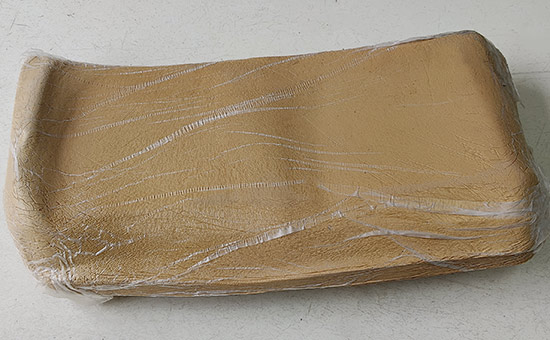
Chloroprene reclaimed rubber can also be blended with styrene-butadiene rubber, polybutadiene rubber, and others. Blending with styrene-butadiene rubber balances cost and processing performance, while blending with polybutadiene rubber can improve elasticity, wear resistance, and extrusion and calendering performance.
When using chloroprene reclaimed rubber in rubber products, the key to blending with other rubbers isn’t whether it can mix, but whether the blend can form a stable processing window and produce vulcanized rubber that meets product specifications. When designing formulas for products combining chloroprene reclaimed rubber with other rubbers, choose the blend based on requirements for oil resistance, weather resistance, wear resistance, elasticity, permanent compression set, and cost, and then gradually adjust the ratios and vulcanization system through small-scale trials.
Exclusive original article [commercial authorization] reprint, excerpt and excerpt in any form are prohibited without written authorization. Focus on Hongyun rubber: learn the process formula and raw material technology of producing rubber products from recycled rubber to help you reduce costs and increase profits