Knowledge
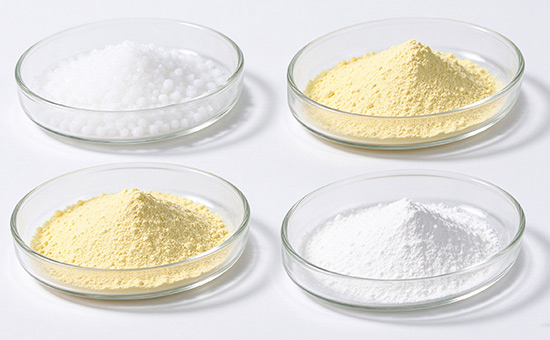 There are three main types of accelerators commonly used in recycled rubber products: thiazoles, sulfenamides, and CBS types. Accelerators of the same series have similar performance, but their actual applicati…
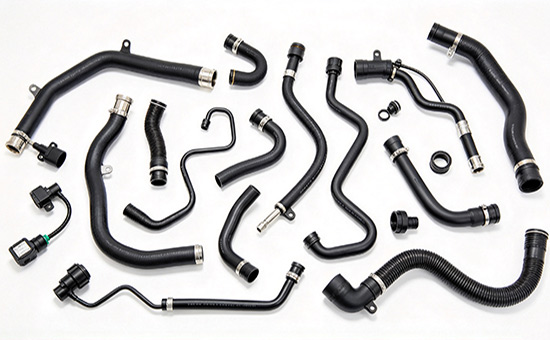 Car radiator hoses are generally made mainly from EPDM rubber. Recycled EPDM still retains the basic performance characteristics of the original rubber and can replace part of the original rubber in making radi…
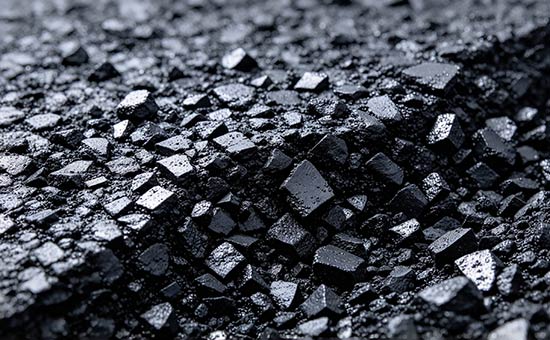 When recycled rubber powder made from old rubber products is used for asphalt modification, the modification effect is not only related to the amount of rubber powder added, but also affected by the quality and…
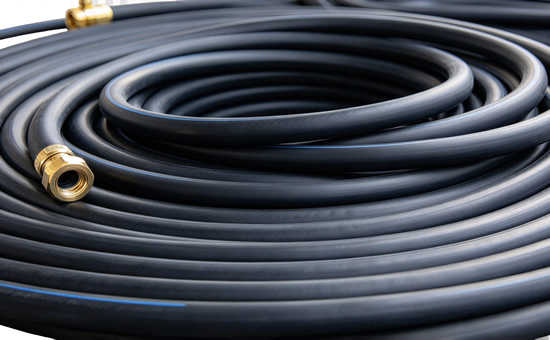 Recycled latex rubber has good elasticity, plasticity, and processing adaptability, and it can be used together with natural rubber to make rubber hoses, reducing raw material costs while improving the processi…
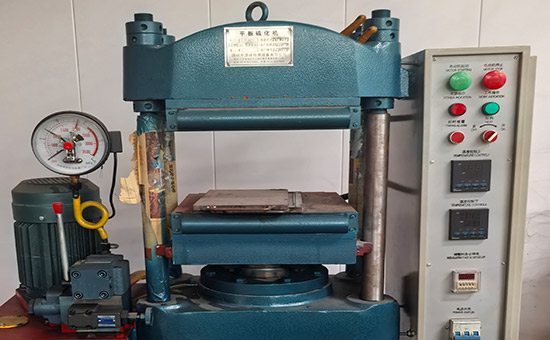 Vulcanizing recycled rubber isn't all about speed; you need to consider the type of rubber, its activity, scorch safety, modulus, processing conditions, and the physical and mechanical performance requirem…
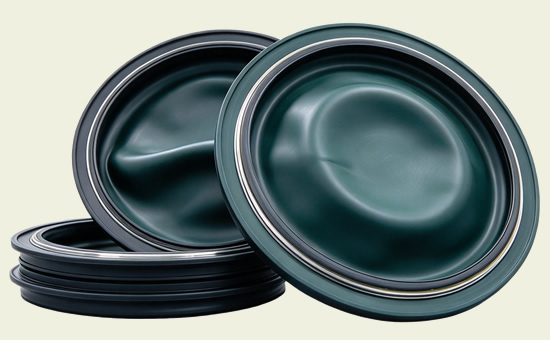 Oil-resistant rubber diaphragm manufacturers are facing raw material cost pressures, and many rubber products companies are starting to consider adding recycled nitrile rubber to their formulations. So, can rec…
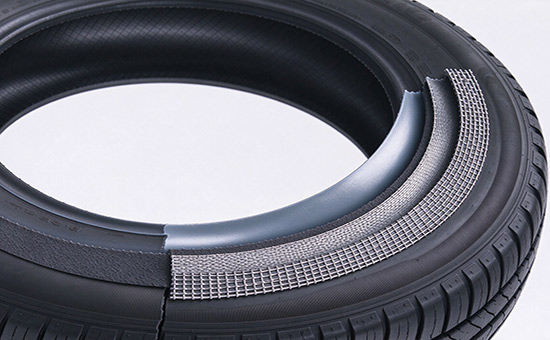 Reclaimed tire rubber isn't suitable for all parts of a tire. The tire's speed, load capacity, operating temperature, and requirements for wear resistance, tear resistance, and fatigue resistance all …
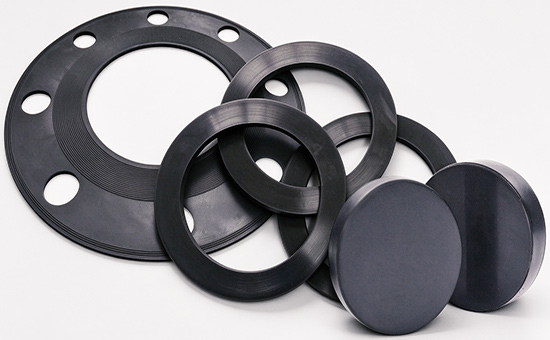 Can recycled rubber, as a product of desulfurizing and regenerating waste rubber, be used in making heat-resistant rubber products? How do you design a formula for heat-resistant recycled rubber products?
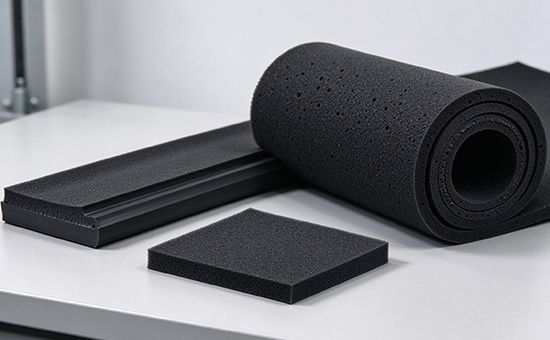 EPDM recycled rubber has good resistance to high and low temperatures, ozone, aging, and weathering. It can be used on its own or together with EPDM rubber to produce sponge rubber products, effectively reducin…
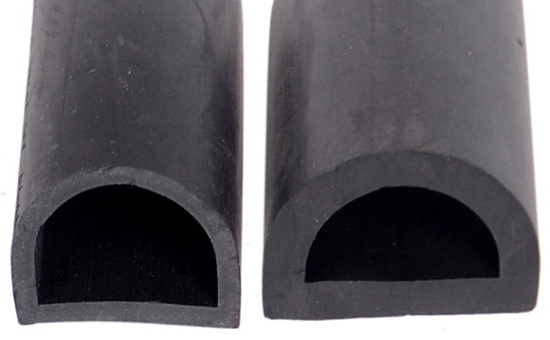 Sponge rubber fenders not only need to have a certain level of elasticity and compressive deformation ability, but also have to withstand repeated impacts, long-term compression, humid environments, and outdoor…
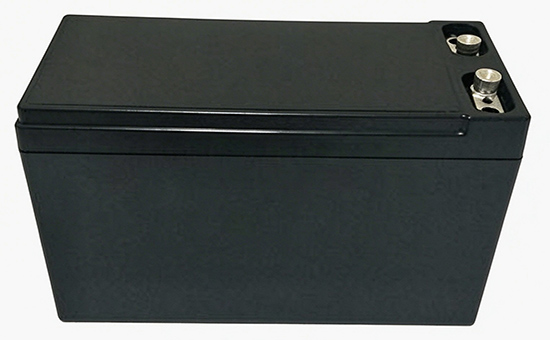 Recycled tire rubber is made from waste tire powder. It works well with diene rubbers and can replace some virgin rubber to make various hard rubber products, effectively cutting material costs, like battery tr…
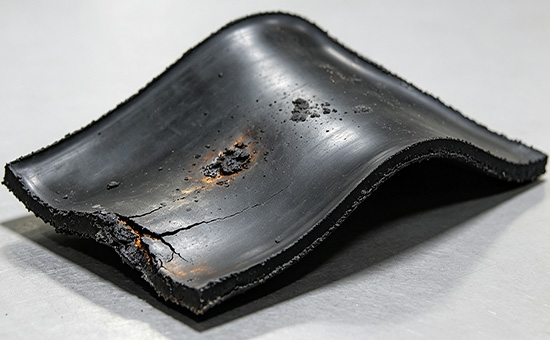 When making rubber products with recycled rubber, the formulation is super important. But when designing a formula for recycled rubber products, you can't just focus on hardness, tensile strength, and cost…
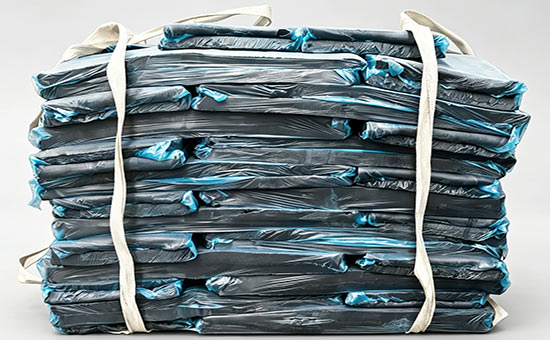 Chloroprene reclaimed rubber has certain weather, ozone, and oil resistance, and can be used in the production of rubber products like rubber sheets, seals, strips, hoses, and miscellaneous parts. When used wit…
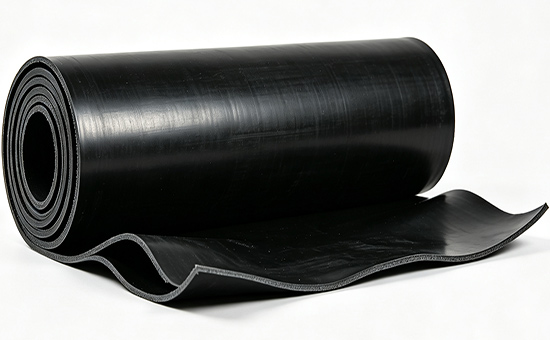 The physical properties of regenerated butyl rubber and the proportion used both affect the performance of anticorrosive linings. So, what kind of regenerated butyl rubber is suitable for rubber anticorrosive l…
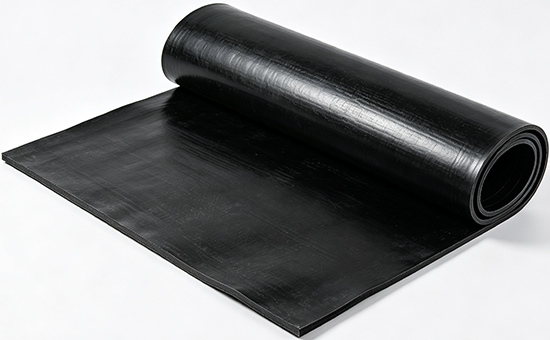 Rubber sheets that have special requirements like heat resistance, ozone resistance, and weather resistance are mostly made from EPDM as the main raw material, and the price of the raw rubber directly affects t…
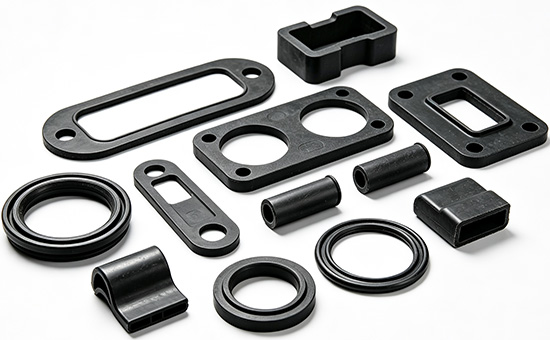 Natural latex regenerate rubber retains the basic properties of natural rubber and can replace expensive natural rubber to produce various rubber products. It effectively reduces raw material costs while ensuri…
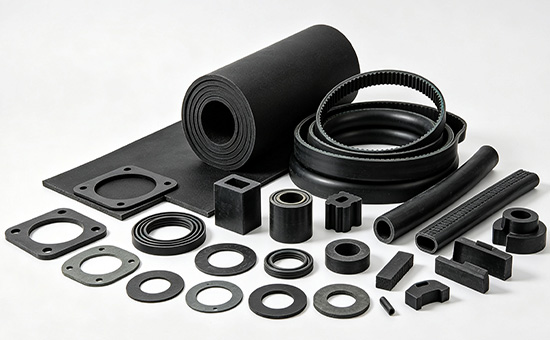 The type of rubber in reclaimed rubber, its rubber content, Mooney viscosity, plasticity, impurity levels, and degree of softening all affect the final rubber's performance. When designing a formula for re…
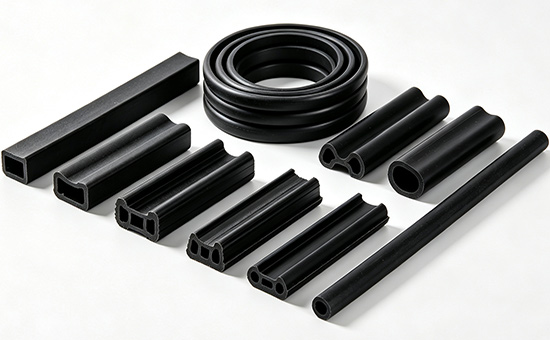 When using recycled rubber to reduce the production cost of seals, more isn’t always better. The amount of recycled rubber used should be determined based on the seal’s environment, cross-sectional structur…
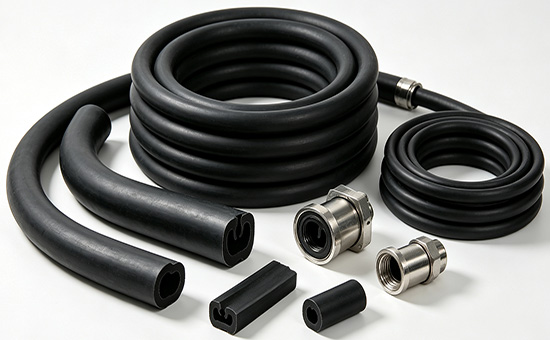 Nitrile recycled rubber has good resistance to mineral oil and fuel oil. Can it replace virgin nitrile rubber for making oil-resistant hoses? How should nitrile recycled rubber be properly chosen for oil-resist…
 EPDM recycled rubber can be used on its own or combined with EPDM rubber to produce rubber seals, reducing raw material costs. So why are more and more rubber seal manufacturers starting to use EPDM recycled ru…