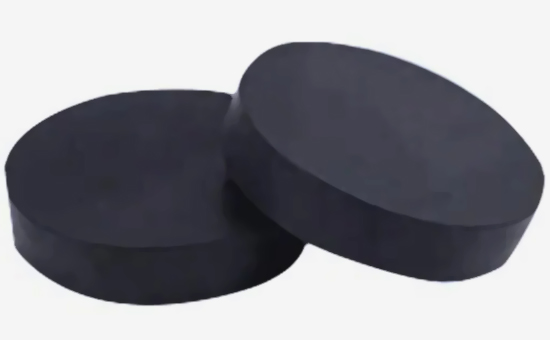
The main function of bridge rubber bearings is to bear and transmit the load of the span beam and to accommodate displacements, torsion, and other changes caused by load variations, temperature changes, and other factors. Compared with other types of bridge bearings, they have the advantages of simple structure, easy installation, reliable performance, and long service life. Natural rubber has high mechanical strength, good elasticity, low creep, excellent fatigue resistance, and outstanding cold resistance, making it an ideal raw material for producing bridge rubber bearings. However, natural rubber is expensive and its price fluctuates. What rubber raw materials can partially replace natural rubber?
1. Secondary-grade natural rubber
Secondary-grade natural rubber is a by-product from the processing of natural rubber, which arises due to raw material fluctuations, deviations in production processes, equipment malfunctions, and other factors, resulting in slight color and specification deficiencies. Essentially, it is still natural rubber and retains the basic performance characteristics of natural rubber, including high strength, good elasticity, and excellent wear resistance. It can replace natural rubber in the production of bridge rubber bearings, effectively reducing raw rubber costs while ensuring the finished product's performance.
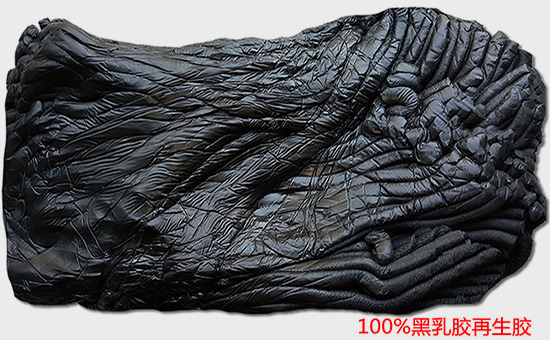
2. Black latex reclaimed rubber
Black natural latex reclaimed rubber is made from mixed-color waste natural rubber, waste latex, and their products as raw materials. It is produced through processes such as sorting, crushing, and desulfurization. It has a high content of effective rubber hydrocarbons and features E5LYY710 good hand feel and elasticity, high tensile strength, high elongation at break, and low density. It is highly compatible with natural rubber and can be used together with natural rubber to produce bridge rubber bearings, reducing costs. Under the same specifications, the price of black latex reclaimed rubber is lower than that of white latex reclaimed rubber, so it is recommended to use black latex reclaimed rubber in bridge bearings.
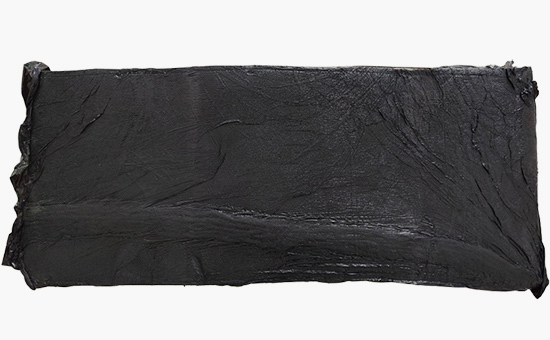
3. High-strength tire reclaimed rubber
High-strength tire reclaimed rubber is generally made from 900–1200 mesh waste tire tread rubber powder through crushing, desulfurization, refining, and other processes. It has high strength, good elasticity, wear resistance, and tear resistance, making it particularly advantageous in applications requiring high stress and friction. It is especially suitable for producing products requiring high tensile strength and wear resistance and can be used together with natural rubber in appropriate proportions to produce bridge bearings, further reducing raw material costs.
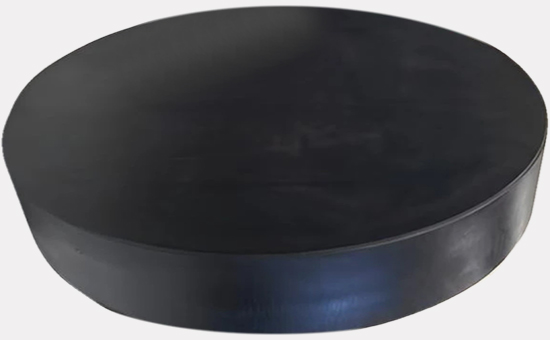
In actual production, using natural rubber as the main raw material for bridge rubber bearings while reasonably incorporating secondary-grade natural rubber, black latex reclaimed rubber, or high-strength tire reclaimed rubber can not only lower raw material costs but also improve the processing performance of the rubber. In the future, we will continue to share design techniques and production process key points for formulas combining natural rubber with low-cost rubber raw materials for bridge rubber bearings.
Exclusive original article [commercial authorization] reprint, excerpt and excerpt in any form are prohibited without written authorization. Focus on Hongyun rubber: learn the process formula and raw material technology of producing rubber products from recycled rubber to help you reduce costs and increase profits