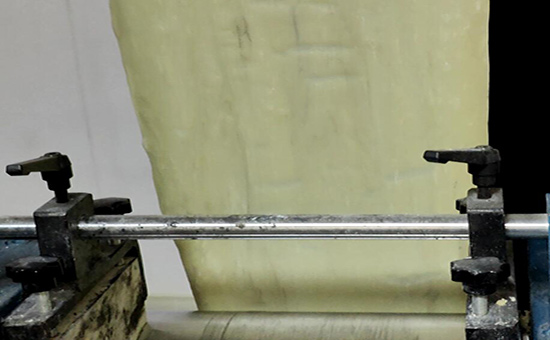
Secondary grade rubber refers to substandard products produced during the rubber manufacturing process. Although their performance is slightly lower than that of the standard rubber of the same grade, their lower price makes them suitable substitutes for high-priced standard rubber. Secondary natural rubber and secondary styrene-butadiene rubber are two common types of secondary rubber. In actual production, secondary natural rubber and secondary styrene-butadiene rubber each have their own strengths and weaknesses. Fully understanding the differences among the two allows for selecting a more suitable secondary rubber, which can reduce raw material costs while ensuring the performance of rubber products.
1. Differences among secondary natural rubber and secondary styrene-butadiene rubber
(1) Composition and structure: Secondary natural rubber consists of over 90% rubber hydrocarbons, with flexible molecular chains and a small amount of impurities such as proteins and fatty acids, offering good self-reinforcement. Secondary styrene-butadiene rubber is a copolymer of butadiene and styrene, with rigid molecular chains, poor self-reinforcement, and requires high-reinforcement fillers.
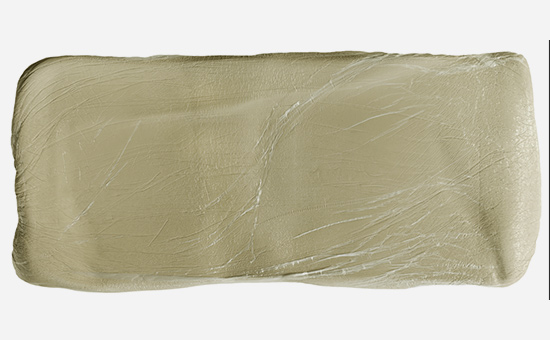
(2) Processing characteristics: Secondary natural rubber has good processing performance, bonds well with other materials, and can be used for producing rubber products of various complex shapes. Secondary styrene-butadiene rubber generates more heat during processing, requiring controlled processing temperatures and parameters, and needs additives such as carbon black and sulfur for vulcanization to achieve practical mechanical properties. It can also be blended with natural rubber to improve the processing performance of styrene-butadiene rubber.
(3) Physical properties: Secondary natural rubber has excellent elasticity, high tensile strength, high elongation at break, and wear resistance, allowing it to return to its original shape under large deformations, but it has weaker heat and aging resistance. Secondary styrene-butadiene rubber has lower hardness, better wear resistance than natural rubber, and good heat resistance, aging resistance, and chemical stability, but its elasticity and cold resistance are inferior.
2. Uses of secondary natural rubber and secondary styrene-butadiene rubber
(1) Applications of secondary natural rubber:

It is suitable for rubber products that require high elasticity and comfort, such as colored shoe soles, sponge rubber, shock-absorbing mats, etc.
(2) Applications of secondary styrene-butadiene rubber:
It is recommended for rubber products that require high wear resistance and aging resistance, such as automobile parts and industrial seals.
3. Combined use of natural rubber and styrene-butadiene rubber
Natural rubber and styrene-butadiene rubber can be used together in appropriate proportions to complement each other. Adding an appropriate amount of natural rubber to a styrene-butadiene rubber-dominant formulation can improve the elasticity and processing performance of the compound. Adding an appropriate amount of styrene-butadiene rubber to a natural rubber-dominant formulation can improve heat resistance, weather resistance, and aging resistance. The ratio of the two should be determined according to actual requirements.
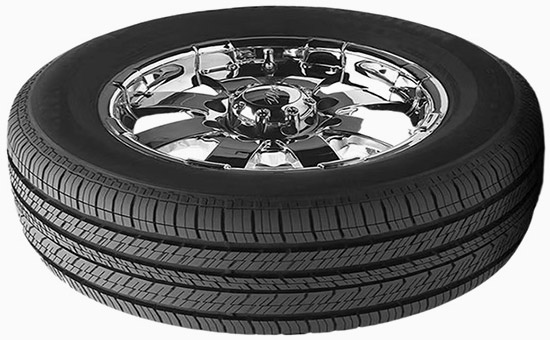
When producing rubber products using a combination of natural rubber and styrene-butadiene rubber: for products requiring high elasticity, the natural rubber/styrene-butadiene ratio can be 70/30 or 80/20; for products emphasizing wear resistance, the styrene-butadiene ratio can be increased, with a natural rubber/styrene-butadiene ratio of 30/70 or 20/80; for products needing both elasticity and wear resistance, a ratio of 50/50 or 60/40 is suitable.
In actual production, secondary natural rubber and secondary styrene-butadiene rubber can generally replace part of standard natural rubber or genuine styrene-butadiene rubber at a 1:1 ratio. Slightly increasing the total amount of secondary rubber can reduce raw material costs while ensuring the performance of rubber products.
Exclusive original article [commercial authorization] reprint, excerpt and excerpt in any form are prohibited without written authorization. Focus on Hongyun rubber: learn the process formula and raw material technology of producing rubber products from recycled rubber to help you reduce costs and increase profits