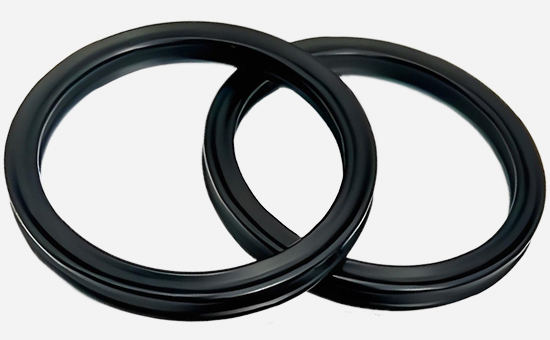
Many rubber products need to be in contact with oil substances for a long time during use, and the oil penetrates into the rubber to make it swell, resulting in a decrease in rubber strength and other mechanical properties, so the rubber material is required to have good oil resistance, generally use oil-resistant rubber such as nitrile rubber; The rational use of recycled rubber (oil-resistant nitrile recycled rubber) in the formulation of oil-resistant rubber products can effectively reduce the cost of raw materials. When using recycled rubber to produce oil-resistant rubber products, reasonable selection of compounds can further improve the oil resistance of the finished product while reducing costs.
1. Selection skills of recycled rubber oil-resistant rubber vulcanization system compound
Among the recycled rubber products, nitrile recycled rubber has excellent oil resistance. When using nitrile recycled rubber to prepare oil-resistant compounds, the type of vulcanized cross-linked bonds directly affects the oil resistance of the rubber.
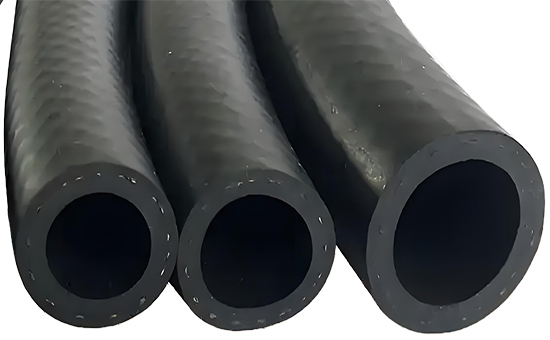
When using nitrile recycled rubber to prepare oil-resistant rubber used in oxidizing fuel, the recycled rubber vulcanized by peroxide or semi-effective vulcanization system vulcanized has better oil resistance than sulfur vulcanization. Nitrile butadiene compound with cadmium oxide oxide and sulfide feeder system E5LYY79 vulcanized nitrile compound had good long-term hot oil aging performance in oxidized fuel at 125°C. In mineral oil at 150°C, the use of cadmium oxide/sulfide sulfide vulcanization is better than other vulcanization systems of nitrile rubber vulcanized, and the aging performance of heat-resistant oil is better. It is recommended to use a vulcanization system of DCP and a small amount of sulfur for the preparation of low-temperature oil-resistant products with nitrile recycled rubber.
In actual production, appropriately increasing the cross-linking density can also improve the oil resistance of recycled rubber vulcanized rubber.
2. Selection skills of recycled rubber and oil-resistant rubber reinforcement filling system compound
In the preparation of recycled rubber and oil-resistant rubber, increasing the amount of filler can reduce the volume fraction of rubber in the rubber and improve the oil resistance. The stronger the bond among the more active filler (such as carbon black and silica) and the rubber, the less the volume swelling of the vulcanized glue.
3. Selection skills of recycled rubber oil-resistant rubber softening and plasticizing system compounds
In the formulation of recycled rubber and oil-resistant adhesives, it is recommended to choose softening plasticizers with large molecular weight, low volatility and are not easy to be extracted by oils, such as low-molecular-weight polymers, such as low-molecular-weight polyolefins, oxidized polyethylene, coumarone, polyester plasticizers and liquid rubber. Softeners or plasticizers with high polarity and relative molecular weight are beneficial for oil resistance, while esters are easily extracted by fuel.
4. Selection skills of recycled rubber, oil-resistant rubber, anti-aging system, and compound
When choosing the anti-aging system compound for recycled rubber and oil-resistant adhesive, the problem of thermal and oxygen aging must be considered; The stability of the anti-aging agent in oil-resistant rubber is very important, and the extraction of the anti-aging agent is equivalent to the failure of the anti-aging agent. It is recommended to choose anti-aging agents with low solubility in oil.

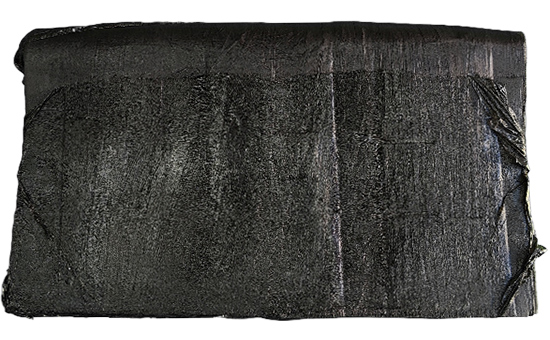
When preparing oil-resistant adhesives, the variety and dosage of recycled adhesives and compounds directly determine the oil resistance of the rubber. 75% oil-resistant nitrile recycled rubber is made of high-grade rubber products as the main raw material through 80 mesh crushing, desulfurization, filtration and refining, the product has a large oil resistance coefficient, good feel elasticity, high fineness, no impurities, smooth and bright surface of the product, high plasticity, good wear resistance, good aging resistance, and can significantly reduce the cost of raw materials and production costs by replacing nitrile raw rubber in whole or in part.
Exclusive original article [commercial authorization] reprint, excerpt and excerpt in any form are prohibited without written authorization. Focus on Hongyun rubber: learn the process formula and raw material technology of producing rubber products from recycled rubber to help you reduce costs and increase profits