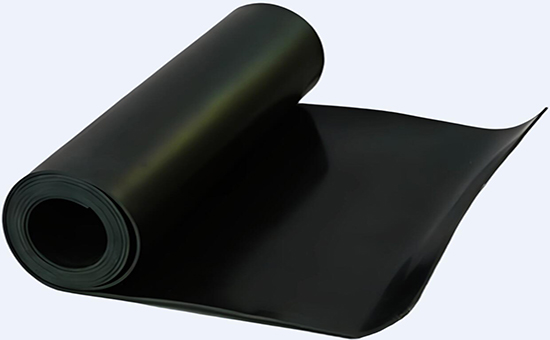
Oil-resistant and wear-resistant rubber plates are widely used in machinery manufacturing, petrochemical, mining and metallurgy and other fields, and the oil resistance and wear resistance of rubber are put forward at the same time. However, the cost of using high-priced nitrile rubber to produce oil-resistant and wear-resistant rubber plates is too high, and it is difficult to win in the fierce market competition; Can the recycled nitrile rubber processed from waste nitrile rubber and its products replace the original nitrile rubber to produce oil-resistant and wear-resistant rubber plates, and how much is appropriate?
1. Feasibility analysis of the production of low-cost oil-resistant and wear-resistant rubber plates of nitrile recycled rubber
(1) Performance characteristics of nitrile recycled rubber: Nitrile recycled rubber is made from waste nitrile rubber products such as nitrile gloves, which are made by crushing, desulfurization, refining and other processes, retaining the core structure of nitrile rubber, and the polar nitrile group can effectively block the penetration of non-polar oil molecules, and has good resistance to mineral oil, animal and vegetable oil, liquid fuel, etc.; Nitrile recycled rubber also has good wear resistance, which can meet the basic needs of oil-resistant and wear-resistant rubber plates, and can replace nitrile original rubber to produce oil-resistant and wear-resistant rubber plates.
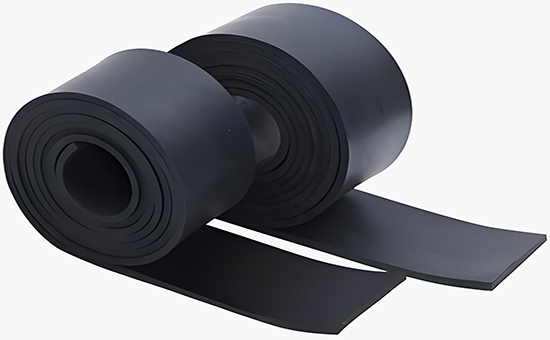
(2) Compatibility among nitrile recycled rubber and original rubber: Nitrile recycled rubber retains the basic chemical structure and polar characteristics of nitrile original rubber, and has a high degree of molecular compatibility with nitrile rubber, and can be used in any ratio.
(3) The price of nitrile recycled rubber: the price of NBR recycled rubber is much lower than that of nitrile rubber, usually 30% to 50% of the original rubber, replacing a certain proportion of nitrile rubber to produce oil-resistant and wear-resistant rubber plates can effectively reduce the cost of raw materials; Compared with nitrile original rubber, nitrile recycled rubber has higher plasticity, better fluidity, and better processing performance than raw rubber, which can reduce production energy consumption.
2. How much nitrile recycled adhesive is suitable for the production of oil-resistant and wear-resistant rubber board?
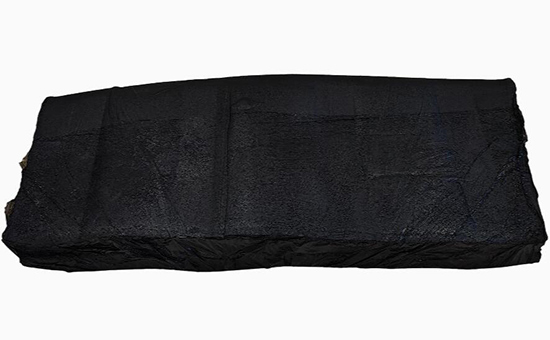
High-end oil-resistant and wear-resistant rubber plates require high requirements for the physical and mechanical properties and durability of the rubber material, and the mixing ratio of nitrile recycled rubber is controlled at 20% to 30% E5LYY1120 it is more appropriate. The performance requirements of the mid-end oil-resistant and wear-resistant rubber board are moderate, and the proportion of NBR recycled rubber is about 50%, which effectively reduces the cost of raw materials. The low-end oil-resistant and wear-resistant rubber board has low requirements for physical and mechanical properties, and the mixing ratio of nitrile recycled rubber can reach more than 70%, and some products can completely use nitrile recycled rubber.
When using nitrile recycled rubber to reduce the production cost of oil-resistant and wear-resistant rubber boards, the proportion of recycled rubber needs to be determined according to the specific needs of the rubber board. If necessary, it can be used in combination with PVC or neoprene to further improve oil resistance and dimensional stability, especially suitable for high-fill oil-resistant and wear-resistant rubber plates.
3. Completely use nitrile recycled rubber to produce oil-resistant and wear-resistant rubber plate vulcanization formula
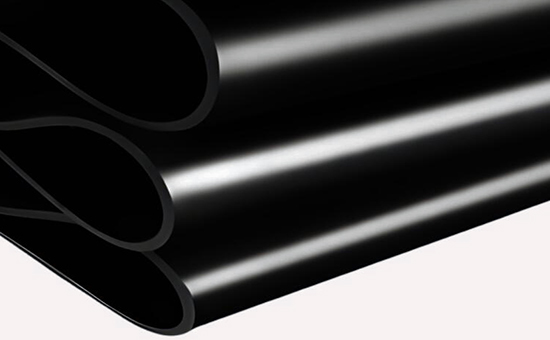
Nitrile recycled rubber 100 parts, zinc oxide 3.2 parts, stearic acid 2 parts, anti-aging agent RD 1 part, paraffin wax 1.5 parts, carbon black N330 20 parts, light calcium carbonate 40 parts, dibutyl phthalate 20 parts, accelerator CZ 0.5 parts, accelerator M 0.4 parts, accelerator TMTD 0.2 parts, sulfur 1.2 parts, anti-scorching agent 1 part; A total of 191 copies.
When using nitrile recycled rubber as the main raw material to produce oil-resistant and wear-resistant rubber board, sulfur is the most commonly used vulcanizing agent, high wear-resistant carbon black has a significant effect on improving the wear resistance and tensile strength of nitrile recycled rubber plate, and dibutyl phthalate DBP can effectively reduce the viscosity of the rubber and improve the processing fluidity. Reasonable design of oil-resistant and wear-resistant adhesive plate formulation containing nitrile recycled rubber can further improve the comprehensive index of the finished product while reducing costs.
Exclusive original article [commercial authorization] reprint, excerpt and excerpt in any form are prohibited without written authorization. Focus on Hongyun rubber: learn the process formula and raw material technology of producing rubber products from recycled rubber to help you reduce costs and increase profits