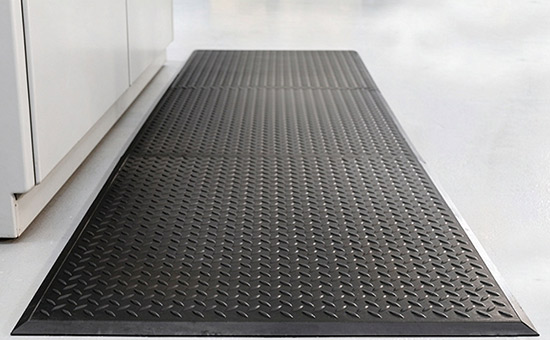
Ordinary black oil-resistant rubber floor mats are mainly used for anti-slip and fatigue-resistant laying in oily environments, generally processed primarily from nitrile rubber, which is relatively costly. Nitrile reclaimed rubber is made from nitrile machine head rubber, subsidiary brand nitrile rubber, or used nitrile gloves, retaining the basic performance characteristics of nitrile rubber, with a high oil resistance coefficient and much lower price than NBR rubber. It can fully or partially replace nitrile rubber in producing black oil-resistant mats, reducing raw material costs. When rubber product manufacturers use reclaimed nitrile rubber to reduce production costs, they must consider the following issues.
1. Tips for choosing nitrile reclaimed rubber for black oil-resistant floor mats
Ordinary oil-resistant rubber gaskets require long-term contact with oil stains during operation, requiring the compound to have excellent oil resistance. When choosing nitrile reclaimed rubber, indicators should be determined based on the specific usage environment: it is recommended to prioritize nitrile reclaimed rubber with an acrylonitrile content above 33%, as it offers better oil resistance; Mooney viscosity ML(1+4) at 100°C is among 45-65, making it easy to process; Filtration above 60 mesh means few impurities; Finally, consider batch stability and product price.
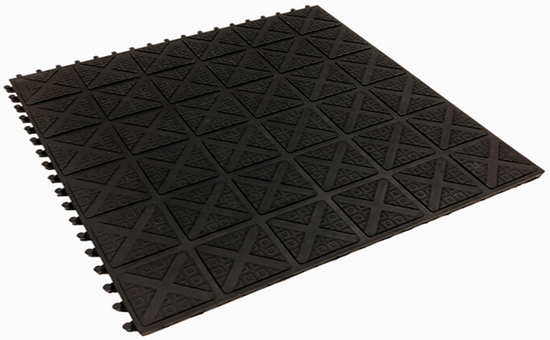
The oil resistance grade of reclaimed nitrile rubber is basically positively correlated with its price. From a cost perspective, for maintenance stations with intermittent contact with lubricating oil and hydraulic oil, stable and cost-effective nitrile reclaimed rubber can be chosen; For areas with long-term oil exposure and frequent cleaning, oil resistance requirements should be increased, and if necessary, a certain proportion of virgin nitrile rubber should be used to improve the overall performance of the product. It should be noted that different oils have varying effects on rubber, so relevant oil immersion tests are required.
2. Key points for formula design for producing black oil-resistant floor mats made from nitrile reclaimed rubber
When producing oil-resistant mats using nitrile reclaimed rubber or nitrile rubber/reclaimed rubber together, the formulation design should balance oil resistance, wear resistance, elasticity, and processability: it is recommended to use carbon black reinforcement E6LYY7825, choosing appropriate types and amounts based on the thickness, hardness, and wear resistance requirements of the mat; The softening system should use softening plasticizers with high molecular weight, low volatility, and difficulty in oil extraction, such as low-molecular-weight polyethylene, coumaron, polyester plasticizers, etc., to avoid increasing volume changes after oil immersion; The vulcanization system is adjusted according to the actual vulcanization characteristics of nitrile reclaimed rubber, controlling the degree of crosslinking to maintain the necessary hardness, elasticity, and deformation resistance of oil-resistant mats.
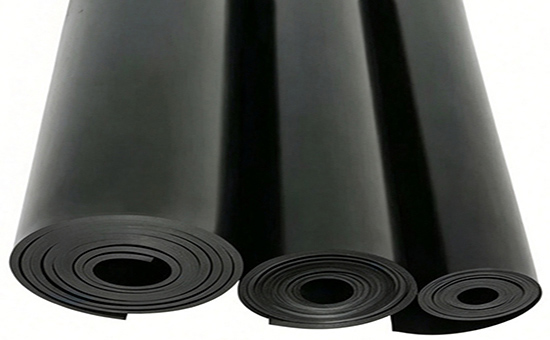
3. Key points for processing black oil-resistant floor mats produced from nitrile reclaimed rubber
(1) Mixing process
When producing oil-resistant rubber floor mats mainly from nitrile reclaimed rubber, mixing uniformity directly affects product quality. Strictly control roller temperature, feeding sequence, and discharge temperature during mixing; The temperature of the front roller of the opening mill is 5-10°C lower than that of the rear roller, maintaining 35-50°C to reduce heat generation, using the pre-roller of reclaimed rubber as the standard; The recommended discharge temperature for the internal mixer is below 130°C to prevent burning; During mixing, activators such as zinc oxide and stearic acid are added first, followed by anti-aging agents, reinforcing agents, fillers, and rubber oil. Carbon black can be added first, followed by rubber oil, and finally sulfur and accelerators.
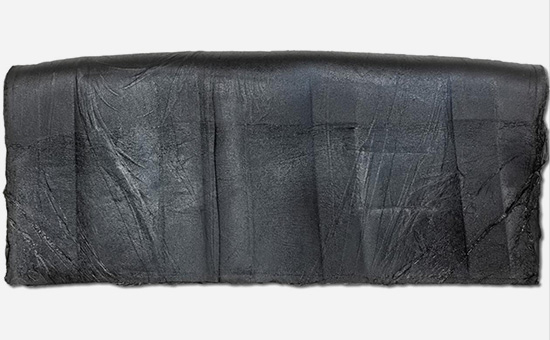
When producing oil-resistant floor mats using nitrile reclaimed rubber and nitrile rubber, it is recommended to plasticize the base rubber first, then mix with nitrile reclaimed rubber after thorough plasticization; Appropriately increasing the mixing temperature facilitates plastic flow and uniform powder mixing.
(2) Vulcanization process
Nitrile reclaimed rubber oil-resistant floor mats can be made using molded or continuous calendering vulcanization processes, chosen according to production equipment conditions. During production of oil-resistant reclaimed rubber flooring mats made by molded vulcanization, attention must be paid to mold venting, pressure, and vulcanization time to avoid bubbles, glue shortages, and surface defects; Maintenance station mats with anti-slip patterns should also ensure clear patterns and uniform thickness to prevent local thinning from affecting service life; Vulcanization temperature is generally 140-200°C, pressure 1.4-3.4MPa.
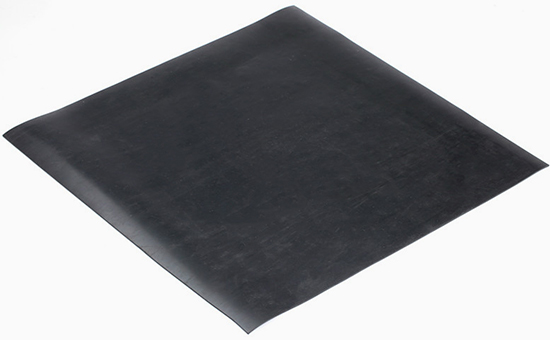
When oil-resistant rubber floor mats are used in nitrile reclaimed rubber production workshops, equipment maintenance stations, and machining areas, the finished product quality needs to be tested according to the operating environment. Oil resistance can be tested through oil immersion tests under specified conditions to check changes in quality, volume, hardness, and tensile properties before and after soaking; Wear resistance is evaluated based on the actual conditions of the mat being subjected to personnel movement, tool drag, and equipment maintenance activities.
Using nitrile reclaimed rubber for black oil-resistant floor mats to reduce costs requires reasonable choose of nitrile reclaimed rubber, with appropriate adjustments to production formulas and process parameters to reduce raw material costs while maintaining product performance.
Exclusive original article [commercial authorization] reprint, excerpt and excerpt in any form are prohibited without written authorization. Focus on Hongyun rubber: learn the process formula and raw material technology of producing rubber products from recycled rubber to help you reduce costs and increase profits