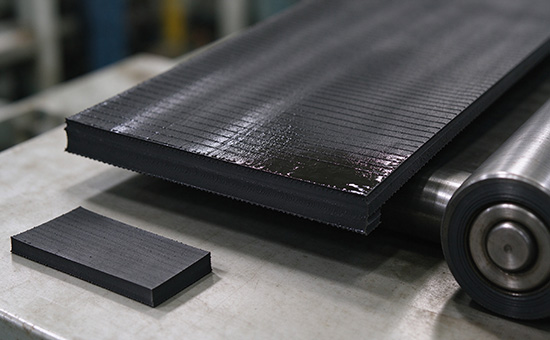
Oil-resistant rubber conveyor belt cover rubber, when in long-term contact with oil-based media, tends to swell, soften, change in hardness, and experience a decline in mechanical properties. It is generally made from nitrile rubber as the main raw material. Nitrile rubber is expensive, but nitrile reclaimed rubber retains the basic oil resistance of nitrile rubber and is much cheaper. Can it replace part of the nitrile rubber in producing oil-resistant conveyor belt cover rubber, reducing production costs while ensuring finished product oil resistance? What should we pay attention to?
1. Choosing nitrile reclaimed rubber for oil-resistant conveyor belt cover rubber based on oil resistance requirements
Nitrile reclaimed rubber is made from nitrile scrap, secondary grade nitrile, or used nitrile gloves, and its oil resistance depends on raw material source, acrylonitrile content, reclamation process, and residual rubber structure. When selecting nitrile reclaimed rubber for oil-resistant conveyor belt cover rubber, focus on the reclaimed rubber's oil resistance, tensile strength, elongation at break, hardness, Mooney viscosity, and batch stability. The higher the acrylonitrile content, the better the oil resistance of the nitrile reclaimed rubber; it's recommended to choose high-rubber-content nitrile reclaimed rubber with 36%-42% acrylonitrile content.
2. Key points in formulation design when using nitrile reclaimed rubber
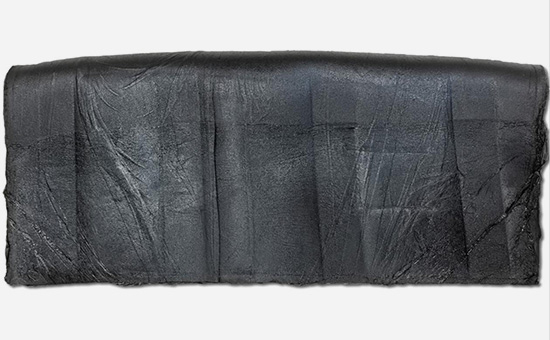
When producing oil-resistant conveyor belt cover rubber with a mix of nitrile rubber and nitrile reclaimed rubber, you can't just mechanically apply the pure nitrile rubber formula. The common sulfur-accelerator system should be adjusted by measuring scorch time, optimum vulcanization time E6LYY716, and the curing curve to properly adjust accelerators, sulfur, and other vulcanization components. Choose the type of carbon black according to target hardness and physical-mechanical performance; reasonable use of carbon black improves strength and wear resistance, but too much can increase compound viscosity, complicate mixing, and reduce elongation at break and dynamic performance. When choosing softeners, consider compatibility with nitrile rubber and avoid overuse of components easily extracted by oil.
3. Key points in processing when using nitrile reclaimed rubber
When nitrile reclaimed rubber is blended into oil-resistant conveyor belt cover rubber, the dispersion state of the reclaimed rubber and compound uniformity directly affect quality stability. When combining nitrile reclaimed and original nitrile rubber, pay attention to viscosity differences and adjust the mixing process if necessary to achieve proper compound uniformity. During mixing, determine feeding order and mixing time based on equipment type, loading capacity, and compound temperature rise to avoid local overheating or insufficient filler dispersion.
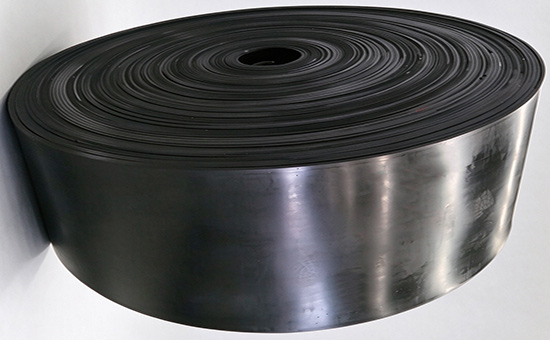
After mixing nitrile rubber/nitrile reclaimed rubber compounds, they should be cooled, rested, then filtered, calendered, or extruded as required. During calendering, control sheet thickness, surface quality, and dimensional stability to reduce bubbles, impurities, and uneven thickness. Changes in the amount of nitrile reclaimed rubber require rechecking compound flow, calendering process, and curing conditions. You can't just adjust the formula and ignore production parameters.
Using nitrile reclaimed rubber to reduce production costs of oil-resistant conveyor belt cover rubber hinges on the performance of the reclaimed rubber, formulation design, and processing technology. Combining cost calculation with oil resistance, wear resistance, and tear resistance ensures that the cost-saving potential of nitrile reclaimed rubber is realized without compromising product performance.
Exclusive original article [commercial authorization] reprint, excerpt and excerpt in any form are prohibited without written authorization. Focus on Hongyun rubber: learn the process formula and raw material technology of producing rubber products from recycled rubber to help you reduce costs and increase profits