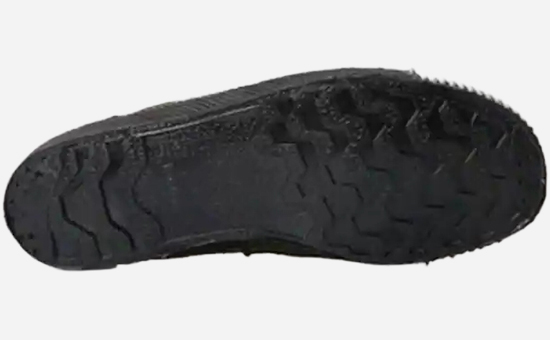
Oil-resistant rubber soles are processed from oil-resistant rubber, which is a kind of protective sole that can be used for a long time in an oily environment, generally processed with nitrile rubber as the main raw material, which can effectively resist dissolution, swelling or performance degradation caused by oil. Nitrile recycled rubber retains the basic performance characteristics of nitrile rubber and has excellent oil resistance, can it replace nitrile rubber to produce oil-resistant soles? How much is appropriate? What issues should be paid attention to during use?
1. Can nitrile recycled rubber be mixed with oil-resistant rubber soles?
The acrylonitrile content of nitrile recycled rubber directly determines the oil resistance of the rubber material, and it is recommended to use nitrile recycled rubber with medium and high acrylonitrile content in the oil-resistant rubber sole. It is recommended that the ash content of recycled rubber ≤ 8% and acetone extract ≤ 15% to avoid impurities affecting the vulcanization uniformity and oil resistance stability of nitrile recycled rubber. Mooney viscosity ML1+4 100°C was controlled at 45-65, Mooney viscosity was too high and difficult to mix, and too low affected the molding performance of oil-resistant soles.
In actual production, nitrile recycled rubber can be used with oil-resistant rubber such as nitrile rubber and neoprene rubber to produce oil-resistant soles and reduce raw material costs. If necessary, nitrile rubber, nitrile recycled rubber can be blended with PVC to prepare oil-resistant rubber and plastic soles to further improve the comprehensive performance of the finished product and reduce more costs.
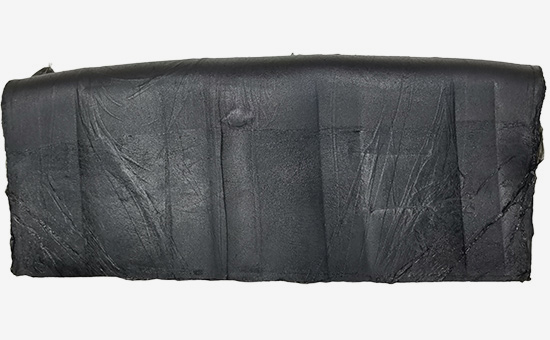
2. How much recycled rubber can be mixed into oil-resistant rubber soles
When using nitrile recycled rubber to reduce costs in oil-resistant rubber soles, the proportion of recycled rubber needs to be determined according to the NBR recycled rubber index itself and the specific needs of oil-resistant rubber soles. In high-performance oil-resistant rubber E5LYY73 soles, the dosage of nitrile recycled rubber generally does not exceed 30% of the total amount of rubber; When the performance requirements of oil-resistant rubber soles are moderate, 40%-60% nitrile recycled rubber can be mixed; If you want to reduce more costs, you can further increase the amount of nitrile recycled rubber, which is recommended to be no more than 70%.
3. Precautions for oil-resistant rubber soles mixed with nitrile recycled rubber
(1) Rubber formula adjustment
Nitrile recycled rubber contains incomplete vulcanization network fragments, which may play an activation or polymerization inhibition effect, affecting the vulcanization process, and the variety and dosage of vulcanization system compounding agents need to be appropriately adjusted. High wear furnace black (N330) or fast pressure furnace black (N550) to provide higher strength and better wear resistance for rubber soles; Recycled rubber has good plasticity, and directly adding plasticizers according to the new rubber formula will lead to problems such as excessive softening, insufficient strength, and sticking rollers.
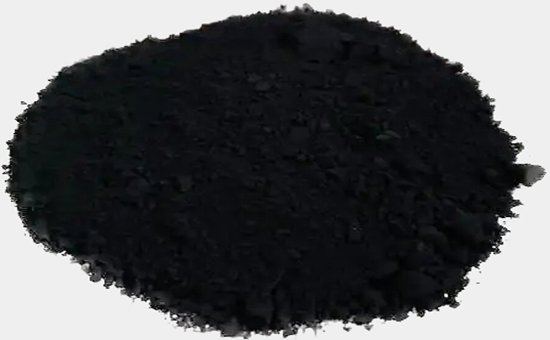
(2) Key points of mixing process
The viscosity of nitrile recycled rubber Mooney is different from that of nitrile rubber, it is recommended to adjust the feeding order, you can follow the principle of "soft first and then hard", first let the recycled rubber wrap roller, then add liquid additives (some plasticizers, anti-aging agents), and then gradually add powdered fillers (carbon black, fillers) after mixing evenly, and finally add vulcanizing agents at low temperatures. Control the mixing temperature and time to avoid excessive temperature causing plasticizer spraying or vulcanizing agent decomposition in the recycled rubber in advance.
(3) Key points of vulcanization process
When vulcanizing the oil-resistant sole of nitrile recycled glue, the preheating time can be appropriately extended before the plate vulcanizing machine is closed, or an exhaust hole can be opened on the mold to help discharge moisture and volatiles, and prevent bubbles and spongy defects in the finished product; Reasonably control the vulcanization time to avoid problems such as sulfur deficiency or persulfurization in oil-resistant rubber soles.
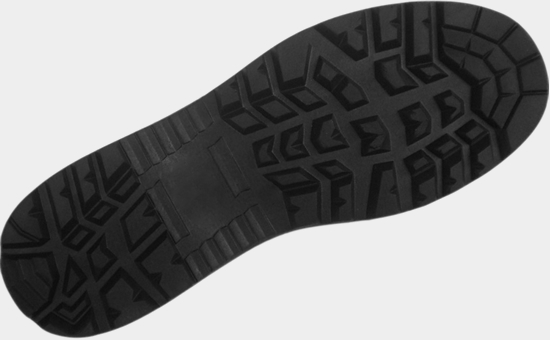
When using nitrile recycled rubber to reduce the production cost of oil-resistant rubber soles, rubber product manufacturers need to choose the appropriate nitrile recycled rubber according to actual needs, reasonably determine the mixing ratio of recycled rubber and appropriately adjust the rubber formula and production process parameters, so as to reduce more costs under the premise of ensuring the quality of finished products. In the future, I will share with you the low-cost vulcanization formula of nitrile recycled rubber to produce oil-resistant rubber soles.
Exclusive original article [commercial authorization] reprint, excerpt and excerpt in any form are prohibited without written authorization. Focus on Hongyun rubber: learn the process formula and raw material technology of producing rubber products from recycled rubber to help you reduce costs and increase profits