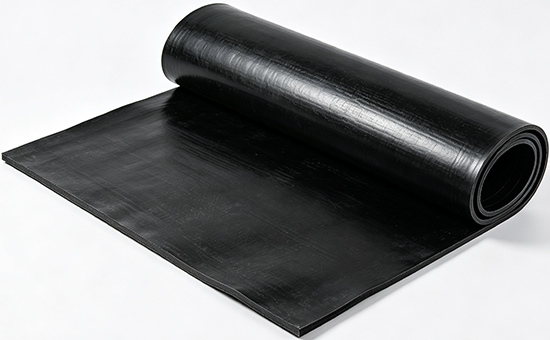
EPDM reclaimed rubber is made from EPDM die head rubber, unvulcanized EPDM rubber, and waste EPDM rubber products, mainly used to replace EPDM base rubber and reduce production costs. In actual production, rubber sheets with special requirements such as heat resistance, ozone resistance, and weather resistance are mostly made from EPDM rubber as the main raw material, and the price of the raw rubber directly affects formulation costs. Can reclaimed EPDM rubber be used in EPDM rubber sheets? What issues should be noted when producing rubber sheets with EPDM reclaimed rubber?
1. The physical properties of EPDM reclaimed rubber directly affect the basic performance of rubber sheets
Factors such as the source of raw materials, recycling process, and degree of refining of EPDM reclaimed rubber affect the physical property indicators of the reclaimed rubber. When choosing EPDM reclaimed rubber for rubber sheets, price alone should be considered. It is necessary to fully understand indicators such as Mooney viscosity, tensile strength, elongation at break, ash content, volatile matter, and batch stability. Choose the appropriate EPDM reclaimed rubber based on the specific requirements of the rubber sheet, and reasonably determine the dosage ratio.
When rubber sheets need to endure long-term exposure to high temperatures, ozone, or outdoor aging, it is recommended to choose reclaimed EPDM rubber with high rubber content, combining EPDM rubber and EPDM reclaimed rubber to balance performance and cost.
2. Adjustment techniques for reinforcing and filling systems in rubber sheets produced by EPDM reclaimed rubber
When producing rubber sheets with EPDM reclaimed rubber, carbon black is the most commonly used reinforcing agent, directly affecting the hardness, elongation, processing flow, and heat generation E6LYY69 of the finished product; For EPDM rubber sheets with higher strength and wear resistance requirements, high-wear carbon black such as N330 can be used; For rubber sheets requiring certain flexibility and lower hardness, it is recommended to use soft carbon black with low reinforcement and structure, such as N550, N660, N774, etc., strictly controlling the amount of carbon black to avoid overly hard compounds.
3. Adjustment techniques for the softening system of rubber sheets produced by EPDM reclaimed rubber
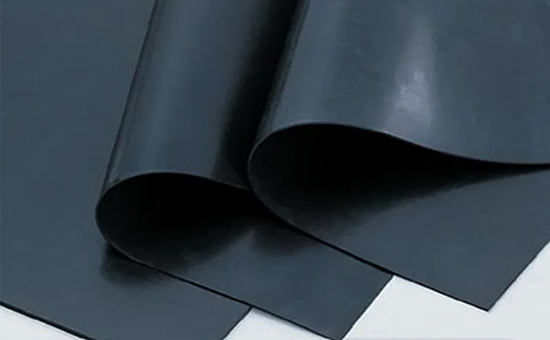
When producing rubber sheets using EPDM reclaimed rubber as the main raw material, paraffin oil is a commonly used softening plasticizer in the EPDM system. It can improve the mixing performance of EPDM reclaimed rubber and base rubber. However, excessive dosage affects the physical properties and dimensional stability of the compound, so the specific amount should be adjusted comprehensively based on the hardness of the compound, filler dosage, and target performance.
4. How to control the mixing and vulcanization processes of rubber sheets produced from EPDM reclaimed rubber
When producing rubber sheets with EPDM reclaimed rubber, after entering the mixer, the feeding sequence, discharge temperature, and mixing time all affect carbon black dispersion and compound uniformity; Feeding can follow the sequence of reclaimed rubber, activators and solid additives, anti-aging agents and general accelerators, carbon black, liquid softeners, and vulcanization system. During the reclaimed EPDM reclaimed rubber mixing stage, the discharge temperature must be controlled; sulfur and accelerators should not be added too early to reduce the risk of scorch.
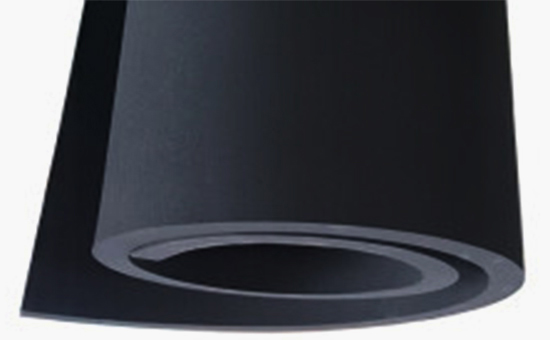
When remixing with the open mill, observe the condition of the rubber roller and surface smoothness to avoid prolonged high-temperature shearing for uniform purposes. When producing thicker rubber sheets with EPDM reclaimed rubber, the vulcanization process requires consideration of heat transfer speed and cannot be directly applied to the vulcanization time of thin films.
When producing rubber sheets with EPDM reclaimed rubber, it is essential to pay attention to its stability. Otherwise, after switching to a batch of EPDM reclaimed rubber in the same formula, the hardness, Mooney viscosity, and even the calendering state of the compound will change. It is recommended to cooperate with large, reputable reclaimed rubber manufacturers and conduct quality sampling inspections on each batch to ensure batch stability, so that rubber sheet production can truly achieve controllable performance and cost-effective results.
Exclusive original article [commercial authorization] reprint, excerpt and excerpt in any form are prohibited without written authorization. Focus on Hongyun rubber: learn the process formula and raw material technology of producing rubber products from recycled rubber to help you reduce costs and increase profits