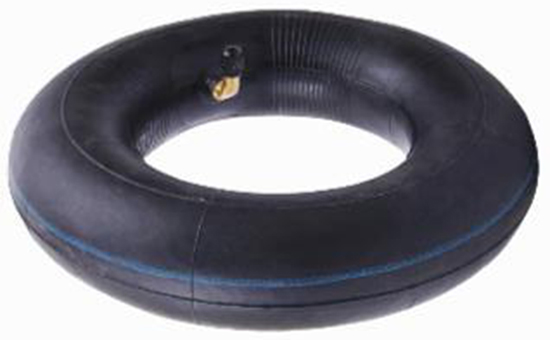
EPDM reclaimed rubber has excellent high and low temperature resistance, ozone resistance, and weatherability. Inner tubes made mainly from butyl rubber have good air tightness, but using pure butyl rubber in production presents problems such as high cost, difficulty in plasticizing, uneven cutting, roller sticking after adding oil, difficulty in shaping, rough extrusion surfaces, and large dimensional fluctuations. After aging, they tend to soften, swell, and stick to the tire casing. So, can EPDM reclaimed rubber be used in butyl inner tubes? What are the advantages, and what should be considered?
1. Advantages of adding EPDM reclaimed rubber to butyl inner tubes
EPDM reclaimed rubber is made from EPDM head rubber, unvulcanized EPDM, or waste EPDM products. It is low-cost, aging-resistant, highly workable, and has good flow. Adding EPDM reclaimed rubber to butyl inner tubes mainly helps reduce costs while improving processing performance, addressing the softness and stickiness issues that occur with pure butyl rubber after aging. The specific benefits are:
(1) Improved processing: Adding EPDM reclaimed rubber makes the rubber compound easier to extrude, increases extrusion speed, stabilizes dimensions, reduces shrinkage and distortion, and lowers mixing energy consumption.
(2) Longer service life: Pure butyl rubber softens with age, while EPDM hardens. Mixing a suitable amount of EPDM reclaimed rubber with butyl helps balance these properties, reducing the risk of softening, swelling, or even blowouts during high-speed, high-temperature driving.
(3) Reduced production costs: EPDM reclaimed rubber is significantly cheaper than butyl rubber, even lower than reclaimed butyl. Using a suitable amount in butyl inner tubes effectively lowers raw material costs.
2. Tips for choosing EPDM reclaimed rubber for butyl inner tubes
Butyl inner tubes require a uniform rubber compound. Impurities or poor dispersion can originate weak spots, affecting airtightness and service life. When choosing EPDM reclaimed rubber to reduce costs, don’t just look at price and rubber content. Focus on fine particle size, impurities, ash content, Mooney viscosity, volatiles, and batch consistency. It’s recommended to choose ultra-fine filtered EPDM reclaimed rubber with high fineness and low impurities. If needed, filter and pre-treat the reclaimed rubber for better extrusion and good airtightness in the finished inner tubes.
3. How much EPDM reclaimed rubber to add to butyl inner tubes?
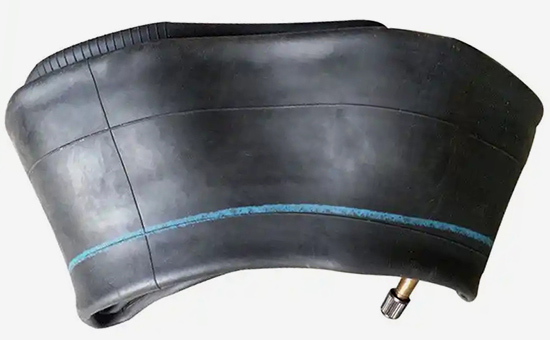
The main goal of adding EPDM reclaimed rubber is to improve processability, aging performance, and reduce costs. Butyl rubber should remain the dominant component, with EPDM reclaimed rubber as a supplement, usually 5%-15%. EPDM has poorer air tightness than butyl; adding too much increases gas permeability in the inner tube.
4. Formulation and processing tips for adding EPDM reclaimed rubber to butyl inner tubes
(1) Formulation: Using mostly butyl with a small amount of EPDM reclaimed rubber affects the vulcanized compound’s crosslink density, which impacts airtightness. Increasing crosslink density makes the rubber denser, raising the activation energy for gas diffusion.
When designing a vulcanization system for a butyl/EPDM reclaimed rubber blend, you can slightly increase sulfur to enhance curing; adjust carbon black and softener to improve extrusion speed, make surfaces smoother, increase strength, and reduce shrinkage, lowering costs. Sheet-like inorganic fillers like mica, talc, or graphite are more effective than spherical particles at reducing permeability. Adding too much softener or plasticizer can increase permeability and should be controlled.
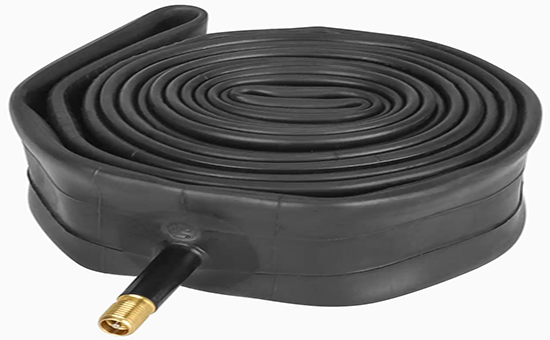
(2) Processing: During mixing, avoid clustering of reclaimed rubber, and ensure carbon black, vulcanizing agents, and other additives are fully dispersed. Filtering the rubber before calendering or extrusion helps minimize internal defects.
The core role of EPDM reclaimed rubber in butyl inner tubes is to make butyl rubber easier to mix and extrude. By controlling the quality, blending ratio, and vulcanization system, using a small amount of EPDM reclaimed rubber can improve cost efficiency while maintaining airtightness and mechanical properties.
Exclusive original article [commercial authorization] reprint, excerpt and excerpt in any form are prohibited without written authorization. Focus on Hongyun rubber: learn the process formula and raw material technology of producing rubber products from recycled rubber to help you reduce costs and increase profits