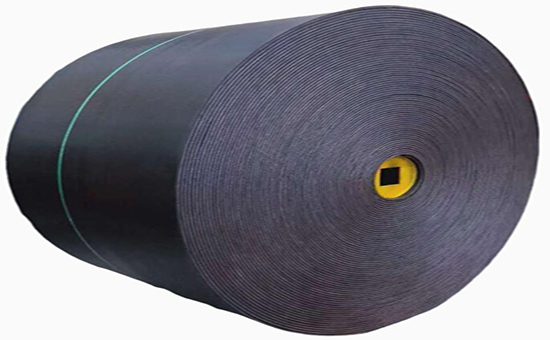
EPDM recycled rubber has excellent high and low temperature resistance, aging resistance, and good compatibility with EPDM raw rubber, which can replace some EPDM rubber to produce heat-resistant conveyor belts, or be used in combination with butyl rubber and butyl recycled rubber to reduce raw material costs under the premise of ensuring the performance of heat-resistant conveyor belts. In actual production, the following four issues must be considered when mixing EPDM recycled rubber with heat-resistant conveyor belts.
1. Consider the quality and stability of EPDM recycled rubber for heat-resistant conveyor belts
(1) EPDM recycled rubber index and original rubber adaptation: when using EPDM recycled rubber to reduce the production cost of rubber conveyor belts, the quality of recycled rubber directly determines the mixing effect and finished product quality, and it is necessary to choose EPDM recycled rubber with high glue content and low impurities according to the heat resistance, wear resistance and other performance requirements of the conveyor belt, and the tensile strength, tear elongation and other indicators are adapted to the original rubber to avoid product performance degradation due to the difference in the quality of the recycled rubber.
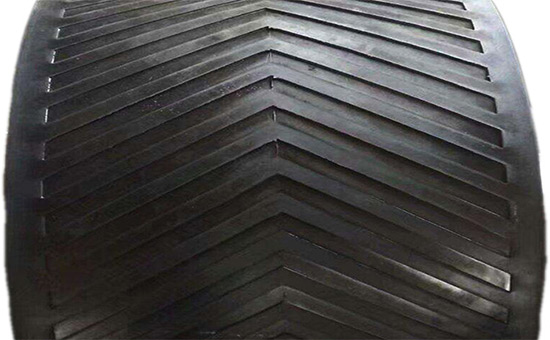
(2) Stable quality of EPDM recycled rubber: When choosing EPDM recycled rubber for heat-resistant rubber conveyor belts, it is recommended to cooperate with a recycled rubber factory with a certain scale, have a complete quality inspection system, stable quality of recycled rubber, sufficient inventory, will not affect the normal production of EPDM heat-resistant rubber conveyor belt due to fluctuations in the quality of recycled rubber or sudden shortage or out-of-stock.
2. Consider the influence of EPDM recycled rubber on the performance of heat-resistant conveyor belts, and control the proportion of recycled glue mixing
The core requirement of heat-resistant rubber conveyor belts is heat resistance. When EPDM recycled rubber is desulfurized, the molecular chain will be broken to a certain extent, the network structure of vulcanized glue will be destroyed, and the heat aging resistance is different from EPDM raw glue E5LYY925 Therefore, when using EPDM recycled rubber instead of EPDM rubber to produce heat-resistant conveyor belts, we must pay attention to the influence of the mixing ratio of recycled glue on the heat resistance of the conveyor belt. Comprehensively consider the heat resistance, tensile strength, tear elongation, wear resistance, and aging resistance of the conveyor belt, and reasonably determine the proportion of EPDM recycled adhesive, which is generally controlled among 10% and 35%.
3. Consider the influence of EPDM recycled rubber components on the index of heat-resistant conveyor belt
When using EPDM recycled rubber to produce heat-resistant rubber conveyor belts, the recycled rubber contains rubber hydrocarbons that can be vulcanized, and must be combined with the vulcanizing agents and accelerators necessary for the rubber hydrocarbons in the vulcanized recycled rubber to ensure that the rubber material is fully vulcanized. EPDM recycled rubber heat-resistant conveyor belt preferentially chooses peroxide vulcanization system to improve high-temperature compression set set; It is recommended to use a low-sulfur and high-promotion formula for sulfur vulcanization to reduce the impact of sulfide return on heat resistance.
EPDM recycled rubber contains a certain amount of carbon black, and when designing the formula of EPDM recycled rubber heat-resistant conveyor belt, it is necessary to pay attention to this part of the filler to avoid hardening the rubber caused by excessive dosage. EPDM recycled adhesive heat-resistant conveyor belt is recommended to be used in combination with high-wear carbon black (N220, N330) and semi-reinforced carbon black (N550, N774), with heat-resistant fillers such as talcum powder and calcined kaolin, taking into account the reinforcement effect and thermal stability.
4. Adjustment of the compounding and vulcanization process of EPDM recycled rubber production heat-resistant conveyor belt
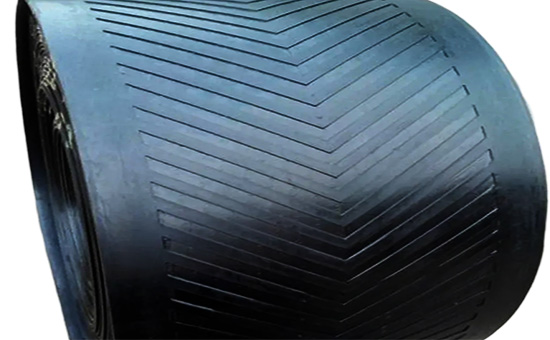
The fluidity and burning properties of EPDM recycled rubber are different from EPDM raw rubber, and the compounding and vulcanization process parameters need to be appropriately adjusted in the production of heat-resistant conveyor belts. When mixing EPDM/EPDM recycled rubber heat-resistant conveyor belt, it is recommended to use two-stage mixing, and the mixing temperature is controlled at 120-130°C to promote the uniform dispersion of recycled rubber. During vulcanization, delay-acting accelerators can be used to ensure processing safety, and the vulcanization time can be appropriately extended according to the performance of the conveyor belt to ensure that the recycled rubber is fully cross-linked.
When using EPDM recycled rubber instead of EPDM raw rubber to produce heat-resistant rubber conveyor belts, rubber product manufacturers need to comprehensively consider the performance requirements, cost budget and existing production equipment of the conveyor belt, choose the appropriate EPDM recycled rubber, reasonably determine the proportion of EPDM recycled rubber, appropriately adjust the production formula and production process parameters, and reduce more costs under the premise of ensuring the performance of the heat-resistant conveyor belt.
Exclusive original article [commercial authorization] reprint, excerpt and excerpt in any form are prohibited without written authorization. Focus on Hongyun rubber: learn the process formula and raw material technology of producing rubber products from recycled rubber to help you reduce costs and increase profits