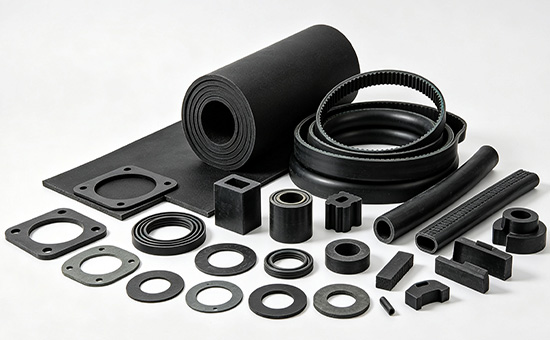
When using reclaimed rubber to produce rubber products, formulating isn't as simple as just adding reclaimed rubber to natural rubber, fillers, and additives. You also need to consider material properties, formulation systems, processing methods, and product requirements. The type of rubber in the reclaimed rubber, its rubber content, Mooney viscosity, plasticity, impurity levels, and degree of softening all affect the final compound's performance. So when designing a reclaimed rubber formulation, you have to consider product performance as well as production stability and raw material costs.
1. Formulation systems in reclaimed rubber products can't work independently
When using reclaimed rubber as the main raw material for rubber products, it needs to be combined with rubber raw materials, curing systems, reinforcing systems, filling systems, softening/plasticizing systems, and protective systems. These systems don’t work independently. For example, carbon black affects hardness, tensile strength, and wear resistance while also changing the compound’s processability; plasticizers improve plasticity and mixing behavior, but too much can impact set stress, hardness, and dimensional stability.
Reclaimed rubber itself is a key variable in formulations. Reclaimed rubber from different sources or processes varies in plasticity, strength, and processing performance. Even using the same formulation, switching to a different type or quality of reclaimed rubber can change mixing, extrusion, curing, and final product performance.
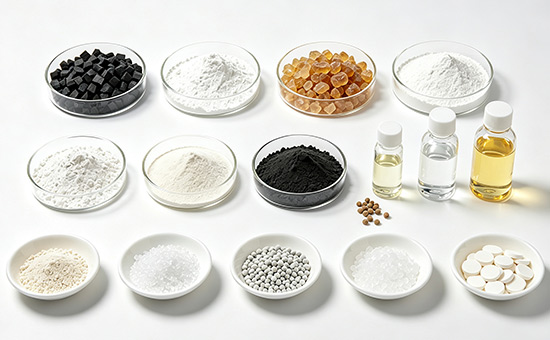
2. Reclaimed rubber formulation must meet the product requirements
When producing rubber products with reclaimed rubber, the formulation should be chosen based on the product’s intended use. For rubber seals, pay attention to compression set, aging resistance, and dimensional stability; for rubber sheets, focus more on wear, oil, or chemical resistance; for shock-absorbing products, consider hardness, elasticity, and dynamic performance.
In real production, high-strength, wear-resistant rubber products can use latex reclaimed rubber or tire tread reclaimed rubber; aging-resistant products use EPDM reclaimed rubber; oil-resistant products use NBR reclaimed rubber; high air-tightness products can use butyl reclaimed rubber. Once the reclaimed rubber type is chosen, adjust the formulation system based on desired hardness, tensile strength, elongation, wear resistance, and aging resistance.
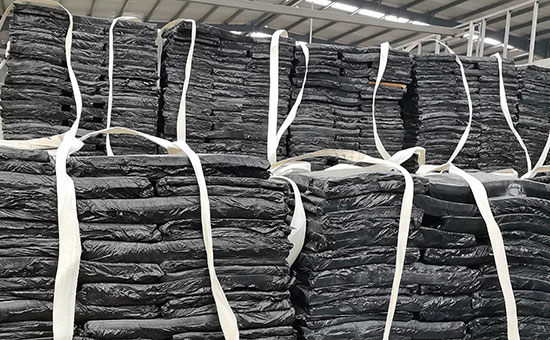
3. Reclaimed rubber formulation needs to balance performance, cost, and process
The main role of reclaimed rubber in rubber products is to lower raw material costs. But when designing a formulation, you shouldn’t just calculate price per kilogram; you should also consider the total manufacturing cost per product.
(1) Increasing reclaimed rubber content while using suitable reinforcing fillers can reduce the amount of virgin rubber used. But if too much reclaimed rubber makes mixing difficult, slows extrusion, prolongs curing, or increases waste, any material savings could be lost to production losses. (2) Simply adding more filler to reduce compound cost can overlook compound strength, processing performance, and product lifespan. The formula may seem cheap, but the actual production cost of the product may not be low.
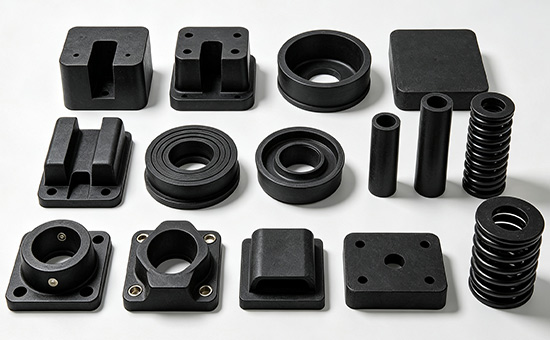
When using reclaimed rubber, you can make planned adjustments in the base formulation to reclaimed rubber content, carbon black, fillers, softeners, curing agents, and accelerators. This helps avoid guesswork and find a reasonable balance among compound performance, ingredient interactions, processing, and product cost. For rubber companies, a truly valuable formulation isn’t about using as much of one material as possible, but maximizing the performance and cost benefits of reclaimed rubber while maintaining stable production.
Exclusive original article [commercial authorization] reprint, excerpt and excerpt in any form are prohibited without written authorization. Focus on Hongyun rubber: learn the process formula and raw material technology of producing rubber products from recycled rubber to help you reduce costs and increase profits