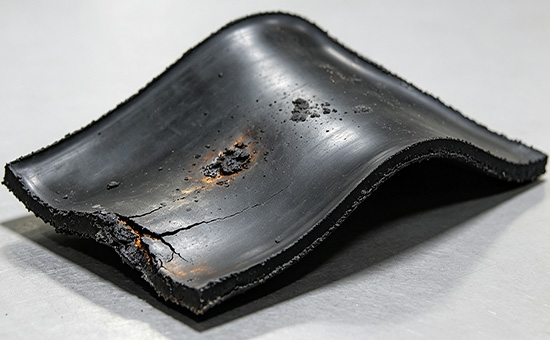
Recycled rubber, as a product of waste rubber recycling, is low-cost and easy to process. It can replace suitable types of natural rubber to produce various rubber products, effectively reducing raw material costs. When producing rubber products with recycled rubber, formulation design is crucial. However, when designing recycled rubber product formulas, you shouldn’t just focus on hardness, tensile strength, and cost; the scorch safety of the rubber compound is equally important. So, what is scorch, and how do you control it when formulating recycled rubber products?
1. What is rubber scorch?
When scorch occurs, the rubber’s flowability decreases. In severe cases, it can cause issues like rubber compound clumping during mixing, difficulty in sheet formation, unstable extrusion, or even mold filling problems. For recycled rubber products, the recycled rubber itself has some residual vulcanization structure and leftover additives. Different sources of recycled rubber vary in their degree of vulcanization, softening level, and residual auxiliaries. Therefore, the scorch behavior may vary even when the same vulcanization system is used for different recycled rubbers.
2. The vulcanization system of recycled rubber is key to controlling scorch
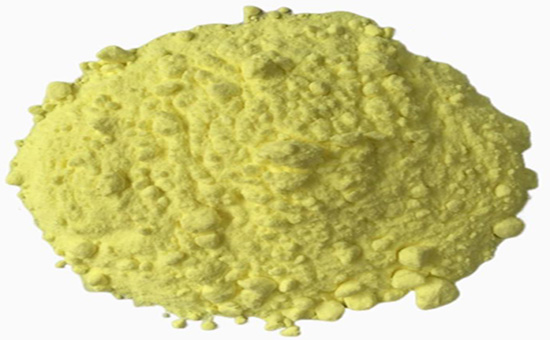
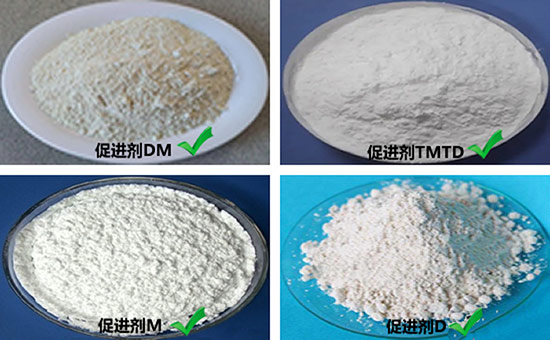
When using recycled rubber to make rubber products, the design of the vulcanization system directly affects the scorch safety. For products like sealing strips, rubber sheets, and hoses that require longer processing times, if the compound forms a vulcanized structure prematurely during mastication, extrusion, or holding, subsequent processing becomes unstable. High activator activity in the formula, incorrect sulfur-to-accelerator ratios, or mismatched vulcanization temperatures and processing conditions can all shorten scorch time.
Thus, when designing the vulcanization system for recycled rubber products, it’s essential to choose an accelerator system with appropriate scorch safety based on the processing method. Different recycled rubbers have different raw material sources and production processes, which may introduce traces of previous vulcanization components. The plasticity, Mooney viscosity, and residual vulcanized structure of recycled rubber also affect the processing state of the compounded rubber. Recycled rubber should be considered as part of the entire vulcanization system.
It’s important to note that slower accelerators are not always better. The scorch time, curing speed, and final cure state of recycled rubber need to be determined along with production rhythm. When changing batches of recycled rubber, pay attention to changes in Mooney viscosity, curing curves, and scorch time. For products with long extrusion times or high die temperatures, consider using delayed-action accelerators or, if the formula allows, scorch inhibitors to extend the safe period among heating and the onset of substantial vulcanization.
3. Effects of reinforcing and filler additives on scorch in recycled rubber
When using recycled rubber, the type, surface chemistry, structure, and amount of reinforcing agents and fillers affect the scorch performance. Carbon black produced by the channel process often contains more acidic oxygen groups on the surface, which can delay some vulcanization systems. Different surface chemistries of furnace carbon black can cause vulcanization systems to behave more readily activated. Large amounts of carbon black in recycled rubber products can also affect processing safety due to filler dispersion and compound viscosity changes.
4. Effects of softening additives on scorch in recycled rubber
When producing rubber products mainly with recycled rubber, adding softeners generally helps delay scorch. Therefore, when using a lot of carbon black (especially furnace black), appropriately increasing the softener in the formulation can not only improve carbon black dispersion, reduce compound viscosity and processing energy, but also reduce compound heat buildup and improve scorch performance. However, the effect of softeners on scorch time depends on oil type, dosage, and the vulcanization system; not all softeners delay scorch. Avoid blindly increasing softeners just for scorch safety when adjusting formulations.
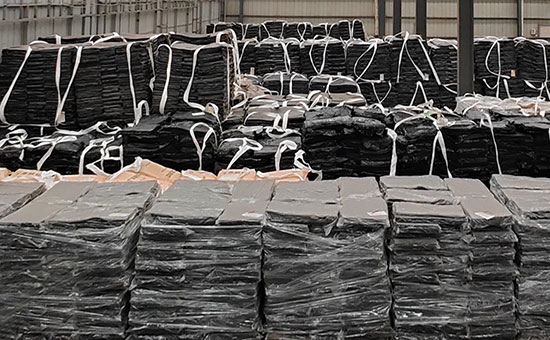
In practice, scorch in recycled rubber products often isn’t caused by a single formulation factor. For example, the same formulation may behave normally in a laboratory mixer but show very different scorch behavior on a continuous extrusion line due to higher compound temperature, stronger shear, or longer dwell time. Therefore, after finalizing a recycled rubber product formulation, rubber manufacturers still need to test it under actual processing temperatures, mixing times, equipment shear, and compound holding conditions.
Exclusive original article [commercial authorization] reprint, excerpt and excerpt in any form are prohibited without written authorization. Focus on Hongyun rubber: learn the process formula and raw material technology of producing rubber products from recycled rubber to help you reduce costs and increase profits