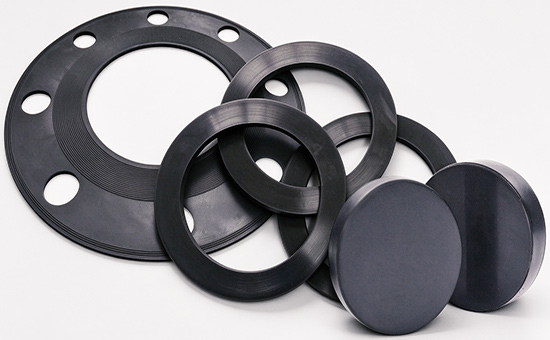
Heat-resistant rubber products are often exposed to high temperatures or environments with temperature cycles during use, requiring the rubber materials to withstand the effects of oxygen, ozone, corrosive chemicals, high-energy radiation, and mechanical fatigue while maintaining good performance. As recycled rubber is the desulfurized and regenerated product of waste rubber, can it be used in the production of heat-resistant rubber products? How should we design formulas for heat-resistant recycled rubber products?
1. How to correctly choose recycled rubber for heat-resistant products?
When using recycled rubber to produce heat-resistant rubber products, there are differences in the base rubber, Mooney viscosity, ash content, plasticizer content, and vulcanization characteristics among different types of recycled rubbers, resulting in varying heat resistance. EPDM recycled rubber has excellent heat and cold resistance, while butyl and nitrile recycled rubbers also have good heat resistance. Manufacturers of heat-resistant rubber products can choose the appropriate type of recycled rubber based on actual needs.
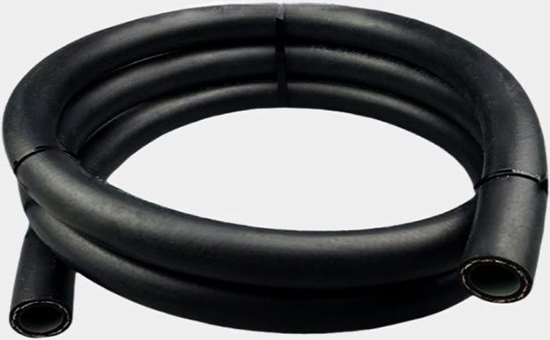
Generally, heat-resistant rubber sealing strips, hoses, gaskets, and other similar products can incorporate recycled rubber to a certain extent, effectively reducing raw material costs while ensuring product performance.
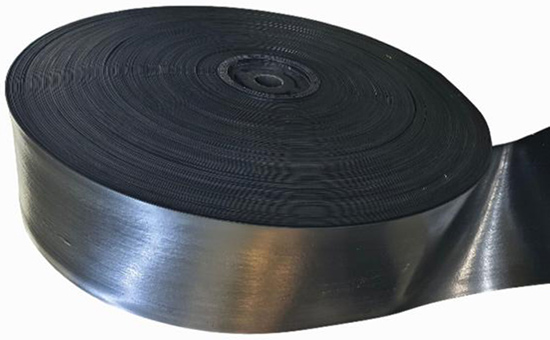
2. Tips for choosing the vulcanization system for heat-resistant recycled rubber products
The vulcanization system has a significant impact on the heat resistance of recycled rubber products. When using recycled rubber with sulfur vulcanization, the amount of sulfur, type of accelerator, and ratio among accelerators like E6LYY625 should be adjusted according to the rubber type and service temperature. Recycled rubber vulcanized with an effective or semi-effective vulcanization system generally has better heat resistance. To further enhance heat resistance, peroxide vulcanization can be chosen, especially for EPDM recycled rubber products; butyl recycled rubber can also use resin vulcanization.
3. Key points in designing the reinforcing/filler system for heat-resistant recycled rubber products
Heat-resistant sealing products typically need to balance hardness, compression set, and dimensional stability, so the proportion of inorganic fillers should not be increased indefinitely just to reduce costs.
When designing the reinforcing/filler system for heat-resistant recycled rubber formulas, consider both heat resistance requirements and budget. Generally, the stronger the reinforcement, the more noticeable the decline in elongation at break of recycled rubber during aging, leading to poorer heat-oxidation resistance. Inorganic fillers are more heat-resistant than carbon black; fumed silica, active zinc oxide, magnesium oxide, aluminum oxide, and silicate products are more suitable for heat-resistant recycled rubber formulas.
4. Key points in designing the softening/plasticizer system for heat-resistant recycled rubber products
The heat resistance of recycled rubber products is related to the volatility and thermal stability of softening plasticizers. Low molecular weight plasticizers tend to evaporate or migrate at high temperatures, increasing the hardness and reducing the elongation of the vulcanized rubber.
When selecting plasticizers for heat-resistant recycled rubber products, follow these principles: high thermal stability, low volatility, and a boiling/flash point higher than the service temperature. To improve heat resistance, it is recommended to choose high molecular weight polyester plasticizers, high-boiling paraffin-based process oils, and triaryl phosphate plasticizers. Note that when using organic peroxide vulcanization for recycled rubber, naphthenic oils or aromatic oils should not be used as process oils to avoid affecting crosslinking.
5. Key points in designing the anti-aging system for heat-resistant recycled rubber products
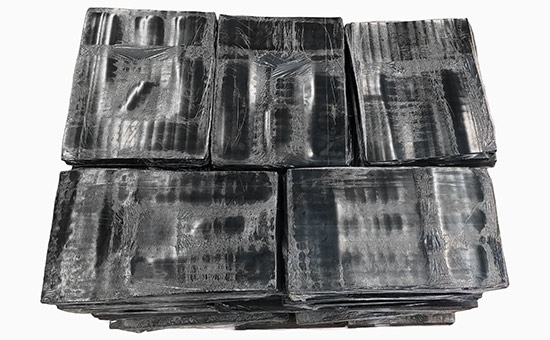
When producing heat-resistant rubber products with recycled rubber, the rubber is prone to thermal oxidative aging, so anti-aging agents should be selected according to the rubber type, ensuring compatibility with the vulcanization system. Common anti-aging agents for EPDM recycled rubber heat-resistant products include MB/RD, MB, RD, DNP; for nitrile recycled rubber, 4010NA/MB, 4010NA/RD, RD/DNP, RD/MB are commonly used. Recycled rubber products vulcanized with peroxide should not use amine-based antioxygen agents.
Designing formulas for heat-resistant recycled rubber products is not simply about adding heat-resistant raw materials or a single additive. It requires adjusting recycled rubber selection, blending ratio, vulcanization system, reinforcing system, plasticizers, anti-aging system, and processing conditions as a whole. Only by considering the actual service temperature and lifespan requirements of the products can recycled rubber truly provide both cost efficiency and performance.
Exclusive original article [commercial authorization] reprint, excerpt and excerpt in any form are prohibited without written authorization. Focus on Hongyun rubber: learn the process formula and raw material technology of producing rubber products from recycled rubber to help you reduce costs and increase profits