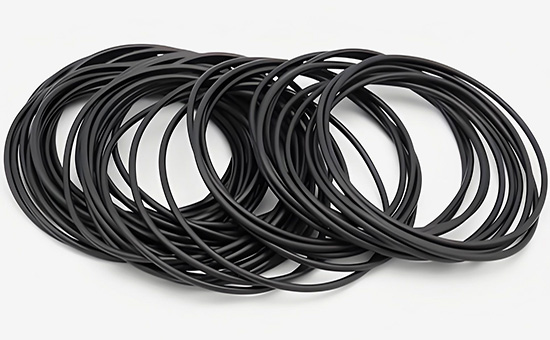
Nitrile reclaimed rubber retains the basic performance characteristics of nitrile rubber, with good oil and heat resistance. It can be used alone or combined with original nitrile rubber to produce heat-resistant rubber products, effectively reducing raw material costs. Rubber heat resistance refers to the ability of rubber and its products to maintain their physical, mechanical, or usable properties after long-term thermal aging. Reasonable design of the formula for nitrile reclaimed rubber products can further improve the heat resistance of the heat-resistant compound materials.
1. Tips for choosing raw rubber for heat-resistant reclaimed nitrile rubber
When producing heat-resistant rubber products with nitrile reclaimed rubber, it is recommended to prioritize nitrile reclaimed rubber or nitrile rubber with a high acrylonitrile content, as these have better heat resistance. The high acrylonitrile structure can strengthen the polarity of molecular chains, suppress chain breakage and slippage at high temperatures, and continuously maintain the mechanical strength of the compound under high-temperature conditions.
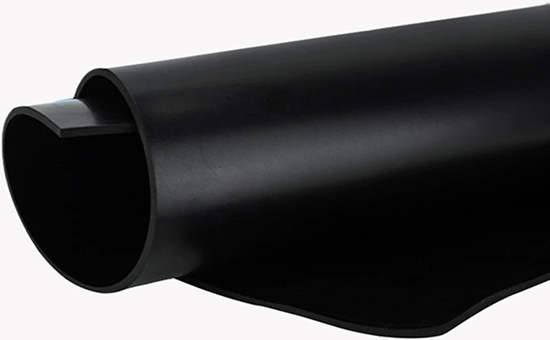
2. Key points for the vulcanization system design of heat-resistant reclaimed nitrile rubber materials
When preparing heat-resistant rubber materials mainly from nitrile reclaimed rubber, it is recommended to use a low-sulfur, high-promoter vulcanization system or a peroxide vulcanization system. Using 0.3-0.5 parts sulfur and 2.5-3.0 parts accelerator TMTD together results in good heat resistance for nitrile reclaimed rubber; when the TMTD amount is controlled above 3.5 parts, it can be used alone as a vulcanization system for heat-resistant reclaimed nitrile rubber compounds; or products obtained by combining TMTD:accelerator CZ:sulfur = 2.5:2.0:0.2 with a vulcanization system also have excellent heat resistance.
In actual production, the vulcanization system affects the heat resistance of the compound in the following order: DCP > sulfur-free vulcanization system> sulfur vulcanization.
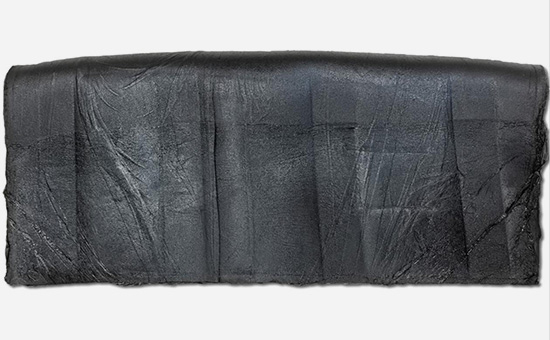
3. Key points in the design of the heat-resistant rubber filling system for nitrile reclaimed rubber
The type and amount of reinforcing agents and fillers in the formula of heat-resistant nitrile reclaimed rubber compounds directly affect the compound's thermal conductivity and thermal stability. Nitrile reclaimed rubber with carbon black reinforcement and vulcanized rubber have weak heat aging resistance and are not suitable for high-temperature heat resistance conditions. It is recommended to use magnesium oxide, alumina, white carbon black, mica powder, or talcum powder as reinforcing fillers, generally controlled in quantities of 30-50 parts. High-fill magnesium oxide reclaimed nitrile rubber compounds have good heat resistance.
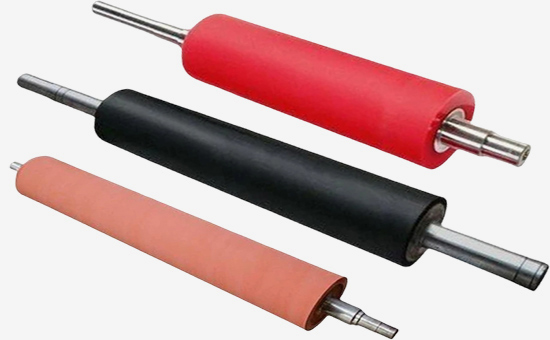
4. Key points for the softening system of heat-resistant reclaimed nitrile rubber materials
When designing a plasticizing system for heat-resistant reclaimed nitrile rubber materials, it is necessary to balance processing fluidity with heat resistance stability. The choose plasticizers should follow the principles of low volatility E6LYY112 and high boiling point, with recommendations for low-volatility gumalone resin, liquid nitrile rubber, and polymer polyesters as plasticizers; Avoid using low molecular weight, volatile petroleum-based softeners to prevent the compound from hardening or cracking during high-temperature aging.
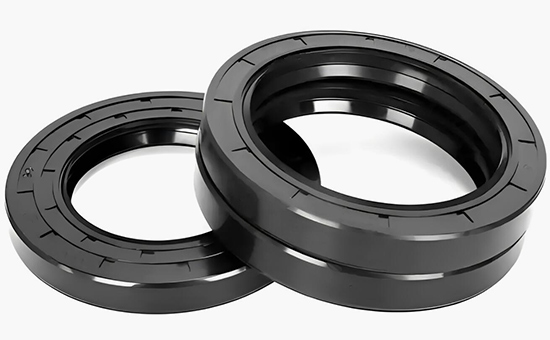
To further improve the heat resistance of nitrile reclaimed rubber products, several anti-aging agents can be used together. Common anti-aging agents include nickel dibutyldithiocarbamate (NDBC), 4010NA, etc., with a dosage of 3-5 parts by mass; To prevent the anti-aging agent from being extracted, heat-resistant reclaimed nitrile rubber can also be used as reactive antioxidants or high-molecular-weight antioxidants.
Exclusive original article [commercial authorization] reprint, excerpt and excerpt in any form are prohibited without written authorization. Focus on Hongyun rubber: learn the process formula and raw material technology of producing rubber products from recycled rubber to help you reduce costs and increase profits