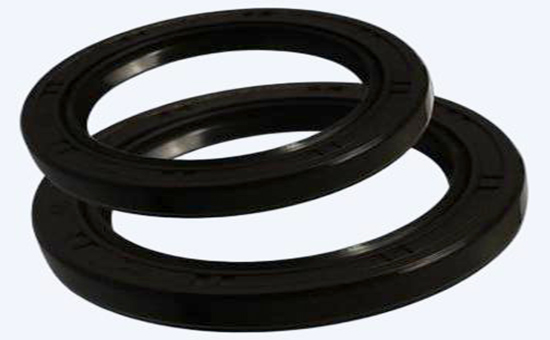
Nitrile reclaimed rubber is made from nitrile machine head rubber, sub-brand nitrile rubber, or used nitrile gloves as raw materials. It is processed through physical and chemical processes such as sorting, cleaning, crushing, desulfurization, refining, filtration, and calendering. It has certain plasticity and stickiness, can be processed and re-vulcanized, and can replace nitrile rubber in producing oil- and wear-resistant rubber products, effectively reducing raw material costs. The plasticity of the compound is crucial for the processing and molding of rubber products. How is the plasticity of nitrile reclaimed rubber? How to achieve the right plasticity?
1. How plasticity is the reclaimed nitrile rubber?
After desulfurization treatment during the production of nitrile reclaimed rubber, the three-dimensional cross-linked network is partially broken, and the molecular chains transform from an elastic mesh structure to a flowable linear or low-crosslinking state, E6LYY15 the activity of polymer segments is enhanced, manifesting as increased plasticity and decreased elasticity; The regeneration process reduces the average molecular weight of the compound, shortens molecular chains and makes slippage easier, slightly lowers the glass formation temperature, and makes plastic deformation more likely at room temperature; During the production of nitrile reclaimed rubber, oil-based softeners and fillers are added. These components act as "internal plasticizers," further weakening intermolecular forces and improving processing flowability.
2. How to further improve the plasticity of nitrile reclaimed rubber
When producing rubber products mainly from nitrile reclaimed rubber, the suitable plasticity can meet the requirements of rolling and extrusion molding processes; However, excessive processing can lead to a decline in the mechanical properties of the reclaimed nitrile vulcanized rubber; Nitrile reclaimed rubber itself has good plasticity and generally does not require strong plasticizing. To appropriately improve the plasticity of nitrile reclaimed rubber, you can start from the following aspects.
(1) Rational use of plasticizers: Reasonable use of softening plasticizers in the formulation of nitrile reclaimed rubber products includes commonly used dibutyl phthalate (DBP), methyl phosphate (TCP), liquid nitrile rubber, or coumaron resin to reduce intermolecular forces in reclaimed rubber and improve the plasticity and flowability of the compound. It should be noted that the formulation of nitrile reclaimed rubber products must avoid using easily precipitated non-polar softening oils such as paraffin oil.
(2) Control filler usage: Excessive filler usage in nitrile reclaimed rubber formulations reduces the plasticity of the compound. Common reinforcing fillers include carbon black, while non-reinforcing fillers include calcium carbonate and kaolin.
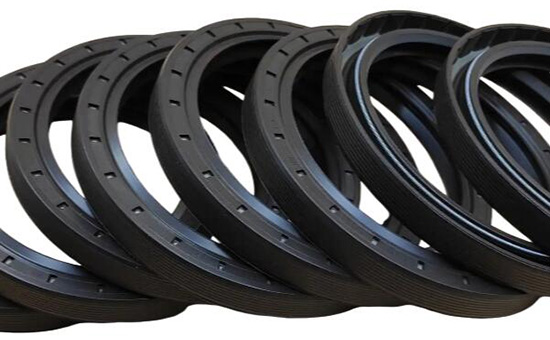
(3) Optimize the mixing process: When mixing nitrile reclaimed rubber, it is recommended to first add plasticizers and softeners, followed by fillers and vulcanization system additives; Mixing temperature should be controlled below 110°C for 8-12 minutes to prevent degradation.
In actual production, nitrile reclaimed rubber has better plasticity than nitrile base rubber, has good fluidity, and low mixing power consumption, making it suitable for processes such as molding, calendering, and extrusion. Unvulcanized rubber has less expansion and contraction, making its dimensions more stable; Lower heat generation during processing, good vulcanization flatness; When using nitrile reclaimed rubber together with nitrile rubber, it is recommended to fully plasticize the base rubber before mixing with the reclaimed rubber.
Exclusive original article [commercial authorization] reprint, excerpt and excerpt in any form are prohibited without written authorization. Focus on Hongyun rubber: learn the process formula and raw material technology of producing rubber products from recycled rubber to help you reduce costs and increase profits