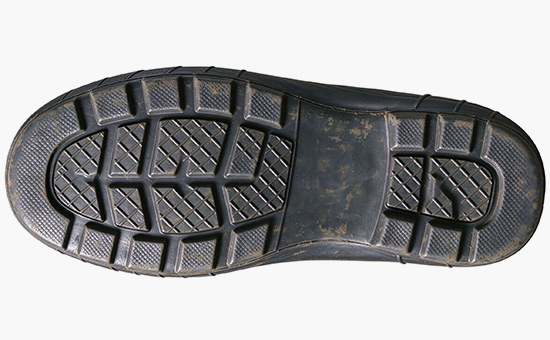
Recycled rubber is made from waste vulcanized rubber as raw material. It’s processed through crushing, heating, mechanical and chemical treatments, giving it a certain degree of plasticity and stickiness. It can be re-vulcanized and reused in rubber product manufacturing, effectively reducing raw material costs, with shoe soles being one example. When producing the rubber parts of shoes with recycled rubber, the vulcanization system is crucial, including vulcanizing agents, accelerators, activators, and scorch inhibitors.
1. Common Vulcanizing Agents for Making Shoes with Recycled Rubber
When using recycled rubber for shoe soles, sulfur is the most common vulcanizing agent. Elemental sulfur forms highly efficient cross-links in rubber and results in good overall vulcanized rubber performance, meeting the requirements of all types of rubber shoes. When using sulfur with recycled rubber, the carbon black and softener in the compound can absorb sulfur, allowing an effective solubility of about 2.5%, higher than the 1% solubility of sulfur in rubber at room temperature. Note that sulfur tends to clump, so it usually needs to be screened before use to ensure even dispersion.
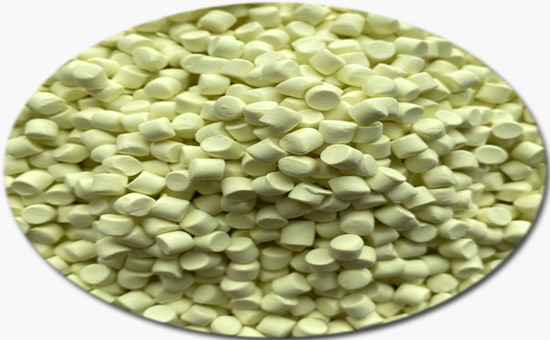
For shoe soles that need heat resistance, peroxide vulcanization can also be used, such as DCP, and sulfur-peroxide hybrid systems can be applied if necessary. When recycled rubber is blended with EVA or PE to produce microporous soles, DCP can also serve as a crosslinking agent.
2. Common Vulcanization Accelerators for Making Shoes with Recycled Rubber
When producing shoe soles from recycled rubber, thiazole-type accelerators (like M, DM) are mainly used as primary accelerators, with guanidine types as secondary. This combination ensures well-rounded, balanced vulcanized rubber properties, smooth curing, low scorch tendency, and a lower chance of over-vulcanization. For better scorch resistance, sulfenamide types can be used as the main accelerator. For molded or unit soles, thiuram accelerators can be chosen for fast vulcanization.
In the formula for recycled rubber shoe soles, vulcanization accelerators are mainly used in combination. Common combination examples are: thiazole (main) + thiazole (auxiliary), such as M DM; thiazole + guanidine, such as M D; sulfenamide + guanidine, such as CZ D; thiazole + thio-carbamate, such as DM TMTD.
3. Common Vulcanization Activators for Making Shoes with Recycled Rubber
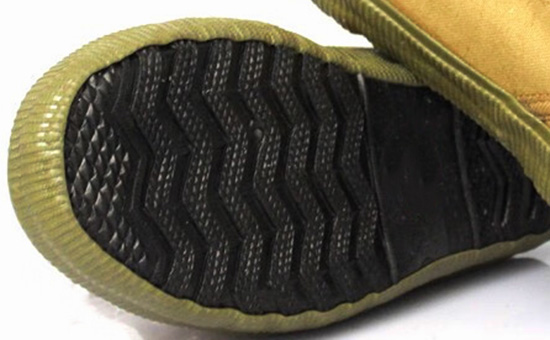
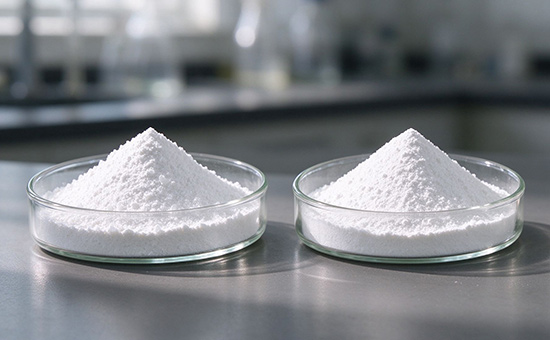
When producing shoe soles using recycled rubber, a combination of zinc oxide (5 parts) + stearic acid (1 part) is the most commonly used vulcanization activator; otherwise, 2–3 parts of nano zinc oxide can replace the traditional 5 parts of standard zinc oxide, maintaining the vulcanization speed and vulcanized rubber performance.
4. Common Scorch Inhibitors for Making Shoes with Recycled Rubber
Adding scorch inhibitors improves the safety of rubber compounds, especially in high-temperature seasons or when the compound is re-processed multiple times during shoe production. The most common inhibitors are organic acids and anhydrides, such as salicylic acid, benzoic acid, phthalic anhydride, etc. The side effect of these inhibitors is a delayed vulcanization effect, so they are generally only used in summer, at 0.3–1 part.
Shoes are a harmonious combination of multiple components (both rubber and non-rubber), where each part has a different role and position. For example, the outsole is subject to frequent bending and abrasion, requiring excellent elasticity, wear resistance, and flex resistance. The foxing and upper rubber need to excel in flex and aging resistance. The sponge midsole needs good elasticity, and the inner heel counter needs to support the shoe upper firmly with good wear and flex resistance.
When using recycled rubber for different shoe components, it’s essential to choose the appropriate recycled rubber based on the actual requirements, reasonably design the vulcanization system, and, if necessary, adjust the reinforcement filler system and softening/plasticizing system. I’ll discuss related issues with you later.
Exclusive original article [commercial authorization] reprint, excerpt and excerpt in any form are prohibited without written authorization. Focus on Hongyun rubber: learn the process formula and raw material technology of producing rubber products from recycled rubber to help you reduce costs and increase profits