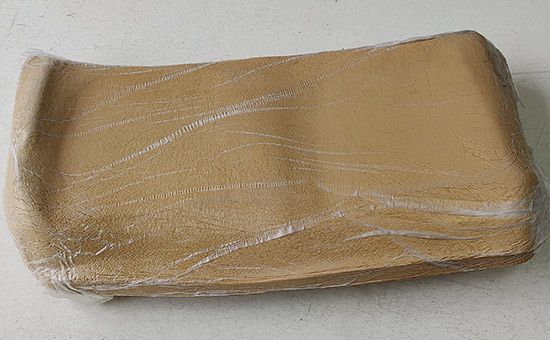
Sub-brand natural rubber is a secondary rubber produced in the production process of natural rubber due to impurity content, initial plasticity value or color and other indicators slightly lower than the standard grade index, which retains the excellent mechanical properties and processing performance of natural rubber, and can replace the standard natural rubber in whole or in part to produce tire tubes, hoses, seals and ordinary industrial products, reducing costs. Can secondary brand natural rubber produce high-hardness rubber products? How to improve the hardness of secondary brand natural rubber products?
1. Tips for choosing the next brand natural rubber
It is recommended to give preference to the sub-brand natural rubber with high Mooney viscosity, which has a larger molecular weight, a narrower molecular weight distribution, and tighter molecular chain entanglement, which can obtain higher hardness values under the same vulcanization conditions. It should be noted that the viscosity of the secondary brand natural rubber Mooney is balanced with the processing fluidity to avoid difficulties in mixing and extrusion due to excessive viscosity.
2. Key points of the design of vulcanization system for high-hardness sub-brand natural rubber products
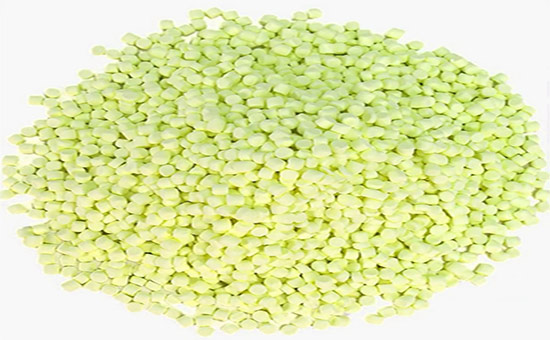
When using sub-brand natural rubber to produce high-hardness rubber products, the degree of cross-linking is the key to determining the hardness of rubber products, and it is recommended to choose a sulfur-accelerator system to appropriately increase the amount of sulfur and increase the number and density of cross-linking bonds. Use after-effect promoters with sulfur, such as accelerators CZ/DM, to ensure sufficient sulfurization. It should be noted that excessive sulfur dosage can easily lead to problems such as frost spraying and thermal aging performance, and it is recommended to add 2.5-3.5 parts of sulfur to 100 parts of sub-brand natural rubber.
3. Key points of the design of the reinforcement filling system of high-hardness sub-brand natural rubber products
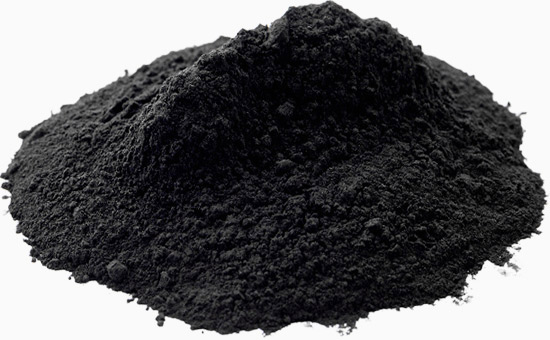
It is recommended to use reinforcement agents with high structure, small particle size and large specific surface area to form strong physical adsorption and chemical combination with the rubber molecular chain E5LYY1020, effectively limit the movement of the molecular chain and improve the hardness. Carbon black N330 and N550 are the most commonly used reinforcing agents for sub-brand natural rubber products, and the dosage of reinforcing agents should be increased as much as possible under the premise of meeting the processing performance, and the dosage should be controlled at 30-80 parts. Light-colored sub-brand natural rubber products If you want to increase the hardness, you can use silica.
4. Key points of the design of the softening system of high-hardness sub-brand natural rubber products
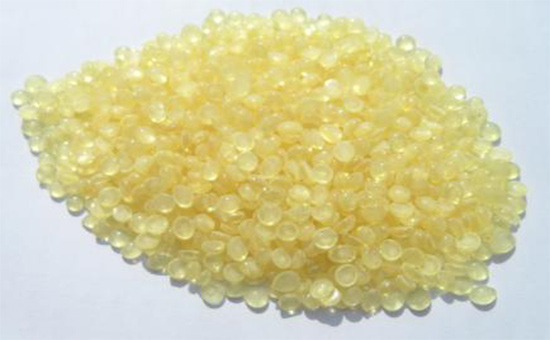
The use of softeners in sub-brand natural rubber will increase the distance among the rubber molecular chains, weaken the intermolecular forces, and reduce the hardness of the compound. Therefore, when producing high-hardness rubber products from sub-brand natural rubber, it is necessary to minimize the amount of softener added under the premise of ensuring processing performance. If necessary, select high-viscosity plasticizers, such as petroleum resins and other high-kinematic viscosity plasticizers, to reduce the free volume of the system. C9 petroleum resin replaces some low-viscosity operating oils, and the hardness of sub-brand natural rubber seals can be increased by 3-5 Shore A.
5. High-hardness sub-brand natural rubber products can use phenolic reinforcement resins and other hardeners to form a rigid network through chemical cross-linking, which significantly improves hardness and wear resistance.
6. High-hardness sub-brand natural rubber products use rubber-plastic blending to improve hardness
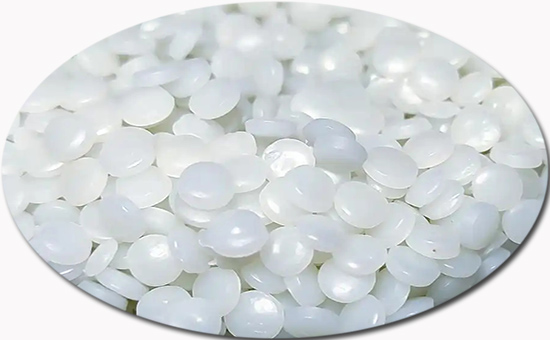
Secondary natural rubber can be used in conjunction with plastics such as PE, EVA, and styrene resin, which can improve the hardness of products by taking advantage of the high hardness characteristics of plastics. The secondary brand natural rubber/polyethylene blend can improve the hardness and rigidity of rubber products and improve the chemical resistance; The sub-brand natural rubber/EVA blend can improve the hardness while maintaining good elasticity; The combination of secondary natural rubber/styrene resin can significantly improve the hardness, control the amount of styrene resin, and avoid excessive embrittlement.
High hardness sub-brand natural rubber products use rubber and plastic to improve hardness, and it is necessary to pay attention to the compatibility among rubber and plastic, and if necessary, compatible agents can be added to improve the combination of the two-phase interface.
7. Characteristics of the rubber mixing process of high-hardness sub-brand natural rubber products
When using sub-brand natural rubber to produce high-hardness rubber products, it is necessary to appropriately reduce the number of rubber smelting times to avoid molecular chain degradation and compound hardness reduction caused by excessive plasticization. Control the rubber making time, and shorten the rubber making time as much as possible under the premise of ensuring uniform mixing; low-temperature rubber smelting is conducive to maintaining the integrity of the rubber molecular chain; During the processing process, the changes in the Mooney viscosity of the compound are observed in time to avoid over-processing.
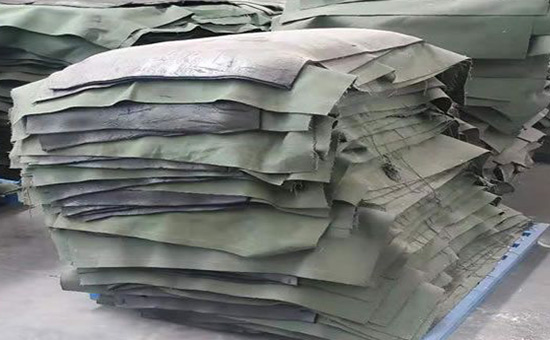
By reasonably designing rubber formulations and appropriately adjusting the production process, secondary grade natural rubber can be used to produce low-cost, high-hardness rubber products.
Secondary Grade Natural Rubber B has a rubber hydrocarbon content of over 90%, featuring good hand elasticity, high tensile strength, high elongation at break, and low specific gravity. It can replace Standard 1, Standard 2, and Vietnam 3L types during periods of high natural rubber prices. It is an ideal raw material for reducing the production cost of light-colored natural rubber products, while improving the tear resistance and aging resistance of rubber products, with an average raw material cost reduction of about 30%. Suitable products include: beef tendon soles, white sports shoe outsoles, colored rubber sheets, colored rubber hoses, stethoscope tubes, and other light-colored natural rubber products.
Exclusive original article [commercial authorization] reprint, excerpt and excerpt in any form are prohibited without written authorization. Focus on Hongyun rubber: learn the process formula and raw material technology of producing rubber products from recycled rubber to help you reduce costs and increase profits