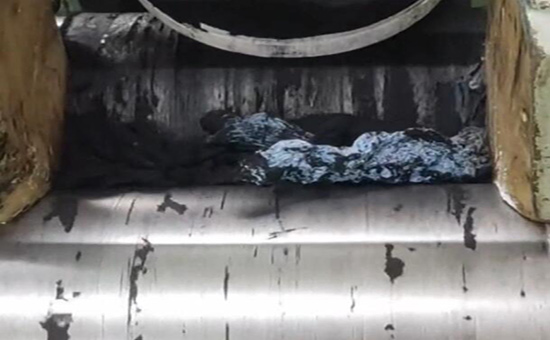
Reclaimed rubber refers to waste vulcanized rubber that has undergone physical and chemical processes such as crushing, heating, mechanical and chemical treatment, transforming it from an elastic state into a rubber with certain plasticity and stickiness that can be re-vulcanized and processed. It can replace or partially replace natural rubber, reducing rubber material costs and improving processing performance. Compared with natural rubber, reclaimed rubber has lower physical and mechanical properties; carbon black is the most commonly used rubber reinforcing agent and can significantly improve the mechanical strength of rubber materials. So in the production of reclaimed rubber products, is more carbon black always better?
1. Mechanism of carbon black in reclaimed rubber
When carbon black is used to reinforce reclaimed rubber, it forms a network structure with rubber molecular chains through physical adsorption and chemical bonding, significantly improving the mechanical properties of the reclaimed rubber. The explanatory effect of physical adsorption absorbs external force, acting as a buffer; sliding friction generates high energy loss, converting some energy into heat to protect the rubber from damage; molecular chain sliding aligns the rubber chains, evenly distributing stress and improving tensile and tear strength.
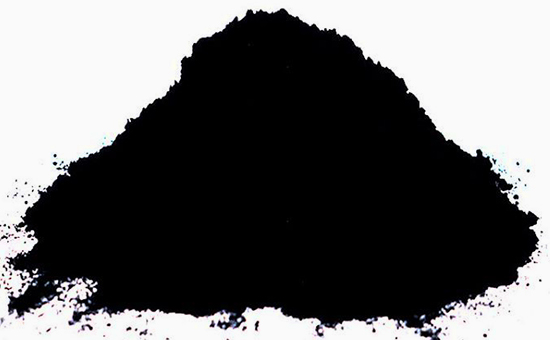
When reclaimed rubber is subjected to external force, the rubber segments on the surface of carbon black particles slide and stretch, producing reinforcing effects in the following ways.
2. Effect of carbon black content on the physical properties of reclaimed rubber compounds
As the amount of carbon black increases, the tensile and tear strength of reclaimed rubber compounds initially increases and then decreases; small particle carbon blacks such as ultra-durable furnace black and high abrasion furnace black can improve the tensile and tear strength of vulcanized reclaimed rubber; large particle carbon blacks such as thermal black can increase the elongation at break of vulcanized reclaimed rubber; highly active carbon blacks can form more network structures with rubber molecules, enhancing the strength and wear resistance of the reclaimed rubber.
3. Effect of carbon black content on the vulcanization properties of reclaimed rubber
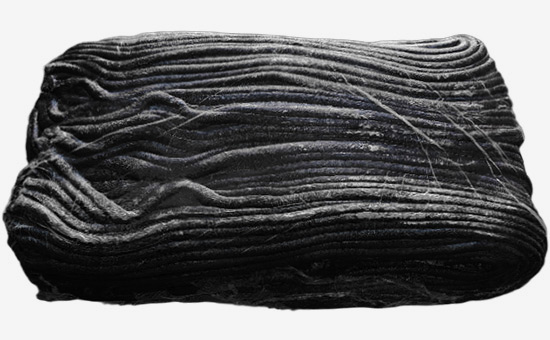
As the carbon black content increases, more carbon black gel forms during the vulcanization of reclaimed rubber, reducing the reactivity with vulcanizing agents and delaying vulcanization; the adsorption effect of carbon black reduces the effective concentration of vulcanizing agents and accelerators, leading to a slower vulcanization rate and longer scorch and optimum cure times. The amount of carbon black also affects the processing performance of reclaimed rubber; appropriately increasing carbon black or using high-structure carbon black can reduce extrusion swelling.
4. Is more carbon black better in reclaimed rubber products?
When using carbon black as a reinforcing agent in reclaimed rubber products, more is not necessarily better, for several reasons:
(1) Excessive carbon black causes a "dilution effect," where particles are in close contact but cannot disperse evenly, preventing rubber molecules from penetrating inside the carbon black aggregates, reducing interactions and weakening reinforcement.
(2) Excessive semi-reinforcing carbon black reduces compound resilience and increases permanent compression deformation. When producing sealing products from reclaimed rubber, precise control of carbon black content is essential, otherwise the sealing performance and lifespan can be severely affected.
(3) Carbon black is generally more expensive than reclaimed rubber, so excessive use is not cost-effective.
(4) Too much carbon black decreases the relative proportion of reclaimed and natural rubber, making mixing prone to sticking to rollers and scorching.
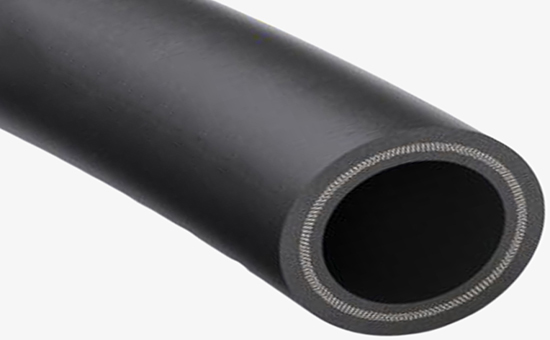
The amount of carbon black varies in different types of reclaimed rubber products. For example, when producing hoses using tread reclaimed rubber combined with natural rubber and styrene-butadiene rubber, carbon black accounts for 13%-15% of the total formulation; for ordinary hoses with higher strength requirements, carbon black can be appropriately increased to 30%-40%. In follow-up articles, I will continue to share the ideal carbon black content in the production of reclaimed rubber hoses, tapes, sheets, sealing products, tires, and other products.
Exclusive original article [commercial authorization] reprint, excerpt and excerpt in any form are prohibited without written authorization. Focus on Hongyun rubber: learn the process formula and raw material technology of producing rubber products from recycled rubber to help you reduce costs and increase profits