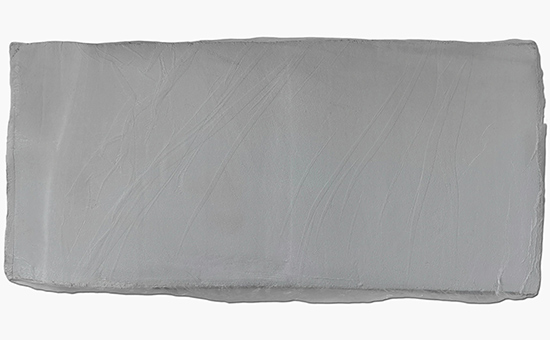
Isoprene reclaimed rubber is made from unvulcanized compound rubber or isoprene rubber scrap used in punching sheets. It has features like anti-aging, resistance to high and low temperatures, strong adhesion, high tensile elongation, tight air sealing, and high tear strength. It can be used alone or combined with isoprene rubber or natural rubber to produce rubber products, or mixed with butyl rubber to improve vulcanization and reduce raw material costs. So, what rubber products can be made with isoprene reclaimed rubber, and what should be kept in mind?
1. What rubber products can be made with isoprene reclaimed rubber?
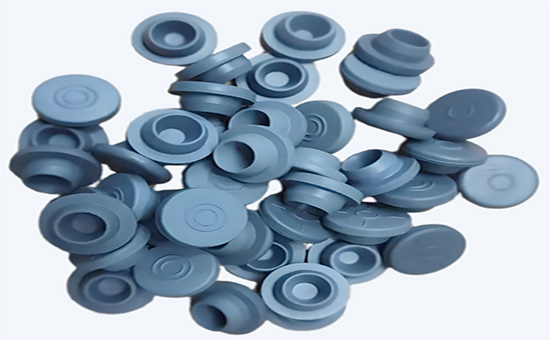
Isoprene reclaimed rubber combines the properties of natural and synthetic rubber and is widely used in rubber products that require elasticity, wear resistance, tear resistance, and are cost-sensitive, including rubber sheets, mats, gaskets, shock-absorbing pads, outer layers of hoses, conveyor belt covers, rubber miscellaneous parts, and shoe materials. In practice, isoprene reclaimed rubber is often used in combination to reduce the amount of raw rubber, improve processing performance, and lower costs.
2. Replacing natural rubber with isoprene reclaimed rubber in production
Isoprene reclaimed rubber is similar in structure to natural rubber and has good compatibility, so it can be mixed in any proportion. Rubber tires, hoses, tapes, sheets, and other products mainly made of natural rubber can reasonably incorporate isoprene reclaimed rubber to reduce material costs without compromising properties. Generally, rubber products that use natural rubber as the main material can include a suitable amount of isoprene reclaimed rubber.
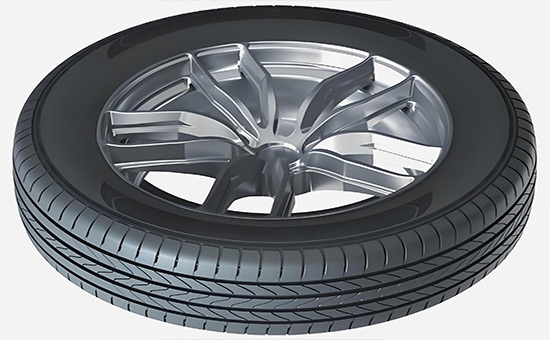
Adding a small amount of isoprene reclaimed rubber to rubber tires can improve aging resistance and grip. When producing hoses or tapes from natural rubber, adding isoprene reclaimed rubber can enhance performance in high and low temperatures and anti-aging. For light-colored rubber seals and gaskets, using light gray isoprene reclaimed rubber can also solve color matching and migration issues.
3. Improving vulcanization of butyl rubber products with isoprene reclaimed rubber
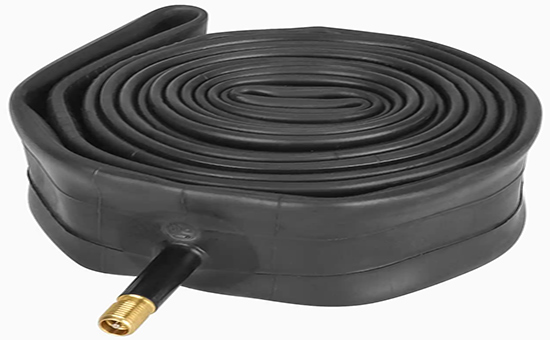
Butyl rubber is great for air tightness, heat resistance, and chemical resistance, making it ideal for inner tubes and seals. However, products mainly made from butyl rubber generally suffer from poor elasticity and slow vulcanization. Adding an appropriate amount of isoprene reclaimed rubber can maintain airtightness and heat resistance while improving elasticity and speeding up vulcanization. For instance, combining 80 parts butyl rubber with 20 parts isoprene reclaimed rubber to produce bicycle inner tubes, with carbon black, paraffin oil, accelerators, and sulfur, results in low cost and good performance.
4. Addressing inadequate elasticity in styrene-butadiene rubber (SBR) with isoprene reclaimed rubber
SBR has excellent wear resistance, heat resistance, and aging resistance but relatively poor elasticity. When producing hoses, tapes, and other products mainly from SBR, adding a suitable amount of isoprene reclaimed rubber can reduce raw material cost and effectively improve the elasticity of the products.
In actual production, isoprene reclaimed rubber can also be used together with latex reclaimed rubber to improve the heat resistance and aging resistance of rubber products; it can be used with tire reclaimed rubber to enhance the physical and mechanical properties and the elastic feel of rubber products. It's important to note that more isoprene reclaimed rubber isn't always better—you need to choose the right type based on actual needs, strictly control the proportion of reclaimed rubber used, and appropriately adjust the formula and production process. Later on, I'll continue sharing tips on formulation design, mixing, and vulcanization processes for products made with isoprene reclaimed rubber.
Exclusive original article [commercial authorization] reprint, excerpt and excerpt in any form are prohibited without written authorization. Focus on Hongyun rubber: learn the process formula and raw material technology of producing rubber products from recycled rubber to help you reduce costs and increase profits