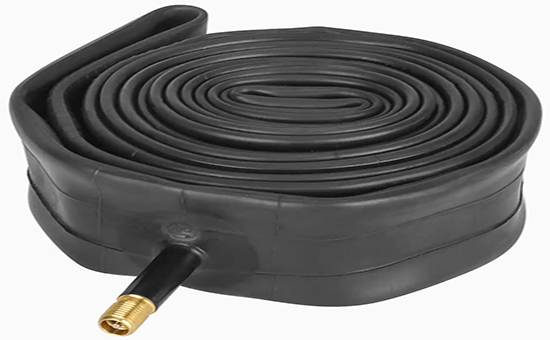
Isoprene recycled rubber is made of isoprene unvulcanized compound rubber, medical bottle cap and stopper as raw materials, after picking, crushing, desulfurization, filtration, refining and other processes to complete, the performance is among natural rubber and synthetic rubber, the price is much lower than natural rubber, butyl rubber, can replace part of natural rubber, or as a copolymer of butyl rubber to improve the vulcanization performance of butyl rubber and reduce the cost of rubber products. Bicycle inner tubes are generally processed from butyl rubber and natural rubber as raw materials, can isoprene recycled rubber be used in the production of bicycle inner tubes? What issues should I pay attention to?
1. Can isoprene recycled rubber produce bicycle tubes?
The bicycle inner tube needs to keep the inflation pressure stable during use, and the rubber material is required to have good air tightness; During the riding process, the inner tube needs to withstand frequent deformation, which requires good elasticity E5LYY1110 high resilience of the compound; The tires are constantly squeezed and stretched when rolling, which requires excellent flexural fatigue resistance. The inner tube wall thickness is thin, which is easy to be subjected to local stress during installation and use, so the rubber is required to have high tear resistance. Bicycle tubes are exposed to air for a long time, and the rubber material used needs to have good aging resistance.
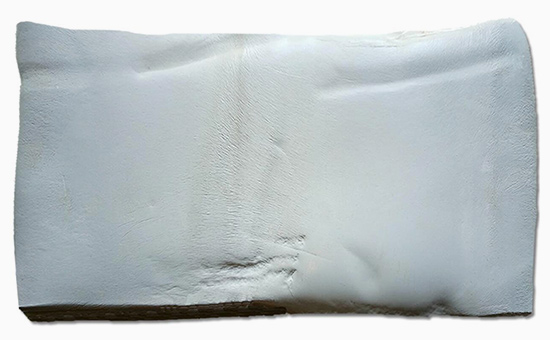
Isoprene recycled rubber has good elasticity, air tightness, aging resistance, high and low temperature resistance, adhesion and tear resistance, which can meet the basic performance needs of bicycle inner tubes, so it can be used in the production of bicycle inner tubes; Bicycle inner tubes have extremely high requirements for the air tightness of the rubber material, so it is recommended to choose 80-mesh ultra-fine filtered isoprene recycled glue, which has better air permeability.
2. The application of isoprene recycled rubber in bicycle inner tubes
Isoprene recycled rubber has the basic performance characteristics of natural rubber and synthetic rubber, and has good compatibility with natural rubber and butyl rubber, and can be used in the production of bicycle inner tubes in an appropriate ratio with natural rubber or butyl rubber, effectively reducing the cost of raw materials under the premise of ensuring the performance of inner tubes. In actual production, ordinary bicycle tubes can be mixed with 50%-80% isoprene recycled glue, mountain bike and sports bicycle inner tubes can be mixed with 30%-50% isoprene recycled glue, and high-end bicycle inner tubes are recommended to be mixed with 20%-30% isoprene recycled glue.
3. Key points of the formula design of bicycle inner tubes for the production of isoprene recycled rubber
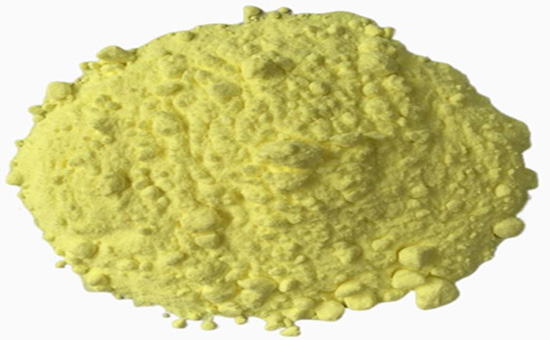
When mixing isoprene recycled rubber in bicycle inner tubes to reduce costs, the sulfur-accelerator system is mostly used, and the accelerator can be DM, CZ, NS, etc., and it is recommended to appropriately increase the amount of vulcanizing agent and accelerator to ensure that the rubber is fully vulcanized; The reinforcing agent can be used fast pressing black N550 or general carbon black N660, which is filled with light calcium and terracotta clay, and the vulcanized rubber has a certain mechanical strength and low density. The softening system can use pine tar, petroleum resin, engine oil, etc., and isoprene regenerated rubber has good plasticity and fluidity, which can appropriately reduce the amount of softener.
4. Key points of the production process of bicycle inner tubes for the production of isoprene recycled rubber
When isoprene recycled rubber is mixed with bicycle inner tubes, due to the soft and poor stiffness of isoprene recycled rubber, the compound rubber is easy to deform when stored, so it is necessary to adjust the production process appropriately to avoid subsequent molding difficulties.
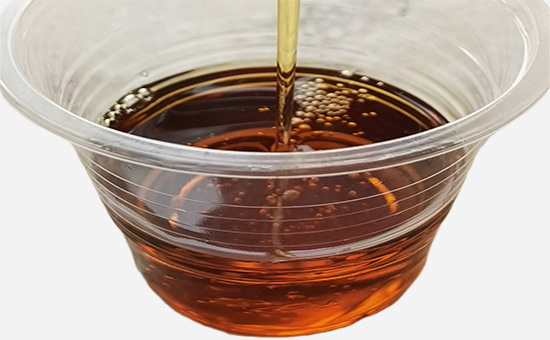
When isoprene recycled rubber and natural rubber are used together to produce bicycle inner tubes, it is recommended to first plasticize the natural rubber separately, and then mix it with isoprene recycled rubber, and then add small materials, reinforcements, softeners, and vulcanizing agents in turn. The mixing temperature should be controlled below 130°C to avoid scorching the rubber material. The extrusion temperature of the inner tube compound is controlled at 80-100°C, and the extrusion speed is stable. The vulcanization temperature is controlled at 150-160°C, and the vulcanization time is determined according to the thickness of the inner tube wall, generally 8-15 minutes.
The performance of isoprene recycled rubber is highly similar to that of natural rubber, and has good air tightness and anti-aging, replacing some natural rubber to produce bicycle inner tubes can not only reduce the cost of raw materials, but also improve the performance of rubber processing technology and the aging resistance of finished products, and reduce production energy consumption. The reasonable use of isoprene recycled rubber in bicycle inner tubes with butyl rubber as the main raw material can also improve the problems of slow vulcanization speed and poor adhesion of butyl rubber.
Exclusive original article [commercial authorization] reprint, excerpt and excerpt in any form are prohibited without written authorization. Focus on Hongyun rubber: learn the process formula and raw material technology of producing rubber products from recycled rubber to help you reduce costs and increase profits