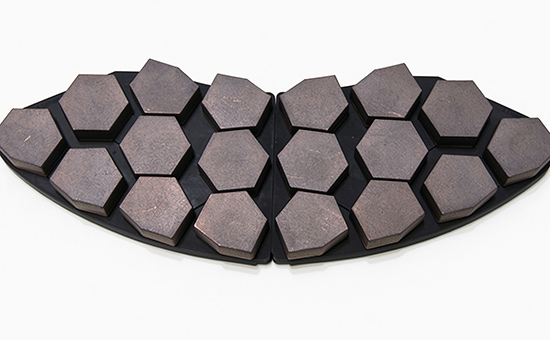
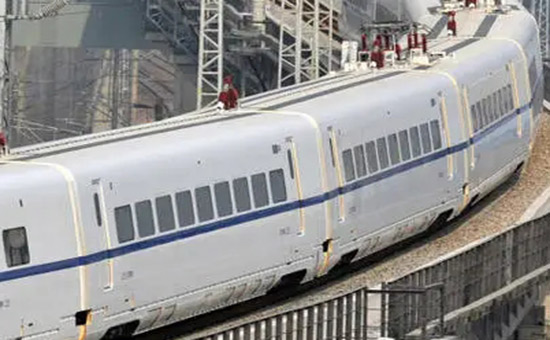
High-speed rail brake pads are key friction materials in the braking system of high-speed trains. The stability of the coefficient of friction, heat resistance, wear resistance, and resistance to thermal fade are directly related to train operation safety. Recycled rubber powder is made from waste rubber as raw material, processed mechanically, crushed or ground, and can be combined with other polymer materials to produce new materials, with high-speed rail brake pads being one of them. In actual production, which types of rubber powder can be used in high-speed rail brake pad manufacturing, and what issues should be noted?
1. The role of recycled rubber powder in high-speed rail brake pads
High-speed rail brake pads are powder metallurgy or resin-based composite friction materials, typically composed of resin binders, reinforcing fibers, friction adjustment components, and various fill E6LYY7810 ers. Adding an appropriate amount of reclaimed rubber powder can further improve the overall performance of brake pads. Reclaimed rubber powder has good elasticity and can absorb frictional vibration energy during braking, providing noise reduction and vibration reduction, improving the low friction coefficient at low temperatures caused by the brittle resin matrix, and reducing chip loss and edge chipping caused by thermal stress during braking; The rubber-based friction film formed on the friction surface of brake pads with recycled rubber powder is softer, reducing scratches on the brake disc.
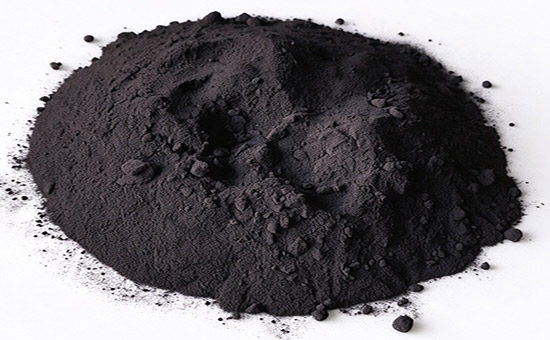
2. What recycled rubber powder can be blended into high-speed train brake pads?
During operation, the friction interface of high-speed rail brake pads generates high temperatures, and the rubber components may undergo thermal softening, thermal decomposition, or carbonization, thereby affecting the coefficient of friction, material strength, and wear condition. Different varieties of reclaimed rubber powder vary in rubber composition, crosslinking degree, particle size, and ash content, resulting in varying modification effects in high-speed rail brake pads.
(1) Tire rubber powder
The raw material of tire rubber powder is the tire rubber part, mainly containing natural rubber, styrene-butadiene rubber, cis-butadiene rubber, and carbon black. Tire top powder processed from tires with tires above 900 grade has characteristics such as high natural rubber content, good elasticity, high strength, and low ash and impurities, making it suitable for high-speed train brake pad manufacturing with better modification effects.
(2) Nitrile rubber powder
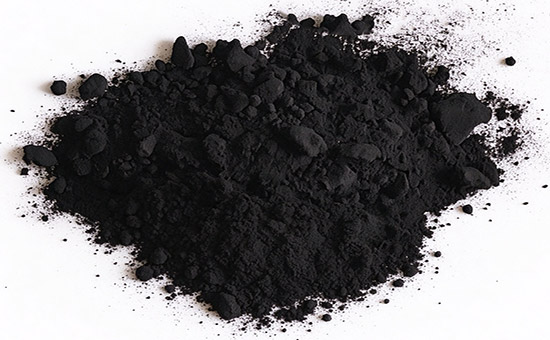
Nitrile rubber powder is made from waste nitrile rubber and its products as raw materials. It has excellent oil resistance and elasticity, good compatibility with the resin matrix, and can evenly disperse in phenolic resin to form an "island structure." The sound reduction effect lasts longer, does not migrate or precipitate, effectively absorbs braking vibration energy, suppresses low-frequency screeching and high-frequency whistling, stops crack propagation, and improves low-temperature elasticity.
3. What precautions should be taken when mixing recycled rubber powder into high-speed rail brake pads?
When adding recycled rubber powder to high-speed train brake pads, it is not enough to consider only the price and physical properties at room temperature; high-temperature stability and compatibility with the resin bonding system must also be considered. Whether recycled rubber powder can be used for high-speed railway brake pads depends not on the amount added, but on whether it can form a stable friction material structure with other components, especially particle size and dispersibility, heat resistance and thermal stability, interfacial bonding performance, and friction and wear properties.
The particle size of recycled rubber powder affects its dispersion state and interfacial bonding in the matrix, and uneven particle size easily causes local performance differences; Rubber components may decompose under high temperatures, affecting material strength, coefficient of friction, and wear state; The bonding state among rubber powder and resin, fibers, and other fillers affects the internal strength and stability of the product; When using rubber powder for modification of high-speed railway brake pads, tests under different speed, pressure, and temperature conditions are needed to evaluate the coefficient of friction, wear amount, and thermal decay.
Proper use of tire rubber powder or nitrile powder in high-speed rail brake pads can improve overall performance and effectively reduce production costs.
Exclusive original article [commercial authorization] reprint, excerpt and excerpt in any form are prohibited without written authorization. Focus on Hongyun rubber: learn the process formula and raw material technology of producing rubber products from recycled rubber to help you reduce costs and increase profits