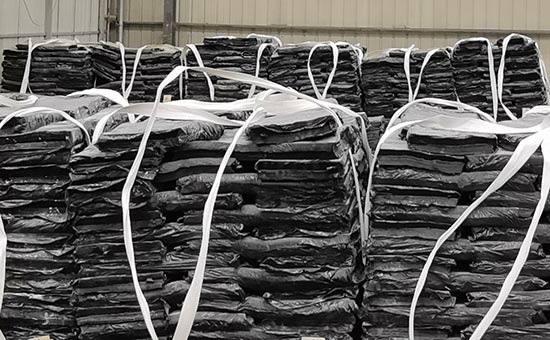
Reclaimed rubber is made from waste rubber, has certain plasticity and stickiness, and can be reprocessed and vulcanized. It is currently the mainstream material used in the rubber products industry to reduce costs. Chlorinated polyethylene (CPE) rubber has good heat, ozone, weather, and oil resistance, and is compatible with other polymers. It can be used together with reclaimed rubber to lower production costs of CPE rubber products and improve processing performance. It’s important to note that when using reclaimed rubber with CPE rubber, the design of the vulcanization system is crucial.
1. Issues to consider when selecting a vulcanization system for reclaimed rubber/CPE rubber blends
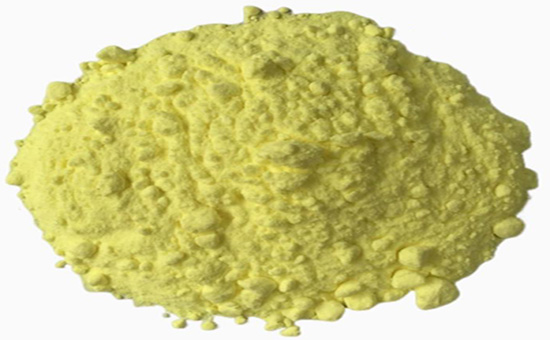
Since the main chain of CPE rubber has almost no double bonds, ordinary sulfur vulcanization is almost ineffective for pure CPE. Peroxide vulcanization is recommended. Reclaimed rubber retains a large number of residual double bonds and can use either sulfur or peroxide vulcanization systems. When blending reclaimed rubber with CPE, a combined sulfur-peroxide system can be used, preferably with peroxide as the main agent (1.5-3 parts) and a small amount of sulfur (0.2-0.3 parts).
2. Tips for vulcanizing reclaimed rubber/CPE rubber blends using a sulfur-peroxide system
(1) During vulcanization, peroxide cross-links via hydrogen abstraction by free radicals. If the temperature is too low or vulcanization is incomplete, the compound remains undercured and sticky, and the strength won’t reach the desired level. If the temperature is too high, over-vulcanization may lead to brittleness and bubbling. Therefore, the proper vulcanization time should be monitored using a rotorless vulcameter.
(2) When the sulfur amount is too high and the peroxide proportion too low, CPE rubber does not cross-link sufficiently, while reclaimed rubber over-vulcanizes. This lowers tensile strength and increases high-temperature compression set. Sulfur is generally kept among 0.2-0.3 parts and should not exceed 0.5 parts.
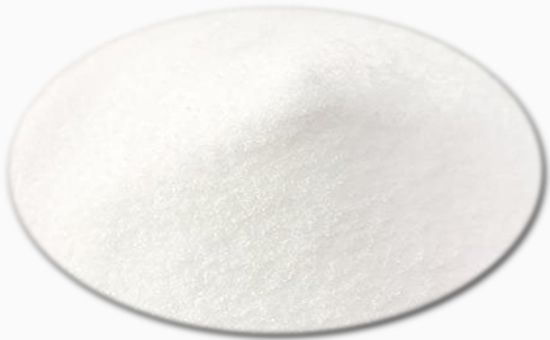
(3) A cross-linking aid should be used, commonly TAIC, which improves peroxide radical utilization and promotes cross-linking. Use 2-3 parts. Too little TAIC results in insufficient cross-link density and average strength; too much leads to self-polymerization, causing cracks to propagate along it, reducing tear strength.
3. Key points for mixing and vulcanizing reclaimed rubber/CPE rubber blends
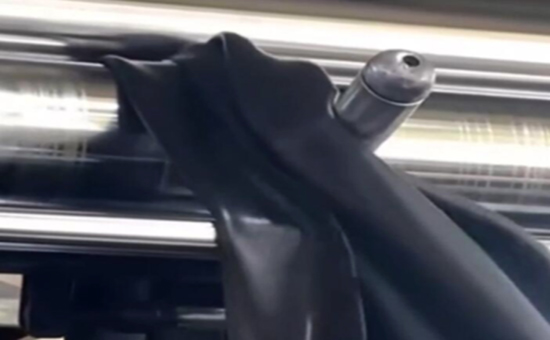
When blending reclaimed rubber with CPE rubber, a two-roll mill can be used. It’s recommended to plastically process CPE rubber first at 90°C, then lower the roll temperature to 60°C before adding reclaimed rubber. Pass through the mill 5 times to initially mix the two phases. Add ingredients in the order: stearic acid → zinc oxide → magnesium oxide → stabilizer → sulfur → DCP, and finally TAIC. Tighten the roll gap to 0.5 mm and pass the triangle sheet 5 times. Under 150°C and 10 MPa, the cure time (t90) slightly shortens with more TAIC; in practice, adjust the curve ahead or behind by 5-10 seconds to avoid under- or reversion vulcanization.
The cross-linking of reclaimed rubber/CPE blends highly depends on the vulcanization system. Improper choice can result in uneven cross-linking, decreased physical properties, and excessive high-temperature compression set. The sulfur-peroxide ratio and cross-linking aid should be reasonably determined according to actual needs to reduce costs while further improving the comprehensive performance of the reclaimed rubber/CPE blend.
Exclusive original article [commercial authorization] reprint, excerpt and excerpt in any form are prohibited without written authorization. Focus on Hongyun rubber: learn the process formula and raw material technology of producing rubber products from recycled rubber to help you reduce costs and increase profits