
When using reclaimed rubber to produce low-cost rubber products, appropriate amounts of softeners or plasticizers can further improve the softness, plasticity, flowability, and adhesion of the compound, as well as improve the dispersion and processing performance of the reclaimed rubber compound. In actual production, different types of softeners have different performance characteristics. Manufacturers of recycled rubber products need to comprehensively consider multiple factors such as the compatibility of softeners and plasticizers with the compound compound, their impact on vulcanization characteristics, risks of migration and extraction, and contamination of the product's appearance.
Common types of softening plasticizers for reclaimed rubber products include petroleum-based, coal-tar, pine tar, fatty oil-based plasticizers, and synthetic plasticizers.
1. Common petroleum-based plasticizer varieties and characteristics for reclaimed rubber products
Petroleum-based plasticizers mainly include aromatic oil, streak alkane oil, and naphthenic oil. They have good dilution capacity and relatively mild chemical properties, allowing adjustment of the hardness and flowability of reclaimed rubber compounds.
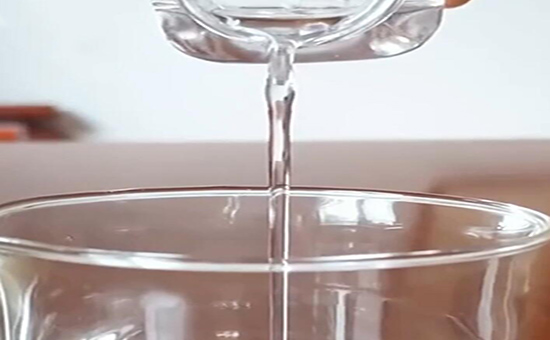
Aromatic oil has good compatibility with reclaimed rubber; vulcanized reclaimed rubber can maintain high tensile strength but carries risks of contamination and discoloration, suitable for producing black and dark reclaimed rubber E6LYY122 products; Streptoalkane oil has a light color and low pollution, making it suitable for light-colored reclaimed rubber products; The compatibility among naphthenic oil and reclaimed rubber lies among that of streakalkane oil and aromatic oil, resulting in low pollution. It is a widely used reclaimed rubber softener in the production of latex and tire reclaimed rubber, mainly serving to regulate the hardness and flowability of the reclaimed rubber compound.
2. Common types and characteristics of coal tar-based plasticizers in recycled rubber products
Coal tar-based plasticizers mainly include coal tar, coal marone resin, and coal tar, containing phenolic groups or active nitrides. They are highly compatible with reclaimed rubber and can improve aging resistance, but inhibit vulcanization accelerators. Vulcanized rubber is highly brittle, low-temperature brittle.
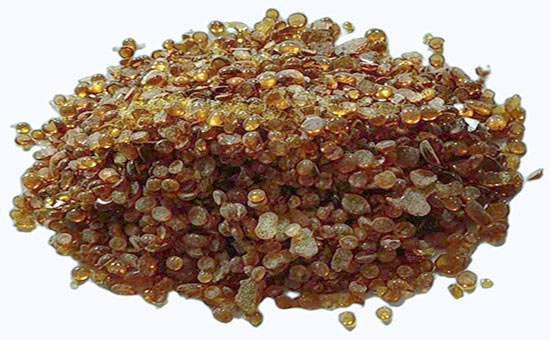
In the production of reclaimed rubber products, coumarone resin serves as both a plasticizer and a tackifier. Solid coumarone with a softening point of 75-135°C serves both as a plasticizer and auxiliary reinforcement, with a dosage of no more than 15 parts. It is suitable for blending reclaimed rubber to produce products with high adhesion requirements, such as tapes and rubber sheets. Coal tar, due to its strong irritating odor, easy migration, yellowing of the product, and high pollution, has gradually been replaced by petroleum asphalt and aromatic oil blended products, which have milder odors.
3. Common types and characteristics of pine tar-based plasticizers used in reclaimed rubber products
Pine tar-based plasticizers include pine tar, rosin, rosin oil, and tall, mostly containing organic acid groups, which can improve the adhesion of reclaimed rubber compounds, promote the dispersion of reclaimed rubber additives, and slow down the vulcanization process of reclaimed rubber. When mixing reclaimed rubber, using pine tar-based plasticizers can improve the dispersion of fillers and vulcanizing agents, so the vulcanization system should be adjusted accordingly to ensure sufficient vulcanization of the reclaimed rubber.
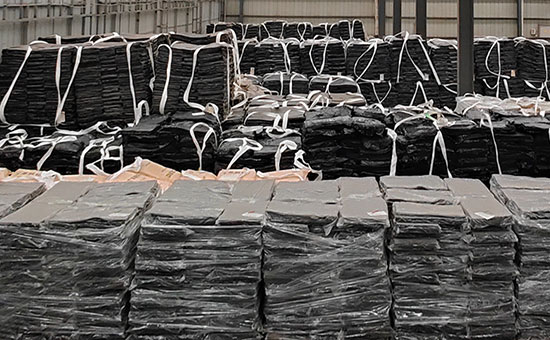
Pine tar causes minimal pollution, has no irritating odor, and is highly compatible with natural rubber. It is an ideal plasticizer for latex reclaimed rubber, tire reclaimed rubber, and light-colored or eco-friendly products; Tall oil is a by-product of the paper industry, with a milder odor than pine tar, making it suitable for producing odorless recycled rubber products.
4. Common types and characteristics of fat-based plasticizers in recycled rubber products
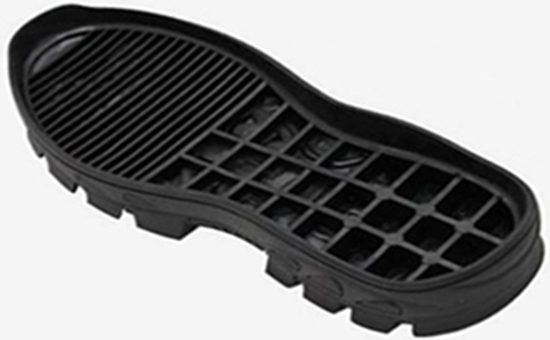
Fatty oil-based plasticizers include vegetable oils and animal-derived fatty acids such as stearic acid. Fatty acids help disperse active fillers and reinforcing agents such as carbon black, improve the wear resistance of reclaimed rubber materials, and also act as vulcanizing activators. When using reclaimed rubber to produce rubber soles, wear-resistant sealing rings, and other products, fatty oil-based plasticizers can be used, often combined with petroleum-based plasticizers.
5. Common types and characteristics of synthetic plasticizers used in reclaimed rubber products
Synthetic plasticizers can generally be classified as phthalates, fatty dicarboxylic acid esters, fatty acid esters, phosphate esters, polyesters, epoxys, chlorine-containing types, etc.; Common synthetic plasticizers in the production of reclaimed rubber products include dibutyl phthalate (DBP) and dioctyl phthalate (DOP); Cold-resistant plasticizers include sabanoate, and flame-resistant plasticizers include triphenyl phosphate and chlorinated paraffin.
When selecting plasticizers for reclaimed rubber products, it is not recommended to use a single plasticizer alone, as it is difficult to balance processability, vulcanization efficiency, product properties, and production costs. It is recommended to adopt a softening plasticizer system that combines two or more plasticizers, which can fully leverage the low-cost raw material advantages of reclaimed rubber while further improving processing stability and expanding the application range of reclaimed rubber in rubber product manufacturing.
Exclusive original article [commercial authorization] reprint, excerpt and excerpt in any form are prohibited without written authorization. Focus on Hongyun rubber: learn the process formula and raw material technology of producing rubber products from recycled rubber to help you reduce costs and increase profits