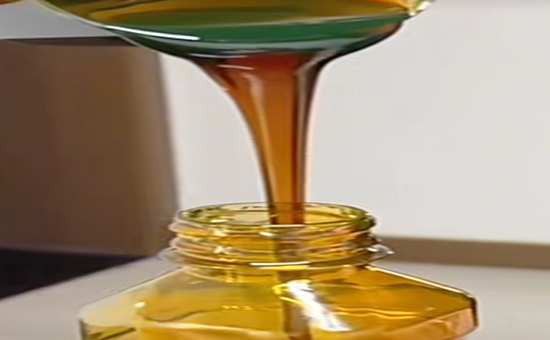
Reasonable use of softeners in the production of reclaimed rubber products can improve both the processing performance of the compound and the physical and mechanical properties of the reclaimed rubber products, thereby reducing production costs. Common types of reclaimed rubber on the market include latex reclaimed rubber, tire reclaimed rubber, nitrile reclaimed rubber, EPDM reclaimed rubber, and butyl reclaimed rubber. Different varieties of reclaimed rubber have different molecular polarity, physical properties, and processing performance, resulting in significant differences in the types of softeners used in rubber product production.
1. Common types of softeners for latex reclaimed rubber products
Latex reclaimed rubber is made from waste natural rubber, waste latex, and their products as raw materials. The molecular chain mainly consists of polyisoprene. Using an appropriate amount of softener can improve the viscosity, softness, and flowability of the compound compound. Common softeners include pine tar and petroleum-based softeners.
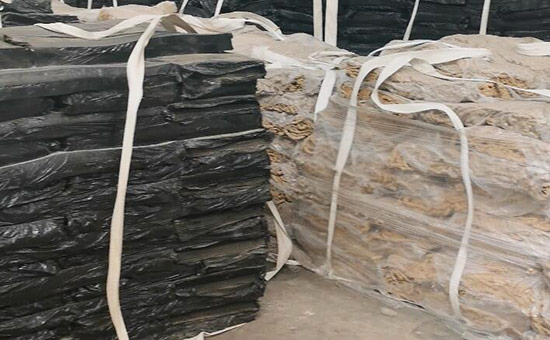
(1) Pine tar can significantly improve the adhesion of latex reclaimed rubber products, creating better conditions for subsequent rolling and extrusion operations, but it will affect the color of the reclaimed rubber products to some extent and is not suitable for light-colored or colored latex reclaimed rubber products. (2) Petroleum-based softeners can effectively reduce the hardness of latex reclaimed rubber and improve mixing dispersibility. Common examples include aromatic oil, naphthenic oil, and paraffin oil; Aromatic oils are polluting and are not suitable for light-colored or colored latex reclaimed rubber products.
2. Common types of softeners for tire reclaimed rubber products
Tire reclaimed rubber is made from waste tire rubber powder as raw material, with main components including natural rubber, general-purpose synthetic rubber, and carbon black. When choosing a softener, attention should be paid to the synergistic effect with residual additives in the compound; The commonly used softeners for tire reclaimed rubber products are mainly petroleum-based oils, including aromatic oils, naphthenic oils, and paraffin oils.
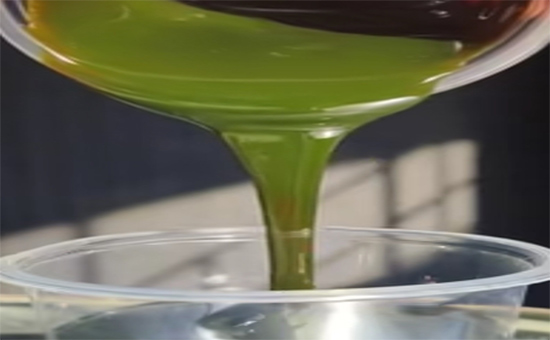
Aromatic oil has good compatibility with tire reclaimed rubber, resulting in outstanding plasticizing effects; Naphthenic oil has a lighter color, suitable for products with certain color requirements; Paraffin oil has high saturation and causes minimal interference to the vulcanization system.
3. Common types of softeners for nitrile reclaimed rubber products
Nitrile reclaimed rubber is processed from nitrile die head rubber, sub-brand nitrile rubber, or waste nitrile rubber products. The molecule contains polar cyano groups, and generally, softening plasticizers are used to improve the processing performance of the compound. Common plasticizers for nitrile reclaimed rubber products include di-butyl phthalate (DBP), dioctyl phthalate (DOP), and triptylene phosphate (TCP). These not only improve the plasticity and flowability of the compound, but also enhance the elasticity and wear resistance of nitrile reclaimed rubber.
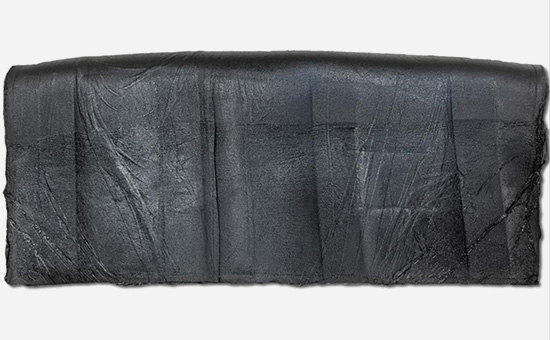
For nitrile reclaimed rubber products with high adhesion requirements, coumalong resin can be used, especially suitable for products requiring good adhesion; In extruded products, grease can be used to reduce the shrinkage rate of the rubber compound and improve the surface finish of reclaimed rubber products, but the grease reduces the physical and mechanical properties of nitrile reclaimed rubber products, as well as their heat resistance and aging resistance. Liquid nitrile rubber and polyester plasticizers can prevent extraction; Dioctyl sebate and dioctyl adinate have excellent cold resistance.
4. Common types of softeners for EPDM reclaimed rubber products
EPDM reclaimed rubber is made from EPDM die rubber, unvulcanized EPDM rubber, or waste EPDM rubber products. The main component is EPDM rubber, with the molecular backbone composed of saturated ethylene and propylene segments. The commonly used softening plasticizer is petroleum-based softening oil, including aromatic oil, naphthenic oil, and paraffin oil, with paraffin oil being the most suitable.
Paraffin oil can effectively reduce the Mooney viscosity of EPDM reclaimed rubber compound, improve the performance of mixing, extrusion, and molding processes, has minimal impact on the aging resistance of the compound, has good compatibility with EPDM reclaimed rubber E5LYY1231, and is less likely to cause frost when filled with large quantities. Comarone resin, pine tar, ester plasticizers, and low molecular weight polymers can also be used in EPDM reclaimed rubber products; Coumalongs resin can improve the adhesion and processing properties of the compound, while pine tar provides better plasticity and tackiness.
5. Common types of softeners for butyl reclaimed rubber products
Butyl reclaimed rubber is made from waste butyl inner tubes, has high molecular saturation, and must use saturated softeners, including paraffin, aliphatic, and aromatic hydrocarbons; Avoid using unsaturated plasticizers such as rosin or pine tar, as these slow down the vulcanization of butyl rubber and seriously affect production efficiency and product performance. The effects of petroleum-based rubber oil and ester plasticizers on the physical properties of butyl reclaimed rubber vulcanized rubber are as follows.
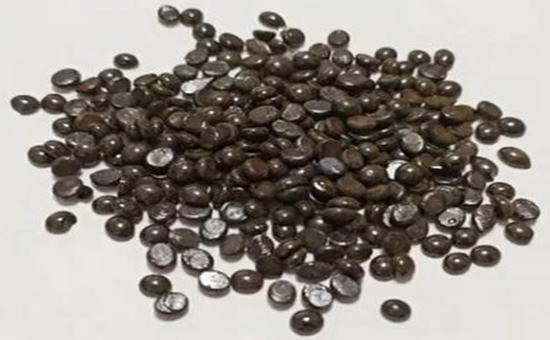
(1) Adding paraffin oil reduces the tensile strength, constant tensile stress, and hardness of the butyl reclaimed rubber vulcanized rubber, while increasing elongation; Mooney viscosity decreases, and moonny burning time increases; Extrusion performance has been improved to some extent; Resistant to ozone, compression deformation, and reduced heat resistance. (2) Adding ester plasticizers improves the low-temperature performance of butyl reclaimed rubber, with effects varying depending on the oil type; Resistance to compression permanent deformation and reduced heat resistance.
When producing rubber products mainly from reclaimed rubber, manufacturers must follow the principle of "similar dissolving and similar solubility" to choose appropriate types of reclaimed rubber softeners, effectively reducing raw material costs and cutting production energy consumption while ensuring the performance of rubber products.
Exclusive original article [commercial authorization] reprint, excerpt and excerpt in any form are prohibited without written authorization. Focus on Hongyun rubber: learn the process formula and raw material technology of producing rubber products from recycled rubber to help you reduce costs and increase profits