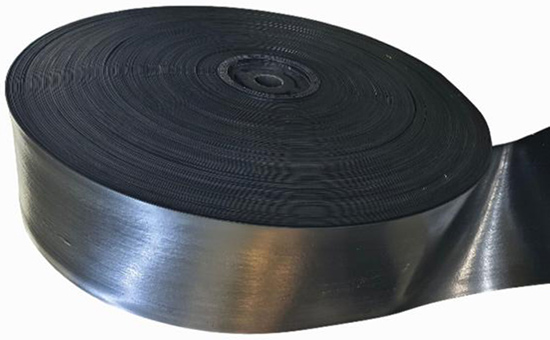
Regenerated rubber, as a recycled resource of waste rubber, is currently the main raw material for reducing costs in the rubber products industry. Butyl rubber has excellent air tightness, heat resistance, and chemical corrosion resistance, and is widely used in the production of heat-resistant rubber conveyor belts. However, the high price of butyl rubber, combined with complex vulcanization systems and high energy consumption during processing, leads to excessive costs for pure butyl rubber heat-resistant conveyor belts. So, can regenerated butyl rubber be used in butyl rubber heat-resistant conveyor belts, and which regenerated rubbers can be used to produce heat-resistant rubber conveyor belts? What should be considered?
1. Which regenerated rubbers can be mixed with butyl rubber heat-resistant conveyor belts to reduce costs
How can butyl rubber heat-resistant conveyor belts use regenerated rubber to reduce costs and improve efficiency without compromising heat resistance? The key is in the choice of regenerated rubber:
(1) Regenerated butyl rubber: made from waste butyl inner tubes, it retains the basic properties of butyl rubber, has good compatibility with original butyl rubber, and can replace part of the original butyl rubber in producing various rubber layers of heat-resistant conveyor belts, reducing raw material costs.
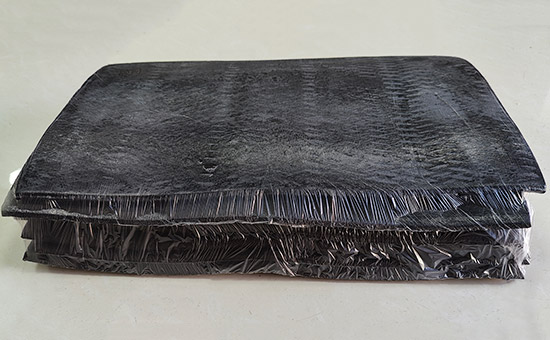
(2) Regenerated EPDM rubber: made from EPDM headstock rubber, unvulcanized EPDM rubber, or waste EPDM rubber sealing strips, it has high and low temperature resistance and aging resistance. It can be used together with butyl rubber and regenerated butyl rubber to produce heat-resistant conveyor belts, which reduces costs while addressing the problem of aging and softening sticky butyl rubber, extending the conveyor belt’s service life.
(3) Regenerated chlorobutyl rubber: made from waste medical butyl stoppers, it has good airtightness, heat resistance, flexibility, and chemical corrosion resistance, and better compatibility with butyl rubber, chlorobutyl rubber, and EPDM than ordinary regenerated butyl rubber. Adding an appropriate amount of regenerated chlorobutyl rubber to butyl rubber heat-resistant conveyor belts can reduce production costs.
2. Considerations for using regenerated rubber to reduce the production cost of heat-resistant rubber conveyor belts
(1) Reasonably control the amount of regenerated rubber in heat-resistant conveyor belts
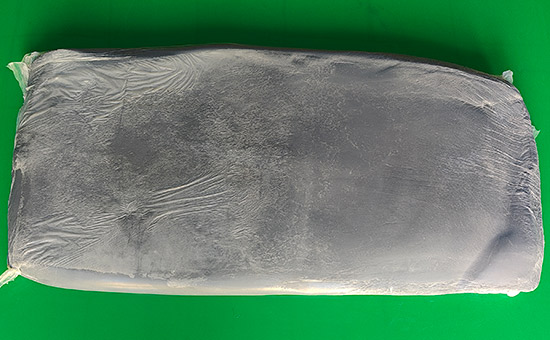
When using regenerated butyl rubber, regenerated EPDM, or regenerated chlorobutyl rubber to reduce costs in a butyl rubber heat-resistant conveyor belt formula, the specific performance requirements of the conveyor belt and the physical properties of the regenerated rubber must be considered to reasonably control the proportion of regenerated rubber added, typically 20%-50%. Ordinary butyl rubber heat-resistant conveyor belts can increase the proportion of regenerated rubber, while high-performance products should slightly reduce it to balance cost and performance.
(2) Key points for formulating butyl rubber heat-resistant conveyor belts with regenerated rubber
When using regenerated butyl rubber in the formula to reduce costs, a low-sulfur/high-accelerator vulcanization system (e.g., sulfur + TMTD + DM, sulfur ≤1 part) or phenolic resin vulcanization like E6LYY414 can be used; these vulcanized rubbers have better heat resistance than traditional sulfur vulcanization systems. Using N550 carbon black enhances strength, disperses well, provides high stiffness, and ensures good high-temperature performance and thermal conductivity. High molecular softeners like polyisobutylene and GuMaLong resin improve processability and tear resistance, with GuMaLong resin ≤5 parts to avoid affecting performance. Phenolic anti-aging agent 2246 can inhibit fatigue aging, enhancing durability at high temperatures.
(3) Key points of production processes for conveyor belts using regenerated rubber
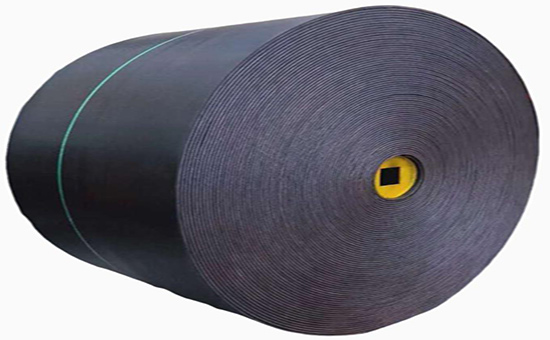
When using regenerated rubber to reduce costs, it does not need mastication and can be directly mixed with the original rubber and auxiliaries, shortening time and reducing energy consumption. Adjust temperature and time according to the vulcanization system; resin vulcanization requires higher temperature (150-160°C), and low-sulfur systems may use slightly lower temperatures.
Heat-resistant conveyor belts require good heat resistance and should not crack or age quickly under high temperatures. Using regenerated rubber with butyl rubber in production can improve processability (such as cutting and rolling issues), while using EPDM regenerated rubber together can further enhance the heat and aging resistance of the conveyor belt. We will continue to share practical formulas for butyl rubber heat-resistant conveyor belts mixed with regenerated rubber in future posts.
Exclusive original article [commercial authorization] reprint, excerpt and excerpt in any form are prohibited without written authorization. Focus on Hongyun rubber: learn the process formula and raw material technology of producing rubber products from recycled rubber to help you reduce costs and increase profits