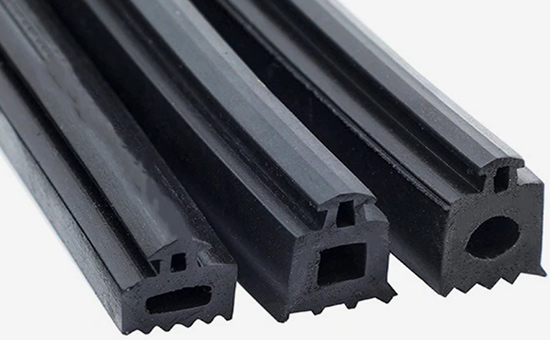
EPDM reclaimed rubber has excellent resistance to high and low temperatures, ozone, and weathering, and can fully or partially replace EPDM base rubber in rubber products, effectively reducing raw material costs. Using peroxide vulcanization of EPDM reclaimed rubber and vulcanized adhesive to generate high-energy C-C crosslinked bonds, it can impart excellent heat resistance, extremely low compression set, and excellent chemical stability to the product; However, a common question arises: Does the EPDM reclaimed rubber peroxide vulcanization system use stearic acid and zinc oxide?
1. Differences among zinc oxide and stearic acid in EPDM reclaimed rubber peroxide and sulfur vulcanization systems
When reclaimed EPDM reclaimed rubber products are vulcanized with sulfur, zinc oxide and stearic acid participate in the vulcanization activation process, forming an effective activation system with accelerators, making them commonly used activators. When using peroxide vulcanization E6LYY416, organic peroxides mainly rely on the thermal decomposition of organic peroxides to generate free radicals, triggering crosslinking among the molecular chains of EPDM rubber, and vulcanization is basically complete without relying on zinc oxide or stearic acid. Therefore, it is not necessary to add zinc oxide or stearic acid to the EPDM reclaimed rubber formulation peroxide vulcanization system.
2. Whether or not stearic acid is added to the peroxide vulcanization system of EPDM reclaimed rubber
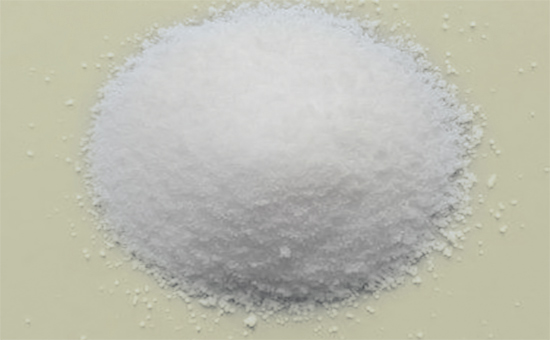
The main role of stearic acid in EPDM reclaimed rubber formulations is lubrication, dispersion, and improvement of processing performance. In sulfur vulcanization systems, it can participate in zinc oxide activation; When EPDM reclaimed rubber is vulcanized with peroxides, if the compounding, dispersion, and extrusion properties of the compound already meet requirements, there is no need to forcibly add stearic acid for "activated vulcanization"; Especially for EPDM reclaimed rubber products requiring heat resistance and low compression permanent deformation, formulation design should focus on peroxide crosslinking efficiency rather than mechanically increasing stearic acid.
As a cheap dispersant and fluidizer, stearic acid is almost ineffective for peroxide vulcanization in EPDM reclaimed rubber when used in small amounts (less than 1 part). Stearic acid plays a certain role in dispersing fillers, helping them disperse better and reducing roll sticking during mixing, thereby improving process performance. Combining a small amount of stearic acid can promote ZnO dispersion, but excessive dosage (more than 3-5 parts) can affect peroxide vulcanization, reduce crosslinking bonds, and increase the risk of migration and precipitation of low molecular weight substances in the formulation. So the amount used must be well controlled.
3. Whether zinc oxide is added to the peroxide vulcanization system of EPDM reclaimed rubber is not added
Zinc oxide has good heat resistance and, in some rubber formulations, can improve the overall performance of the compound. In the peroxide vulcanization of EPDM reclaimed rubber, zinc oxide is not the core material that determines whether vulcanization can proceed normally.
When EPDM reclaimed rubber uses peroxide as the main vulcanizing agent, indicators such as the cemented vulcanization state, hardness, tensile strength, and permanent compression deformation of the compound have already been met. Zinc oxide can be reduced or even omitted according to actual needs. If EPDM reclaimed rubber products require heat resistance, dimensional stability, or other comprehensive properties, a small test comparison can be made before and after the addition of vulcanization curves, hardness, tensile properties, and compression permanent deformation before and after application, and then a reasonable dosage can be determined.
In highly vulcanized peroxide systems, if ZnO is not added, thermal tearing performance is poor and the product is difficult to demold. Therefore, adding ZnO is beneficial for hot tearing.
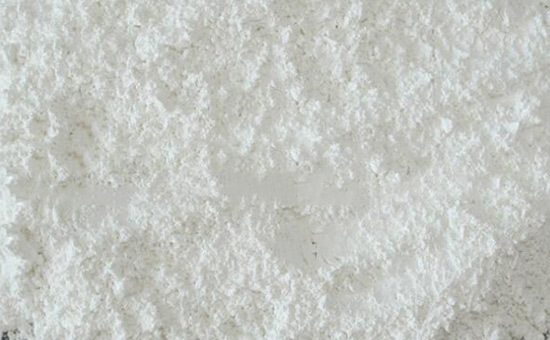
When using EPDM reclaimed rubber to produce rubber sealing strips and rings, the main advantages of peroxide vulcanization lie in heat resistance and compression permanent deformation control. The "basic formulation—small-scale comparison—performance verification" method can be adopted. Several schemes were set, including no zinc oxide and stearic acid, only zinc oxide, or a combination of zinc oxide with a small amount of stearic acid, comparing Mooney viscosity, vulcanization curve, hardness, tensile strength, elongation at break, and permanent compression deformation. For EPDM reclaimed rubber products, it is also necessary to observe the processing properties, extrusion surface, and performance changes after long-term thermal aging.
When EPDM reclaimed rubber is vulcanized with peroxides, stearic acid is not essential, and zinc oxide does not necessarily have to follow the fixed sulfur system formula. Whether and how much can be added depends on the raw material state, processing performance, and final product indicators of EPDM reclaimed rubber. The key to truly achieving stability and low cost in formulas is not "adding one less material," but avoiding unnecessary additive stacking, ensuring stable cross-linked structures and product performance.
Exclusive original article [commercial authorization] reprint, excerpt and excerpt in any form are prohibited without written authorization. Focus on Hongyun rubber: learn the process formula and raw material technology of producing rubber products from recycled rubber to help you reduce costs and increase profits