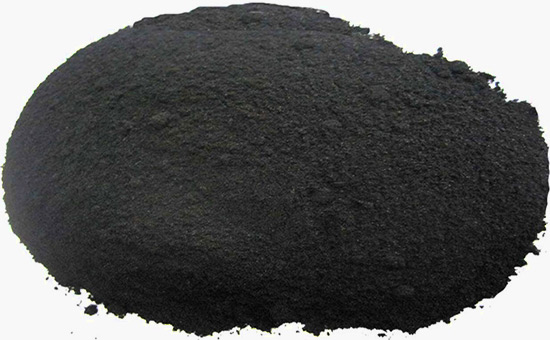
Rubber powder is made from waste rubber products (mainly used tires) as raw materials, processed through methods such as room temperature crushing, freezing, or mechanical grinding. It can be added to rubber soles to reduce raw material costs. According to the source of the raw materials, rubber powder can be divided into tire rubber powder, latex rubber powder, nitrile rubber powder, ethylene-propylene-diene rubber powder, etc. Which rubber powders can be used in the production of rubber soles? What types of rubber soles contain rubber powder, and what is the appropriate amount to use?
1. Rubber soles containing tire rubber powder
Tire rubber powder is processed from the rubber part of waste tires and has characteristics such as good elasticity, high toughness, wear resistance, and aging resistance. Its price is much lower than that of natural rubber and synthetic rubber. Filling rubber soles with rubber powder can effectively reduce raw material costs. The vulcanizing agents in the rubber powder can participate in secondary vulcanization, providing good reinforcement effects and further improving the wear resistance, slip resistance, and aging resistance of the rubber soles.
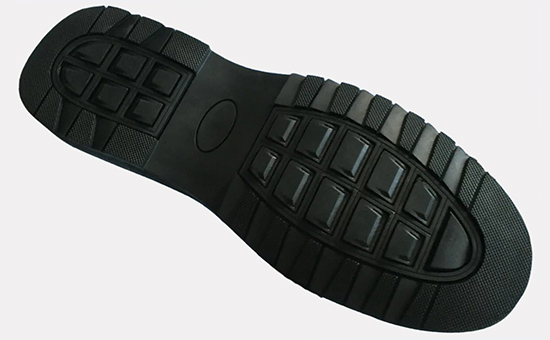
The proportion of recycled tire rubber powder added to rubber soles needs to be adjusted according to the type of sole: generally, for ordinary rubber shoes and work shoes, the bottom sole addition ratio can reach 20%-40%. For basketball shoes, sports shoes, and other soles with higher performance requirements, it is recommended to control it at 15%-20%, with an appropriate amount of carbon black for reinforcement to avoid affecting the wear resistance and tear resistance of the sole. Using tire rubber powder in the outsoles of anti-slip boots not only reduces raw material costs but also improves the shrinkage of thick soles and solves the vulcanization scorching problem of styrene-butadiene rubber.
2. Rubber soles containing latex rubber powder
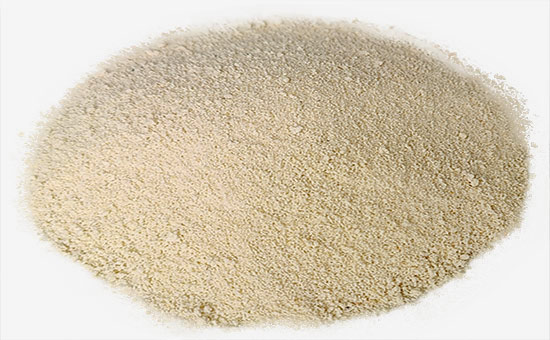
Latex recycled rubber powder is generally processed from latex threads, waste latex gloves, and other materials. It retains good elasticity, flexibility, and certain strength. Using it in the production of rubber soles (E5LYY125) can serve multiple purposes, such as increasing elasticity, improving toughness, and reducing cost. When rubber soles are reasonably filled with latex rubber powder, the finished product quickly returns to its original shape after compression, retains good flexibility and bendability in low-temperature and other harsh environments, resists cracking, and improves comfort and stability during walking.
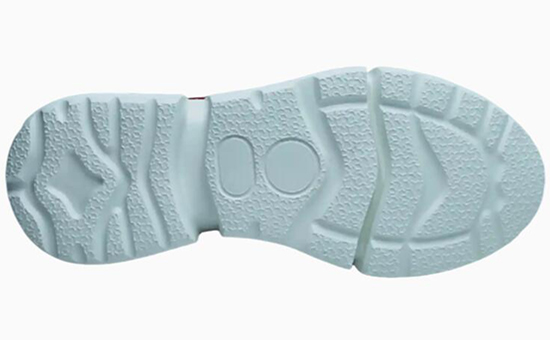
In ordinary rubber sole production, latex rubber powder can be used in appropriate amounts, such as for liberation shoes, sports shoes, leather shoes, casual shoes, work shoes, and fashion shoes (including rubber outsoles and midsoles). In particular, for light-colored medium to high-end rubber soles, it is recommended to use latex recycled rubber powder with a fineness of 60 mesh or higher. The finer the rubber powder, the larger the specific surface area and the more evenly it disperses in the rubber matrix, which can effectively improve the wear resistance and flexural performance of the rubber soles.
When filling rubber soles with rubber powder, the principle of compatibility should be followed: generally, black wear-resistant rubber soles are recommended to be filled with recycled tire rubber powder, while light-colored, high-elasticity rubber soles are recommended to contain more recycled latex rubber powder. By reasonably controlling the fineness and proportion of rubber powder and appropriately adjusting the rubber formula, the performance and cost of rubber soles can be balanced.
Exclusive original article [commercial authorization] reprint, excerpt and excerpt in any form are prohibited without written authorization. Focus on Hongyun rubber: learn the process formula and raw material technology of producing rubber products from recycled rubber to help you reduce costs and increase profits