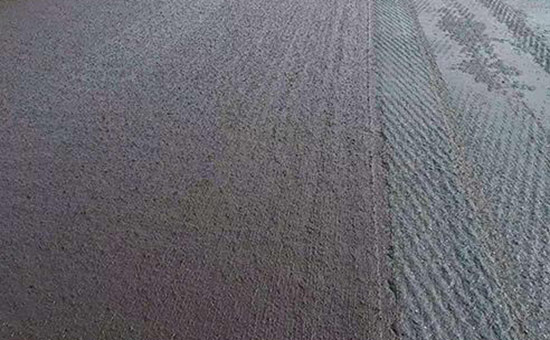
Rubber asphalt is a composite modified asphalt material formed by uniformly blending rubber powder with base asphalt through a specific process. By utilizing the thermal melting, swelling, and interaction among the rubber powder and asphalt, it improves the high-temperature performance, low-temperature performance, and elastic recovery of the asphalt. The source, mesh size, and content of the rubber powder directly affect various performance indicators of rubber asphalt, including viscosity, elastic recovery, toughness, penetration, and coating ability.
1. Impact of Rubber Powder Source on Rubber Asphalt Performance
When modifying asphalt with rubber powder, rubber powder made from bias tires with a high natural rubber content improves the performance of rubber asphalt better under the same conditions than rubber powder from radial tires with a high synthetic rubber content.
2. Impact of Rubber Powder Mesh Size on Rubber Asphalt Performance
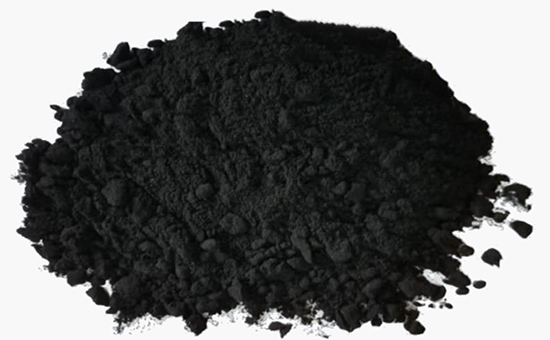
Different production processes result in different rubber powder mesh sizes, which have varying effects on the performance indicators of rubber asphalt. Generally, rubber asphalt modified with 80-mesh rubber powder has the best viscosity, elastic recovery, and toughness; the viscosity-temperature index is lowest at 40 mesh and increases with the fineness of the rubber powder; penetration index follows the order 120 mesh > 40 mesh > 80 mesh; penetration is highest at 40 mesh and decreases as the mesh becomes finer; the softening point is highest at 120 mesh and increases with fineness; and force ductility is highest at 40 mesh and decreases with increasing rubber powder fineness.
In rubber asphalt preparation, using 80-mesh rubber powder can improve the viscosity and elasticity of rubber asphalt, while 40-mesh rubber powder can enhance its temperature sensitivity.
3. Impact of Rubber Powder Content on Rubber Asphalt Performance
In actual production, the dosage of rubber powder is an important parameter affecting the performance indicators of rubber asphalt.
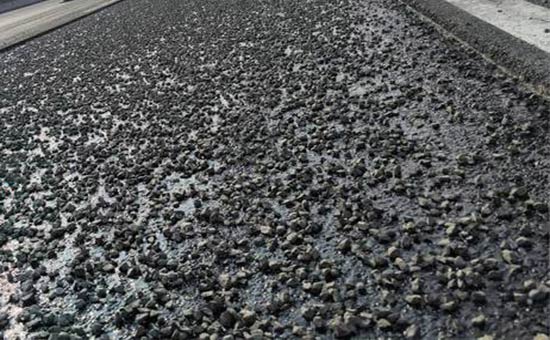
Generally, the viscosity of rubber asphalt increases with the amount of rubber powder; the viscosity-temperature index decreases as the rubber powder dosage increases; penetration increases with more rubber powder; the penetration index increases with the content; elastic recovery increases with higher dosage; force ductility increases with dosage; toughness peaks at a 20% rubber powder ratio; and coating ability increases with rubber powder content, showing significant growth after a 15% dosage.
When using rubber powder to modify asphalt, it is important to select the appropriate type of rubber powder according to actual needs and to reasonably choose the mesh size and dosage. At lower dosages, rubber asphalt mainly exhibits some properties of the base asphalt, while with higher dosages, it increasingly displays the properties of the rubber powder. It is recommended to use 40-80 mesh rubber powder, with the dosage controlled around 20%.
Exclusive original article [commercial authorization] reprint, excerpt and excerpt in any form are prohibited without written authorization. Focus on Hongyun rubber: learn the process formula and raw material technology of producing rubber products from recycled rubber to help you reduce costs and increase profits