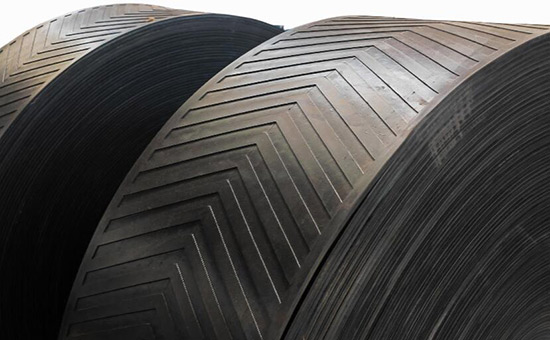
When using reclaimed rubber to produce rubber shoe soles, tires, rubber conveyor belts, drive belts, rubber sheaths, or reciprocating rubber seals, high abrasion resistance of the rubber compound is required. Abrasion resistance indicates a vulcanized rubber's ability to withstand material loss due to surface damage from friction, which results from a combination of various physical and mechanical properties of the rubber. To improve the abrasion resistance of products made from reclaimed rubber, manufacturers need to pay attention to the following four points when designing rubber compound formulations.
1. Choose Reclaimed Rubber with Good Abrasion Resistance
When producing wear-resistant rubber products with reclaimed rubber, it is recommended to choose reclaimed rubber with a high rubber content and good abrasion resistance, such as high-strength latex reclaimed rubber or tire tread reclaimed rubber E6LYY57. For oil-resistant and wear-resistant rubber products, nitrile reclaimed rubber can be used. To further improve abrasion resistance, reclaimed rubber can be blended with virgin rubber, including polybutadiene, styrene-butadiene rubber, natural rubber, nitrile rubber, and chloroprene rubber. Under normal wear conditions, natural rubber performs best; under high temperatures, styrene-butadiene rubber is preferable; and under high-speed conditions, polybutadiene is most suitable.
2. Use Fine Particle Carbon Black to Enhance Abrasion Resistance of Reclaimed Rubber Products
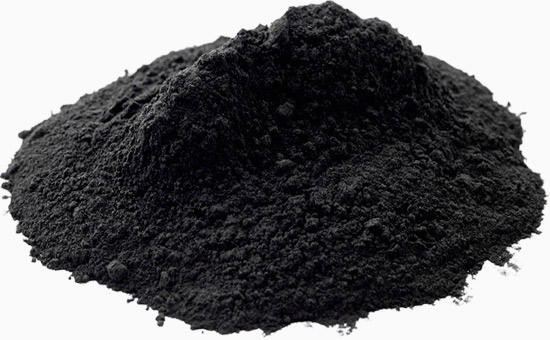
Carbon black is the most commonly used reinforcing agent in reclaimed rubber products. Fine-particle carbon black can effectively increase the abrasion resistance of reclaimed rubber. The best types are high-structure super abrasion-resistant and high abrasion-resistant furnace blacks, followed by normal-structure super abrasion-resistant, high abrasion-resistant furnace blacks, and channel blacks. When producing light-colored wear-resistant rubber products, silica with a particle size of 20nm can be used to improve abrasion resistance, as other white fillers generally do not perform well in this regard.
3. Reduce the Amount of Softening and Plasticizing Agents to Improve Abrasion Resistance of Reclaimed Rubber Products
When preparing wear-resistant rubber compounds using reclaimed rubber, softening and plasticizing agents should only be used as processing aids to help disperse fillers. The amount should not exceed 5 parts; using more will reduce the abrasion resistance of the vulcanized reclaimed rubber.
4. Use Anti-aging Agents to Improve Abrasion Resistance of Reclaimed Rubber Products
When producing rubber products with reclaimed rubber, reasonable use of anti-aging agents can improve the aging resistance of the compound and indirectly enhance abrasion resistance. Under typical environmental conditions, AW anti-aging agent offers the best abrasion resistance for latex and tire reclaimed rubber products, followed by D 4010 or D H anti-aging agents. Reactive anti-aging agent NDPA can improve abrasion resistance by approximately 15%-20% compared to ordinary anti-aging agents.
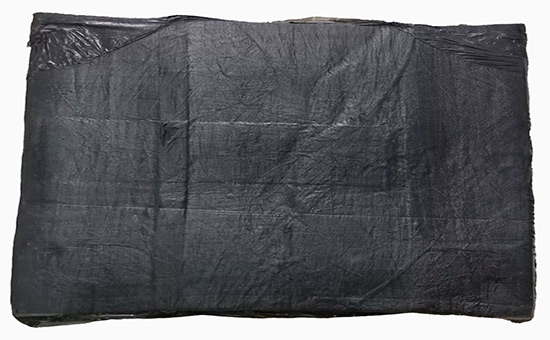
In actual production, abrasion resistance of reclaimed rubber products is not determined by a single factor; it is the result of the combined effects of reclaimed rubber type, reinforcement system, softening system, and anti-aging system. Manufacturers need to choose the right type of reclaimed rubber according to the specific working conditions of wear-resistant products (such as temperature, speed, and color requirements) and design rubber formulations accordingly. Within the framework of "high abrasion-resistant reclaimed rubber, fine particle carbon black, low softening agent, and efficient anti-aging agent," adjustments can be flexibly made to ensure product lifespan and performance while also achieving cost control and maximizing economic benefits.
Exclusive original article [commercial authorization] reprint, excerpt and excerpt in any form are prohibited without written authorization. Focus on Hongyun rubber: learn the process formula and raw material technology of producing rubber products from recycled rubber to help you reduce costs and increase profits