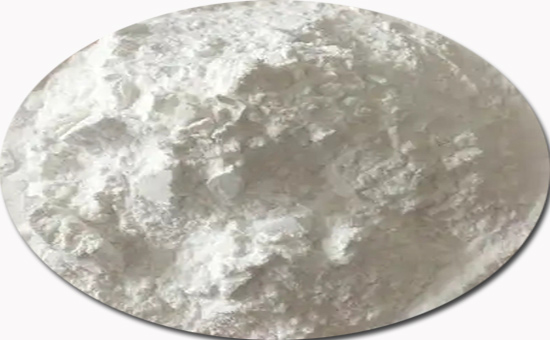
When using latex reclaimed rubber to produce white or colored rubber products, silica (white carbon black) is commonly used for reinforcement. Silica generally refers to white powdery amorphous silicon dioxide (silicic acid) and silicates. It has reinforcement properties in rubber similar to carbon black and is mainly used as a reinforcing and modifying agent in the rubber industry, with reinforcement effects better than other fillers besides carbon black. When using silica to reinforce reclaimed rubber products, the performance of silica affects the mixing process, Mooney viscosity, vulcanization process, and vulcanization performance of the reclaimed rubber.
1. Silica affects the mixing process of reclaimed rubber
When silica is used as a reinforcing agent in reclaimed rubber products, it easily forms a large amount of gel, causing the rubber to harden and generate a lot of heat. Therefore, during reclaim rubber mixing, silica should be added in batches to reduce heat generation and achieve better dispersion.
2. Silica affects the Mooney viscosity of reclaimed rubber
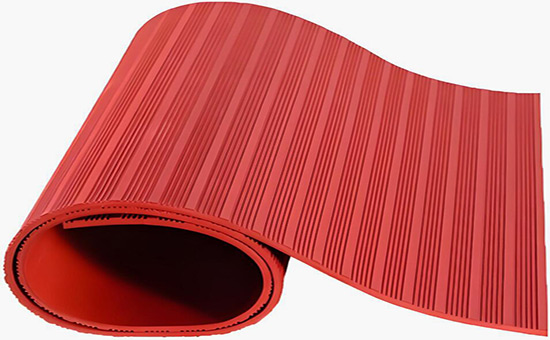
Silica combines with reclaimed rubber to form gel, hindering the movement of rubber molecules and chain segments, which increases the Mooney viscosity of the rubber. Therefore, when using silica in reclaimed rubber products, it is necessary to appropriately increase the amount of softener in the formulation.
3. Silica affects the vulcanization of reclaimed rubber
Silica has a small particle size, large surface area, and strong surface activity, providing excellent reinforcement for reclaimed rubber. Due to its large surface area, the —OH groups on the surface strongly adsorb accelerators, causing a delay in the vulcanization of E6LYY320 reclaimed rubber. It's necessary to appropriately increase the amount of accelerator. Adding small amounts of diethylene glycol, triethanolamine, polyvinyl alcohol, etc., to the reclaimed rubber formulation can adsorb the —OH groups on the silica surface, weakening their adsorption of accelerators. The surface of silica is acidic, and acidity itself also has a vulcanization-retarding effect.
4. Silica's impact on the properties of vulcanized reclaimed rubber
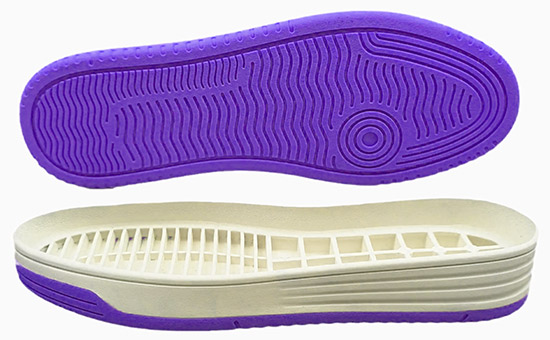
The reinforcement effect of silica on vulcanized reclaimed rubber depends on the particle size and the number and nature of —OH groups on its surface. The smaller the particles, the greater the reinforcement; for a given particle size, the more —OH groups on the surface, the better the reinforcement.
Using reclaimed rubber to produce rubber products, silica can provide high tensile strength and tear strength, low heat build-up, good heat resistance, and electrical insulation. Using silica properly in white or light-colored rubber products can effectively improve the processing performance of the rubber and the mechanical strength of the finished product. It is important to note that vulcanized reclaimed rubber reinforced with silica tends to have relatively high permanent deformation, so formulations for products that require low permanent deformation must strictly control the amount of silica used.
Exclusive original article [commercial authorization] reprint, excerpt and excerpt in any form are prohibited without written authorization. Focus on Hongyun rubber: learn the process formula and raw material technology of producing rubber products from recycled rubber to help you reduce costs and increase profits