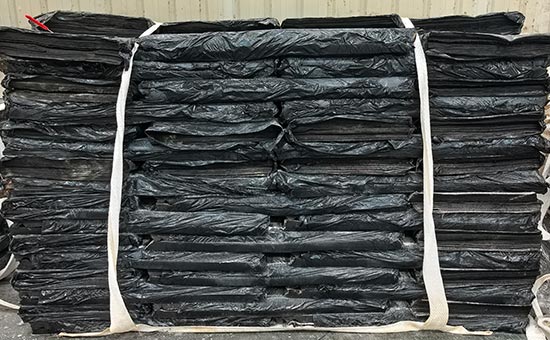
Tire reclaimed rubber is made from waste tire rubber powder and processed through desulfurization and refining processes. It has certain plasticity, elasticity, strength, and wear resistance, and can be processed and re-vulcanized. Tires are the largest area of rubber consumption in the rubber products industry. Can tire reclaimed rubber be reused in new tire production to reduce costs? What issues should be noted when using tire reclaimed rubber in rubber tires?
1. Can tire reclaimed rubber be used in the production of new tires?
Tire reclaimed rubber can be used in the production of new tires, but it cannot completely replace natural rubber and synthetic rubber. During processing, tire reclaimed rubber undergoes desulfurization, which changes the original molecular network structure, resulting in differences in elasticity, tensile strength, and wear resistance compared to the original rubber. Using all tire reclaimed rubber to produce new tires makes it difficult to meet the dynamic properties and tear resistance requirements of the compound.
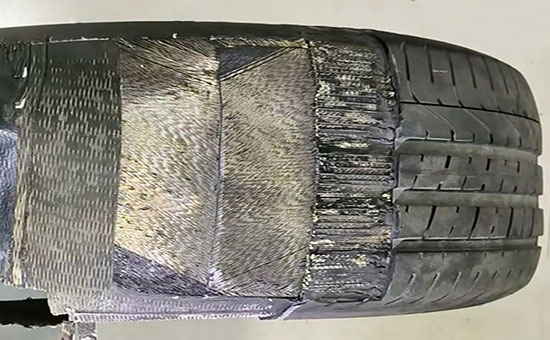
In actual production, tire reclaimed rubber can be used together with natural rubber, styrene-butadiene rubber, and other materials to make new tires, with the addition ratio determined according to the performance requirements of tire components.
2. Which tire components can be blended with tire reclaimed rubber, and how much is appropriate?
Different parts of rubber tires have different performance requirements for the compound. Whether to use tire reclaimed rubber and the proportion depends on the specific components.
Tire tread rubber comes into direct contact with the ground and must withstand repeated friction, impact, and deformation. It requires high wear resistance, tear resistance, and grip performance, with a dosage ratio of 5%-10%; Sidewall rubber needs to have good flexing performance, E6LYY729 aging resistance, and crack propagation resistance. The ratio of tire reclaimed rubber should be determined based on dynamic fatigue performance, at a dosage ratio of 5%-30%; Tire body/cord rubber serves to cushion vibration impact, requires strength but is looser than the tread, and requires a dosage ratio of 10%-50%; Bead rubber and pad rubber do not have high performance requirements, and can even be entirely made with tire reclaimed rubber.
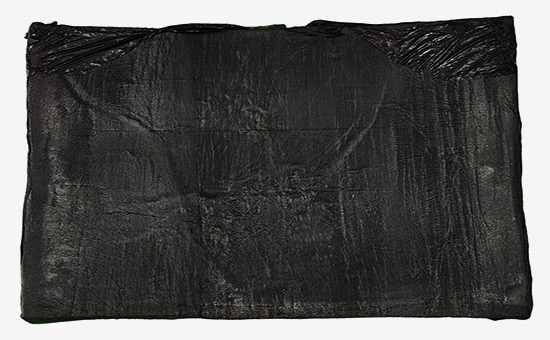
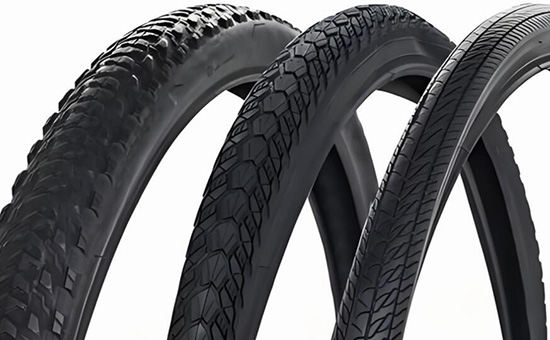
Compared with car tires, non-critical components such as bicycle tires, electric vehicle tires, motorcycle tires, and some load and engineering tires can appropriately increase the proportion of tire reclaimed rubber to reduce the cost of compounds while ensuring product performance.
3. Key points for formula design for rubber tires mixed with reclaimed rubber for tires
When reclaimed rubber is added to different parts of rubber tires, as the amount of reclaimed rubber increases, the elasticity, tensile strength, and dynamic properties of the compound may change, requiring corresponding adjustments to the type and amount of carbon black, softeners, and vulcanization system: Generally, a sulfur-accelerator system is used, and the amount of additives in the vulcanizing system can be appropriately increased; For reinforcement systems, carbon black such as N330 and N550 can be chosen based on hardness and wear resistance requirements; When determining the amount of softener used, it is necessary to balance processing fluidity and compound strength to avoid excessive softening affecting tire performance.
4. Key points of the mixing and vulcanization process for rubber tires using tire reclaimed rubber
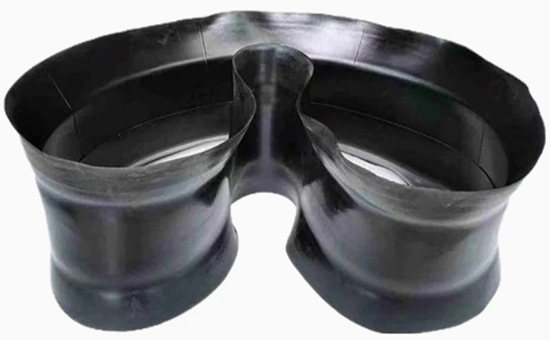
When producing rubber tires using reclaimed tire rubber together with natural rubber, styrene-butadiene rubber, and other virgin rubbers, it is necessary to control the discharge temperature, mixing time, and feeding sequence during mixing to promote uniform dispersion of tire reclaimed rubber and virgin rubber; The amount of additives in the vulcanization system should be determined based on the vulcanization characteristics of the compound to avoid undersulfur, over-sulfur, and mismatched vulcanization rates among different compounds; It is recommended to determine the formula through small-scale testing, then optimize process parameters according to the processing characteristics of mesh, open, rolling, or extrusion equipment.
5. Quality inspection and environmental standards for reclaimed rubber used in rubber tires
When reducing costs by blending reclaimed rubber into rubber tires, tire manufacturers need to test the Mooney viscosity, scorch time, and vulcanization characteristics of the compound, and test hardness, tensile strength, elongation at break, wear resistance, and flexural fatigue according to tire component requirements. When choosing tire reclaimed rubber for rubber tires with environmental requirements, attention should be paid to heavy metals, polycyclic aromatic hydrocarbons, and other restricted substances in the compound. Applicable environmental regulations and limit requirements should be verified according to the target market and product application. Common environmental regulations include RoHS and REACH certification.
Tire reclaimed rubber raw materials are widely available and have low product prices. Reasonable use of tire reclaimed rubber in rubber tire production can effectively reduce raw material costs and production energy consumption while ensuring product quality.
Exclusive original article [commercial authorization] reprint, excerpt and excerpt in any form are prohibited without written authorization. Focus on Hongyun rubber: learn the process formula and raw material technology of producing rubber products from recycled rubber to help you reduce costs and increase profits