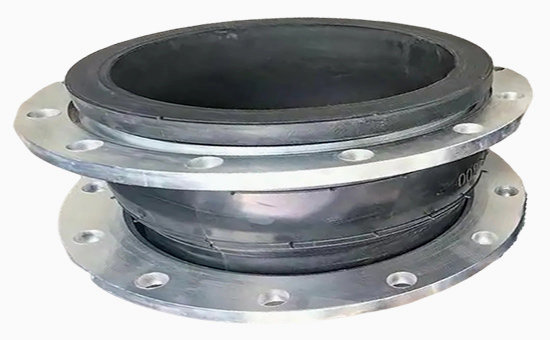
Tire reclaimed rubber features high strength, good elasticity, wear resistance, and flex resistance, good compatibility with natural rubber, low price, and minimal price fluctuations. Flexable rubber joints are mainly used for flexible connections of metal pipelines for various conveying purposes, while natural rubber is an ideal raw material for producing ordinary rubber fittings. However, the high and highly volatile prices of natural rubber have led to sharp cost fluctuations, profit pressure, and significant uncertainty in supply chain and business decisions. Can tire reclaimed rubber be blended into the production of ordinary flexible rubber joints, and what are its advantages? What issues should be noted?
1. Advantages of ordinary flexible rubber joints mixed with tire reclaimed rubber
(1) Tire reclaimed rubber reduces the production cost of ordinary flexible rubber joints
Tire reclaimed rubber is made from waste tires and processed through crushing, desulfurization, and refining processes. Its price is only 30%-40% of that of natural rubber, with a relatively narrow price fluctuation range. Thirty parts of tire reclaimed rubber can replace about ten parts of natural rubber. The moderate use of tire reclaimed rubber in the production of flexible rubber joints made mainly from natural rubber can effectively reduce raw material costs.
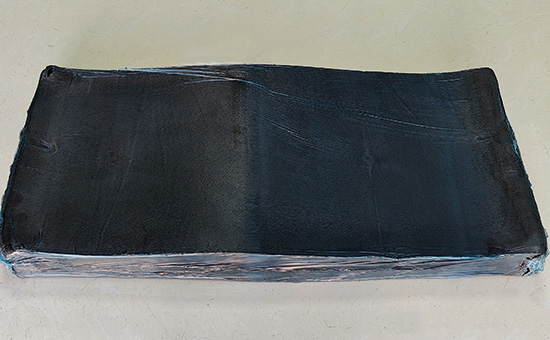
(2) Tire reclaimed rubber improves the performance of ordinary flexible rubber joint compounds
Tire reclaimed rubber is desulfurized and has good plasticity and flowability. When used together with natural rubber, it improves the uniformity of compound mixing, reduces the shrinkage and expansion E5LYY1217 of the compound, and minimizes deformation defects during the forming of semi-finished products. It is especially suitable for molding rubber joints with complex structures; Tire reclaimed rubber has low vulcanization and good aging resistance. Mixing tire reclaimed rubber into natural rubber flexible rubber joints can also improve aging resistance, flexing resistance, and wear resistance, reducing the tendency for vulcanization and reversion.
2. Tips for choosing reclaimed rubber for tires for ordinary flexible rubber joints
Different parts of ordinary flexible rubber joints have varying requirements for compound properties. When using tire reclaimed rubber to reduce costs, it is necessary to choose the appropriate type of tire reclaimed rubber based on actual needs.
(1) Inner layer of rubber material for flexible rubber joints: Contacts the medium directly, requiring good flexural resistance, aging resistance, wear resistance, and low air permeability. It has high requirements for impurity content, tensile strength, and elongation at break of the reclaimed rubber. It is recommended to choose ultrafine tire reclaimed rubber with high fineness, low ash content, and tensile strength ≥ 12MPa.
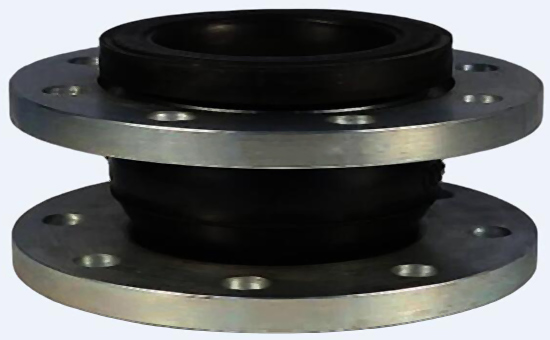
(2) Outer layer of flexible rubber joints: not only should the inner rubber have excellent flexion resistance, aging resistance, wear resistance, and low breathability, but also excellent weather aging and tear resistance. It is recommended to choose high-strength tire tread reclaimed rubber.
When choosing tire reclaimed rubber for ordinary flexible rubber joints, the quality stability of the tire reclaimed rubber is paramount. It is recommended to prioritize products produced by reputable manufacturers with batches of tire reclaimed rubber with minimal performance fluctuations, establish a comprehensive testing mechanism, and conduct random inspections of different batches, including key indicators such as tensile strength, elongation at break, Mooney viscosity, ash content, and moisture content.
3. Techniques for producing ordinary flexible rubber joints with tire reclaimed rubber
(1) Key points for formula design for ordinary flexible rubber joints produced from tire reclaimed rubber
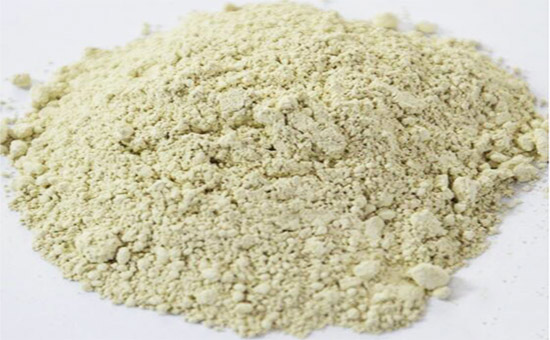
When ordinary flexible rubber joints use tire reclaimed rubber, strict control of the reclaimed rubber dosage ratio is required. Generally, the reclaimed rubber content in the inner layer is controlled among 10%-25%, the outer layer 30%-50%, and the cord rubber below 30%. Adjust the amount of additives in rubber joint formulations containing tire reclaimed rubber, for example, appropriately adjusting vulcanizer-accelerator dosages, and increasing the amounts of high-wear carbon black and general-purpose furnace black.
(2) Key process points for producing ordinary flexible rubber joints for tire reclaimed rubber
When producing ordinary flexible rubber joints using natural rubber and tire reclaimed rubber together, it is usually recommended to first thoroughly masticate the natural rubber, then add tire reclaimed rubber in proportion to soften the thin layer, finally add active agents such as zinc oxide and stearic acid and anti-aging agents. After evenly applying powder, add carbon black and softeners, and finally remove the rubber from the sheets. Before large-scale vulcanization, natural rubber/tire reclaimed rubber blends are made in small sample trials, with Mooney scorch time and rheometer data measured to determine the optimal vulcanization temperature.
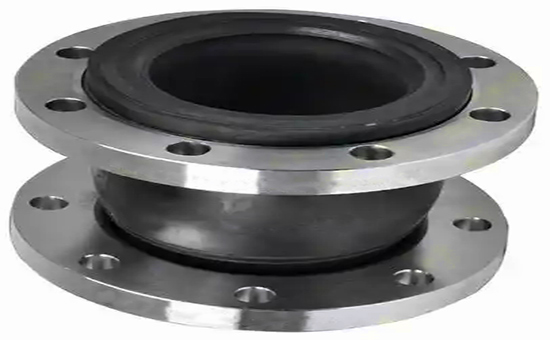
Reasonably incorporating tire reclaimed rubber into ordinary flexible rubber joints is an effective way for rubber product companies to reduce costs and increase efficiency. It not only leverages the excellent physical and mechanical properties of tire reclaimed rubber to improve the processing and usage performance of rubber materials, but also significantly reduces raw material costs and alleviates operational pressure caused by natural rubber price fluctuations. For rubber joints, choose tire reclaimed rubber with appropriate specifications based on working conditions, reasonably determine the reclaimed rubber blending ratio, and appropriately adjust rubber formulations and production processes. This enables the production of high-performance, low-cost, flexible rubber joints that meet industry standards, offer excellent vibration and noise reduction, and compensation performance.
Exclusive original article [commercial authorization] reprint, excerpt and excerpt in any form are prohibited without written authorization. Focus on Hongyun rubber: learn the process formula and raw material technology of producing rubber products from recycled rubber to help you reduce costs and increase profits