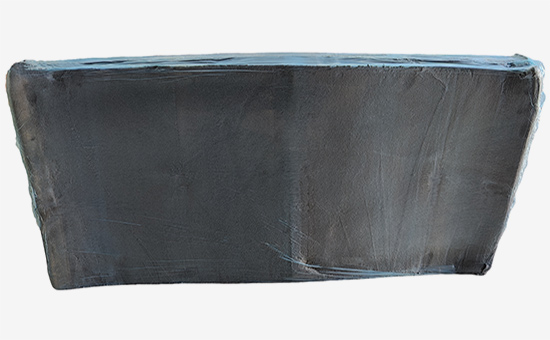
Recycled rubber made from waste tires has the basic properties of rubber, is inexpensive, and can be used alone or combined with natural or synthetic rubber to produce rubber products, effectively reducing raw material costs while ensuring product performance. Many rubber products made mainly from tire reclaimed rubber contain a small amount of butadiene rubber. Why is that? What issues should be noted when reclaimed tire products use butadiene rubber?
1. Reasons why tire reclaimed rubber products contain butadiene rubber
The main components of tire reclaimed rubber are natural rubber, synthetic rubber, and carbon black, and can be used to produce tire liner tape, ordinary rubber sheets, rubber shoe soles, and other products. Cis-butadiene rubber is polymerized from butadiene, and after vulcanization, it exhibits outstanding cold resistance, wear resistance, and elasticity. Adding an appropriate amount of polybutadiene rubber to tire reclaimed rubber products can further improve their elasticity, wear resistance, cold resistance, and flexural resistance, reduce heat generation, and enhance the overall performance indicators of tire reclaimed rubber products.
2. How much polybutadiene rubber should be used in tire reclaimed rubber products?
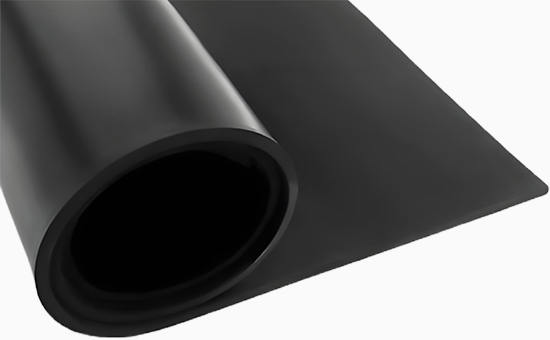
The price of polybutadiene rubber is much higher than tire reclaimed rubber. Excessive use of polybutadiene rubber increases the raw material cost of tire reclaimed rubber products, so it is necessary to reasonably control the proportion of polybutadiene rubber blending. For example: when producing tire gasket rubber with tire reclaimed rubber, E5LYY1211 can add 10%-20% polybutadiene rubber; ordinary rubber sheets can use 5%-15% polybutadiene rubber; and about 30% polybutadiene rubber can be added to the outsoles of lightweight rubber boots. The proportion of polybutadiene rubber in tire reclaimed rubber products needs to be adjusted according to product performance requirements, reclaimed rubber quality, and cost control targets, with the optimal ratio determined through pilot and pilot optimization.
3. Precautions for mixing polystyrene rubber into tire reclaimed rubber products
(1) Adjust the rubber mixing process for tire reclaimed rubber products
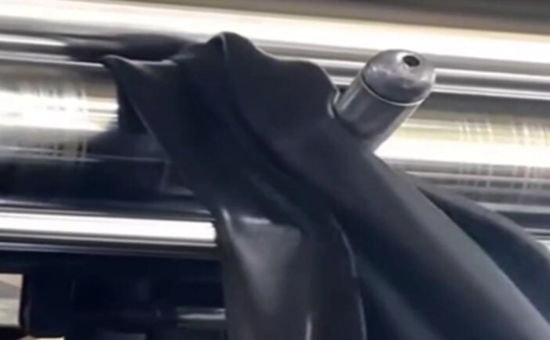
Polybutadiene rubber has poor processing performance. When appropriately blending polybutadiene rubber into tire reclaimed rubber formulations, adjustments to the mixing and vulcanization processes need to be appropriately adjusted. When using tire reclaimed rubber and polybutadiene rubber together, it is recommended to fully plasticize the rubber before mixing with the reclaimed rubber. During mixing, the roller temperature should be controlled at around 50°C. If the temperature is too high, the polybutadiene rubber may become too soft and slippery, while if too low, it will be difficult for the tire reclaimed rubber to wet and blend with the rubber.
(2) Adjust the vulcanization process for tire reclaimed rubber products
Polybutadiene rubber itself has poor processing properties, so when adding polybutadiene rubber to tire reclaimed rubber products, the vulcanization time needs to be appropriately extended.
(3) Adjust the vulcanization formula for tire reclaimed rubber products
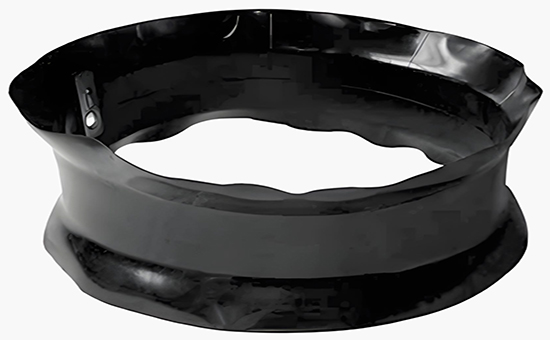
Polybutadiene rubber has relatively low solubility for sulfur. If the proportion of butadiene rubber in tire reclaimed rubber formulations is too high, or excessive sulfur usage can easily cause frost spraying during storage or use. It is recommended that the sulfur dosage be below the room temperature dissolution limit in the compound rubber, or that resins be added appropriately to improve compatibility. Polybutadiene rubber easily segregates with carbon black, which to some extent affects the homogeneity of the compound. Therefore, adjustments to the reinforcement system or softener dosage are needed to improve homogeneity.
When producing rubber products mainly from tire reclaimed rubber, the appropriate doping of polybutadiene rubber can further improve the overall performance indicators of tire reclaimed rubber products, producing more high-quality rubber products with good elasticity, high wear resistance, and strong competitiveness.
Exclusive original article [commercial authorization] reprint, excerpt and excerpt in any form are prohibited without written authorization. Focus on Hongyun rubber: learn the process formula and raw material technology of producing rubber products from recycled rubber to help you reduce costs and increase profits