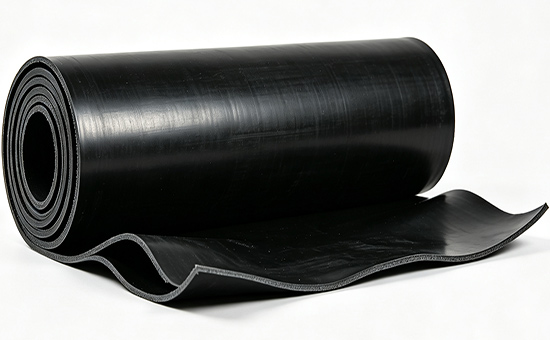
Butyl reclaimed rubber is processed from waste butyl inner tubes and retains the basic performance characteristics of butyl rubber, such as good airtightness, heat resistance, and corrosion resistance. It can be used together with chlorinated butyl rubber in appropriate proportions to produce rubber corrosion-resistant linings, effectively reducing raw material costs. In practical production, the physical properties of butyl reclaimed rubber and the blending ratio can affect the performance of the corrosion-resistant lining. So, what kind of butyl reclaimed rubber is suitable for rubber corrosion linings? What issues need to be considered when producing linings by mixing butyl reclaimed rubber with chlorinated butyl rubber?
1. Tips for choosing butyl reclaimed rubber for rubber corrosion linings
Rubber corrosion linings are protective layers formed by sticking rubber sheets to the surface of equipment, preventing metal corrosion and wear. They require high density and resistance to media. When choosing butyl reclaimed rubber, it’s recommended to select high-strength filtered butyl reclaimed rubber with high rubber content (ensuring good airtightness, heat resistance, corrosion resistance, ozone resistance, and aging resistance) and high fineness (fewer impurities to avoid compromising the lining’s density and adhesion). The Mooney viscosity should be around 50-65, balancing processability and strength after vulcanization.
2. Blending ratio of butyl reclaimed rubber in rubber corrosion linings
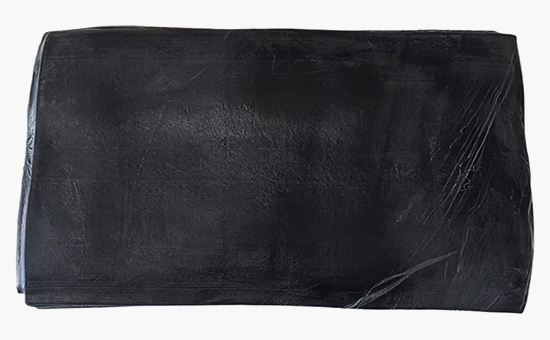
When producing rubber corrosion linings by mixing chlorinated butyl rubber with butyl reclaimed rubber, the blending ratio of reclaimed rubber should be determined based on the performance requirements of the lining and the physical properties of the reclaimed rubber (Mooney viscosity, ash content, volatile content, impurities, batch stability, etc.).
For linings used in highly corrosive/high-temperature environments, the blending ratio of butyl reclaimed rubber is 10%-20%; for moderate corrosion/ambient temperature situations, 20%-40%; and for weak corrosion/non-critical cases, it can be increased to 40%-60%. In practical production, chlorinated butyl rubber cures relatively quickly, so an oxide zinc vulcanization system is commonly used when producing linings with reclaimed rubber.
3. Reference formulation for rubber corrosion linings with butyl reclaimed rubber
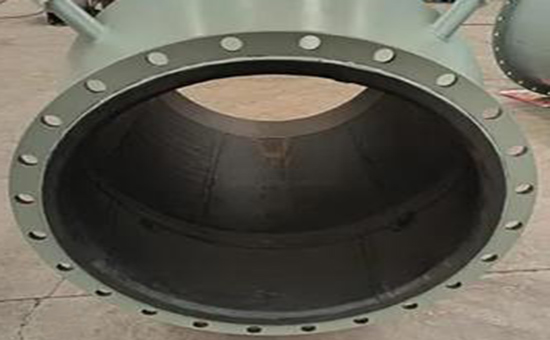
Chlorinated butyl rubber 80 parts, EPDM 5 parts, butyl reclaimed rubber 15 parts, zinc oxide 5 parts, stearic acid 0.5 parts, magnesium oxide 0.5 parts, carbon black N550 48 parts, naphthenic oil 8 parts, RX-80 resin 10 parts, accelerator TMTD 1 part; total 173 parts.
When producing rubber corrosion linings using a mix of chlorinated butyl rubber and reclaimed rubber, it’s not only necessary to choose the right reclaimed rubber and determine the formulation reasonably, but also to strictly control the mixing and calendering process: ensure that butyl reclaimed rubber, chlorinated butyl rubber, carbon black, and additives are evenly dispersed, control the temperature during mixing to avoid localized early vulcanization, and check for thickness, bubbles, impurities, and surface defects after calendering. For linings using a reclaimed rubber system, it’s recommended to first verify the formulation with a small trial and then adjust the production process according to the actual equipment and product thickness.
Exclusive original article [commercial authorization] reprint, excerpt and excerpt in any form are prohibited without written authorization. Focus on Hongyun rubber: learn the process formula and raw material technology of producing rubber products from recycled rubber to help you reduce costs and increase profits