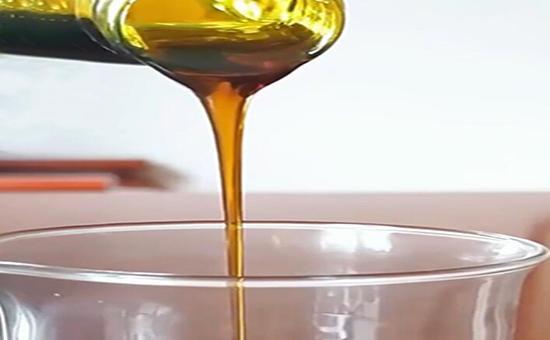
Latex reclaimed rubber has good tactile elasticity, high tensile strength, and high elongation at break. It can fully or partially replace natural rubber in producing various rubber products, effectively reducing raw material costs. When using latex reclaimed rubber to reduce production costs of rubber products, the softener directly affects the processing performance of the compound and the physical and mechanical indicators of the finished product. In actual production, how should the appropriate softener be chosen for different varieties of natural latex reclaimed rubber products?
1. The role of rubber softeners in latex reclaimed rubber products
Proper use of softeners in latex reclaimed rubber products can reduce the viscosity and vitrification temperature of the compound, improve the fluidity and plasticity of the compound, and enhance the performance of mixing, calendering, and extrusion processes; Promotes uniform dispersion of reclaimed rubber additives, improves the wetting and dispersion of carbon black, active fillers, and vulcanization systems in latex reclaimed rubber, reduces agglomeration, and enhances mixing uniformity and efficiency; Reduces the constant tensile stress and hardness of natural reclaimed rubber vulcanized rubber, improving elongation at break, resilience, and low-temperature flexing performance.
2. Principles to follow for softeners in latex reclaimed rubber products
When choosing a softener for latex reclaimed rubber products, it is necessary to follow the principle of "similar dissolution, similar solubility" and choose an appropriate E6LYY17 softener based on the process performance requirements of the reclaimed rubber product. Latex reclaimed rubber is made from waste natural rubber, waste latex, and their products, processed through crushing, desulfurization, drying, filtration, and other processes. The main component is non-polar natural rubber hydrocarbons. Therefore, it is recommended that latex reclaimed rubber products use petroleum-based aromatic oil, naphthenic oil, or pine tar-based softeners, and avoid strongly polar plasticizers such as phthalates, which can easily cause frosting or phase separation.
3. Tips for choosing softeners for different varieties of latex reclaimed rubber products
(1) Choose the softener according to the color of the latex reclaimed rubber product
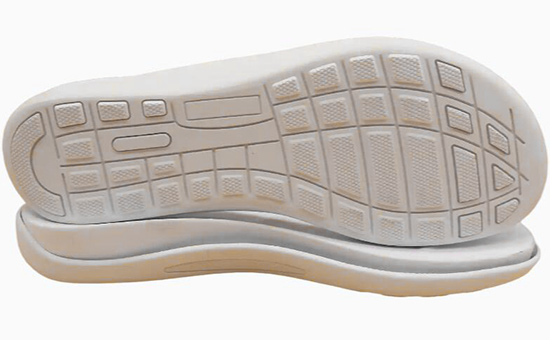
When using latex reclaimed rubber to produce light-colored and white rubber products, naphthenic oil and paraffin oil are commonly used as softeners. Naphthenic oil is highly compatible with latex reclaimed rubber and does not migrate easily, while paraffin oil is colorless and does not yellow. When using latex reclaimed rubber to produce dark and black rubber products, pine tar or aromatic oil is often used as softening agents, which offer better viscosity and strength; Adding a small amount of paraffin oil can balance heat generation and elasticity.
(2) Choose the softener according to the processing technology of latex reclaimed rubber products
For latex reclaimed rubber products that require extrusion or calendering, it is recommended to use paraffin oil as the main softening system to reduce the Mooney viscosity of the compound and minimize shrinkage. Avoid high-aromatic hydrocarbon oils or inferior machinery oils.
(3) Choose softeners based on the mechanical properties of latex reclaimed rubber products
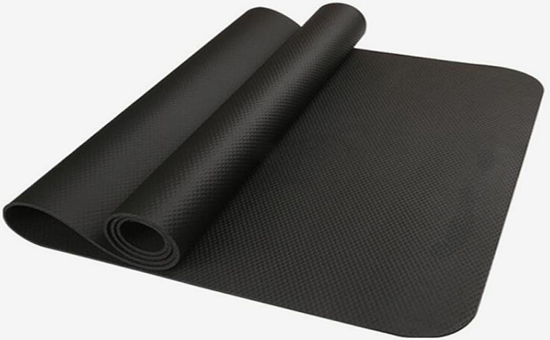
When using latex reclaimed rubber to produce high-elasticity, low-hardness rubber products, it is recommended to choose naphthene as the softening agent, and, if necessary, use a small amount of ester softener. Reasonably control the amount of softener used to avoid frosting; When using latex reclaimed rubber to produce high-strength rubber products, it is recommended to keep the amount of softener below 5 parts.
(4) Choose a softener according to the environmental requirements of latex reclaimed rubber products
When using latex reclaimed rubber to produce environmentally friendly rubber products, priority should be given to low-aromatic, high-flash-point rubber softening oils. Aromatic oils are low-cost and well-compatible, but contain polycyclic aromatic hydrocarbons (PAHs); For environmentally friendly latex reclaimed rubber products, it is recommended to choose pine tar, tall oil, or low-aromatic processing oil.
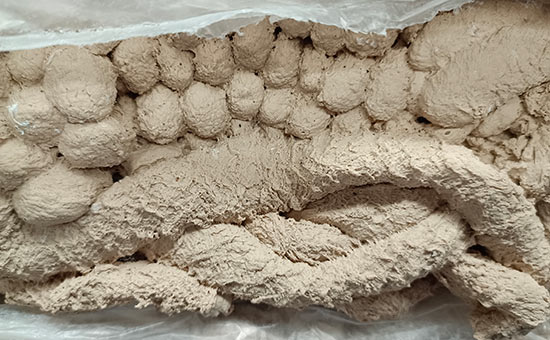
When choosing a softener for latex reclaimed rubber products, it is necessary not only to consider the softener's impact on the processing performance and physical and mechanical properties of the compound compound, but also to pay attention to the effect of the softener on the color of the reclaimed rubber product; In the future, I will continue to share with you the commonly used types and amounts of softeners used in different latex reclaimed rubber products.
Exclusive original article [commercial authorization] reprint, excerpt and excerpt in any form are prohibited without written authorization. Focus on Hongyun rubber: learn the process formula and raw material technology of producing rubber products from recycled rubber to help you reduce costs and increase profits