Sub-brand styrene-butadiene rubber is an unqualified product produced in the production process of styrene-butadiene rubber that does not meet the relevant quality standards, retains the basic properties of styrene-butadiene rubber, and the price is much lower than that of genuine styrene-butadiene rubber, which can replace some genuine styrene-butadiene butadiene rubber products and reduce raw material costs. When using sub-grade styrene-butadiene rubber alone or in combination with natural rubber, genuine styrene-butadiene rubber, butadiene rubber, etc., the selection of compound agents in the vulcanization system is crucial. Secondary styrene-butadiene rubber belongs to diolefin rubber, sulfur is the most commonly used vulcanizing agent, and the use of accelerators can shorten the vulcanization time, reduce the vulcanization temperature, and improve the vulcanization effect.
1. Selection of secondary brand styrene-butadiene rubber ordinary sulfur vulcanization system compound
(1) Sulfur dosage and vulcanized glue change law
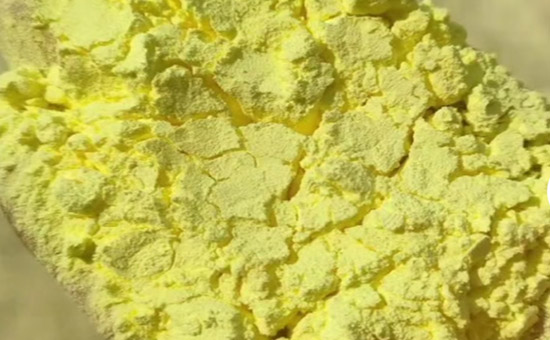
Sulfur is the most commonly used vulcanizing agent for sub-brand styrene-butadiene rubber products, and the dosage is generally controlled at 1-2.5 parts. With the increase of sulfur dosage, the fixed tensile strength, hardness and tensile strength of the sub-brand styrene butadiene vulcanized rubber increase, and the tear elongation, permanent deformation, heat generation, etc. decrease, and the heat aging resistance decreases with the increase of sulfur dosage. In the formulation of second-grade styrene-butadiene rubber products, excessive sulfur use will also accelerate the cracking of vulcanized rubber; If necessary, sulfur can be used to prepare rubber products with good heat resistance and aging properties.
(2) Selection of secondary brand styrene-butadiene rubber ordinary sulfur vulcanization system accelerator
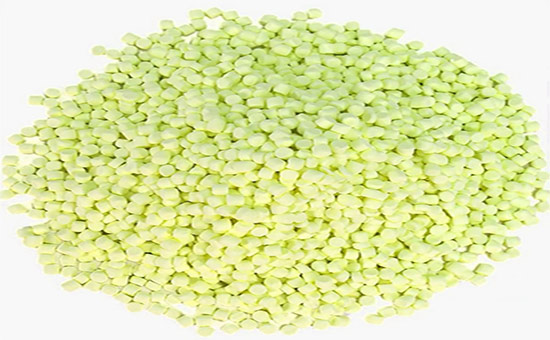
When sulfur vulcanization is used in secondary styrene-butadiene rubber, the method of using the sub-accelerator and the main accelerator is mostly used to assist the activity of the main accelerator and speed up the vulcanization speed. Thiazole accelerators are commonly used main accelerators, D, DT in guanidine, and TS, TT, TET in the autumn ram class are the most common secondary accelerators. The sulfation rate can be further improved by using dithiocarbamate accelerators instead of chiulam accelerators.
2. Selection of compounds for sulfur-free and low-sulfur vulcanization systems of second-grade styrene-butadiene rubber
The secondary brand styrene-butadiene rubber is vulcanized with sulfur, and the performance of vulcanized rubber is poor such as heat resistance aging and high-temperature compression set deform, so the amount of sulfur can be appropriately reduced, and the amount of accelerator or the use of overspeed accelerator can be used to speed up the vulcanization speed E5LYY919; or use sulfur to give body vulcanization. Sulfur donors are organic compounds containing polysulfur, such as tetramethyl chiulam disulfide (TT), tetraethyl chilam disulfide (TET), bispentamethyl disulfide (TRA), 2-(4-morpholine dithio)benzothiazole (MDB), etc. TT, TET, TRA belong to the autumn rum overspeed accelerator, which can be vulcanized without other accelerators, but it has the disadvantages of easy scorching and frosting
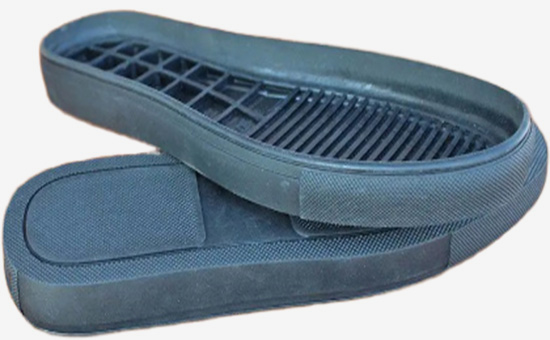
when the dosage is large. MDB has the effect of an after-effect vulcanization accelerator, and when used as a vulcanizing agent, it has better scorching resistance than autumn ram, and there is no frost spraying problem. To improve the heat resistance of sub-brand styrene-butadiene rubber products, magnesium oxide or cadmium oxide can also be used instead of zinc oxide, cadmium dithiocarbamate can be used as an accelerator, and acetyl tidinianiline can be used as an anti-aging agent.
3. Auxiliary accelerators and active agents for sub-brand styrene-butadiene rubber
(1) Co-accelerator
When the sub-brand styrene-butadiene rubber is vulcanized with sulfur-organic vulcanization accelerator, the co-accelerator can be used to improve the vulcanization speed and cross-linking efficiency, and the inorganic co-accelerator is represented by metal oxides, commonly used zinc oxide, the dosage is 3-5 parts; Organic co-accelerators are represented by fatty acids, which can be used as a dispersant with 0.5-1.5 parts of stearic acid.
(2) Active agent
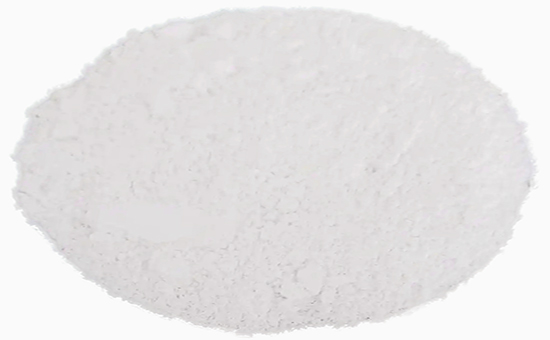
In the production of sub-brand styrene-butadiene rubber products, it is necessary to use reinforcing fillers to improve the physical and mechanical properties of vulcanized rubber; When using filler reinforcements with delayed vulcanization such as silica and terracotta, polyols and amino alcohol active agents such as diethylene glycol and triethanolamine need to be used to improve the vulcanization speed and tensile strength, and the dosage is 0.5-3 parts.
Secondary styrene-butadiene rubber 1502 has excellent heat resistance, weather resistance, chemical stability, aging resistance and tear resistance. The performance indicators are basically the same as genuine styrene-butadiene rubber, which can be used in conjunction with styrene-butadiene rubber to reduce costs, and can also replace 50% styrene-butadiene rubber or natural rubber 1:1. It has a wide range of applications in asphalt modification, plastic modification, and rubber products, such as rubber belts, rubber tubes, wire and cable skins, tire inner and outer tubes, auto parts, rubber V-belts, rubber seals, rubber soles, rubber special-shaped miscellaneous parts, etc.
Exclusive original article [commercial authorization] reprint, excerpt and excerpt in any form are prohibited without written authorization. Focus on Hongyun rubber: learn the process formula and raw material technology of producing rubber products from recycled rubber to help you reduce costs and increase profits