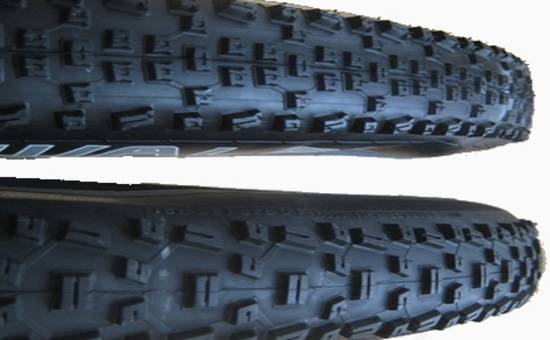
Customer Name: Hebei Bicycle Tire Manufacturing Co., Ltd.
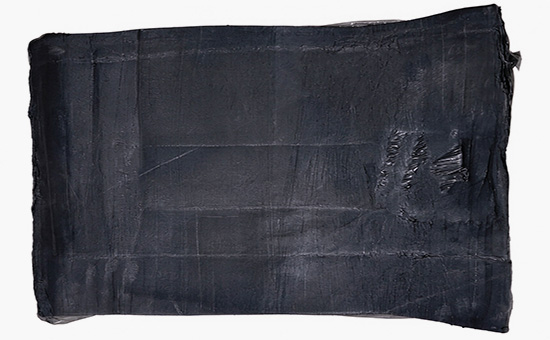
Choosen Product: #5 Tire Reclaimed Rubber
Usage Scenario: Used together with natural rubber, styrene-butadiene rubber, and polybutadiene rubber to produce bicycle tire tread rubber
Case Background: Hebei Bicycle Tire Manufacturing Co., Ltd. mainly produces various bicycle tires and related rubber products. With the increasing market competition, many bicycle tire manufacturers are concerned about how to reduce raw material costs while ensuring the tread rubber’s wear resistance, tensile strength, and service life. Tire reclaimed rubber has certain mechanical strength and wear resistance and is inexpensive, so the question arises whether it can replace part of the natural rubber and synthetic rubber in producing bicycle tire tread.
Demand Analysis: Bicycle tire treads come into direct contact with the ground and must withstand continuous friction, flexing, and road impacts during riding, which requires certain wear resistance, crack resistance, slip resistance, and puncture resistance in the rubber. Hongyun #5 Tire Reclaimed Rubber is processed from 40-mesh scrap tire powder, retaining some rubber hydrocarbons and reinforcing filler components. It is compatible with natural rubber and SBR and can replace part of the original rubber to produce bicycle treads, meeting basic performance requirements.
Testing Process: This customer focused on the goal of “reducing cost without lowering quality” by adjusting the proportion of #5 Tire Reclaimed Rubber in the formula to optimize the bicycle tread rubber. Adjustments were made gradually based on the Mooney viscosity (E6LYY723), vulcanization characteristics, and tread physical property test results. Considering that reclaimed rubber comes with some reinforcing filler and rubber hydrocarbons, the customer appropriately adjusted the reinforcement system and softener amount while ensuring tensile strength, elongation at break, and wear resistance. They also closely monitored vulcanization speed and fine-tuned the amount of accelerators to avoid too short scorch time or insufficient vulcanization.
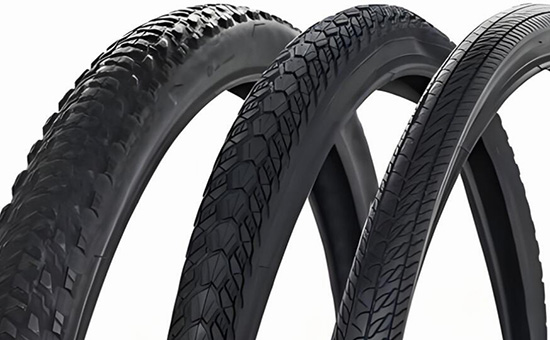
Testing Results: The compound with #5 Tire Reclaimed Rubber dispersed well in the internal mixer. Extrusion, calendering, molding, and vulcanization processes were stable. The semi-finished tread surface was smooth, and dimensional stability was good. The finished tread rubber met national and customer standards for tensile strength and elongation at break, showed improved wear resistance compared to the original formula, and maintained stable flexing and crack resistance, meeting the requirements for normal road use.
Case Summary: For bicycle tire manufacturers, proper use of tire reclaimed rubber can reduce the amount of natural rubber, SBR, and polybutadiene rubber. The compound has relatively high Mooney viscosity and fast vulcanization speed, but extrusion, calendering, molding, and vulcanization performance showed no significant differences. By adjusting the proportion according to the quality of the reclaimed rubber and focusing on mixing dispersion, vulcanization speed, and wear, flex, and tensile properties of the tread, a reasonable balance among material cost reduction and product quality can be achieved.
Exclusive original article [commercial authorization] reprint, excerpt and excerpt in any form are prohibited without written authorization. Focus on Hongyun rubber: learn the process formula and raw material technology of producing rubber products from recycled rubber to help you reduce costs and increase profits