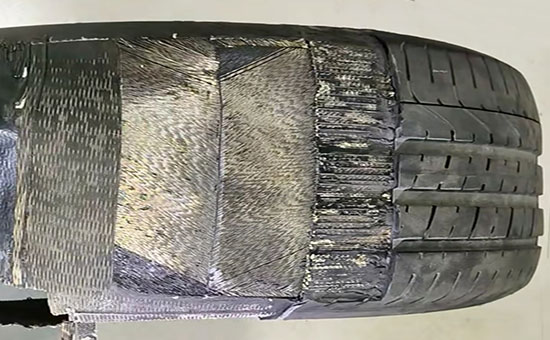
Tire reclaimed rubber derived from waste tire desulfurization and recycled has the basic properties of rubber, is inexpensive, and can be re-added to tire compound preparation to reduce costs. Nylon cord rubber for automotive radial tires requires the compound to have good bonding strength, dynamic flexural resistance, low heat generation, and mechanical strength. It is generally made mainly from natural rubber and styrene-butadiene rubber. Can tire reclaimed rubber be blended? How to design a nylon cord layer adhesive formula for automotive radial tires containing tire reclaimed rubber?
1. Formula design for nylon cord layer layer adhesive for automotive radial tires with tire reclaimed rubber
(1) Tips for selecting raw materials for automotive radial tires, nylon cord cloth layers, and rubber
When adding tire reclaimed rubber to nylon cord layer rubber for radial tires, the proportion of recycled rubber is generally controlled among 10%-45%; Generally, natural rubber is the main material, combined with styrene-butadiene rubber and cis-butadiene rubber. Natural rubber provides excellent mechanical strength, adhesion, and dynamic properties. Styrene-butadiene rubber can improve the wear resistance of the cord layer rubber, cis-butadiene rubber reduces heat generation, and reclaimed rubber improves the plasticity, flowability, and dimensional stability of the finished product.
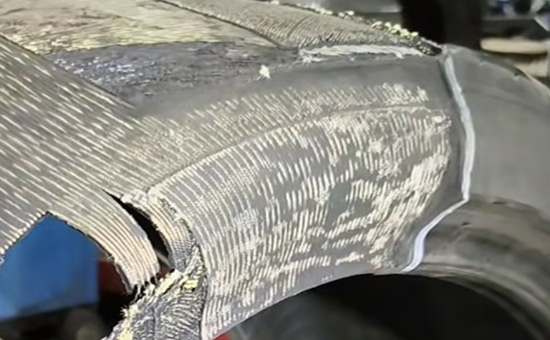
(2) Key design points for the vulcanization system of tire reclaimed rubber mixed with nylon cord layer rubber for automotive radial tires
When producing nylon cord layer rubber formulations for automotive radial tires by combining natural rubber, styrene-butadiene rubber, and tire reclaimed rubber, semi-effective or effective vulcanization systems are often used, with 1.2-1.8 parts sulfur. Accelerators CZ/DM or CZ/NS are used together. The vulcanizing rubber generates less dynamic heat, and accelerators DM or D can adjust the scorch safety period and vulcanization rate. The amount of sulfur should be appropriately adjusted according to the rubber content and residual sulfur content of the tire reclaimed rubber to avoid undersulfur or excessive sulfur.
(3) Key points for the design of the tire reinforcement system for reinforcement systems with nylon cord layer layer rubber for automotive radial tires
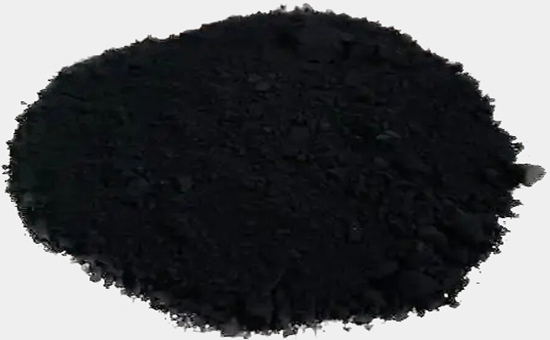
Nylon ply layer rubber for automotive radial tires is mixed with tire reclaimed rubber, mostly reinforced with carbon black N330 and N550, which have better physical and mechanical properties of vulcanized rubber. If necessary, add 5-10 parts of silica with silane coupling agent.
(4) Other design points for nylon ply-layer rubber mixed with tire reclaimed rubber for automotive radial tires
When adding tire reclaimed rubber to nylon cord tire rubber for radial tires, the softening system usually uses aromatic oil or pine tar, which uses 20%-50% less than pure new rubber E6LYY19 formula, ensuring calendering adhesive absorption and cord penetration. Excessive softener can reduce the bonding strength of the compound; The anti-aging system can combine antioxidant 4020 with RD, adding an appropriate amount of microcrystalline wax to form a surface protective layer, further enhancing the aging resistance of nylon cord adhesive for automotive radial tires.
2. Practical formula for nylon ply layer adhesive mixed with tire reclaimed rubber for automotive radial tires
(1) Reference formula for producing nylon cord layer rubber for automotive radial tires using a combination of natural rubber, styrene-butadiene rubber, and tire reclaimed rubber
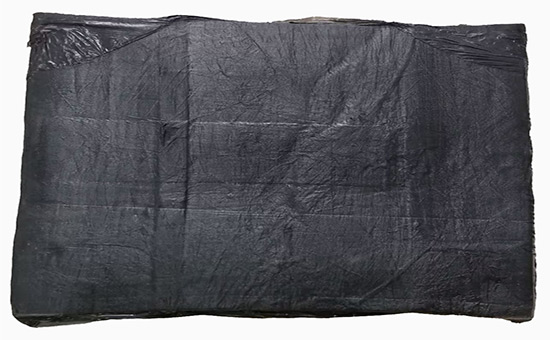
Natural rubber 30 parts, styrene-butadiene rubber 30 parts, tire reclaimed rubber 40 parts, zinc oxide 2.5 parts, stearic acid 1 part, antioxidant RD 1 part, carbon black N550 30 parts, aromatic oil 7 parts, accelerator D 0.15 parts, accelerator DM 0.55 parts, sulfur 1.8 parts; A total of 144 units.
(2) Reference formula for producing nylon cord layer rubber for automotive radial tires using styrene-butadiene rubber and tire reclaimed rubber together
Styrene-butadiene rubber 60 parts, tire reclaimed rubber 40 parts, zinc oxide 2.5 parts, stearic acid 1 part, antioxidant RD 1 part, carbon black N550 30 parts, aromatic oil 7 parts, accelerator D 0.15 parts, accelerator DM 0.85 parts, sulfur 1.9 parts; A total of 144.4 units.
(3) Reference formula for producing nylon cord layer rubber for automotive radial tires using natural rubber/polyisoprene rubber/tire reclaimed rubber together
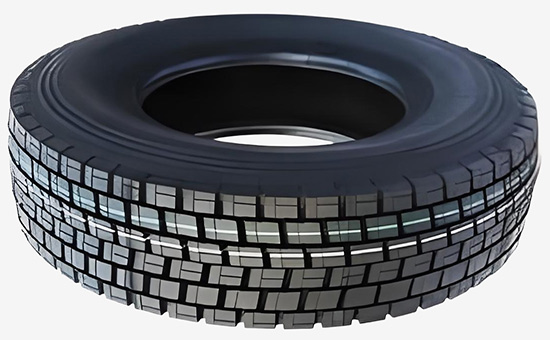
Natural rubber 35 parts, isoprene rubber 30 parts, tire reclaimed rubber 35 parts, zinc oxide 2.5 parts, stearic acid 1 part, antioxidant RD 0.5 parts, carbon black N330 25 parts, petroleum asphalt 8 parts, accelerator NS 1 part, accelerator TMTD 0.15 parts, sulfur 2.55 parts; A total of 140.7 units.
Reasonably blending tire reclaimed rubber into nylon cord layer rubber for automotive radial tires is a way to balance product performance and cost control. High-strength, environmentally friendly tire top ultra-fine reclaimed rubber uses 900–1200 waste tire tire top rubber powder above 80 mesh as the main raw material. It is produced through processes such as crushing magnetic separation, desulfurization filtration, and refining molding. It features high fineness, low specific gravity, high strength, good elasticity, and odorlessness. It can be used together with natural rubber and styrene-butadiene rubber to produce nylon cord rubber, effectively reducing raw material costs and saving on labor and electricity expenses.
Exclusive original article [commercial authorization] reprint, excerpt and excerpt in any form are prohibited without written authorization. Focus on Hongyun rubber: learn the process formula and raw material technology of producing rubber products from recycled rubber to help you reduce costs and increase profits